How to Recognize and Prevent Road Rage Before It Takes Over
TL;DR:
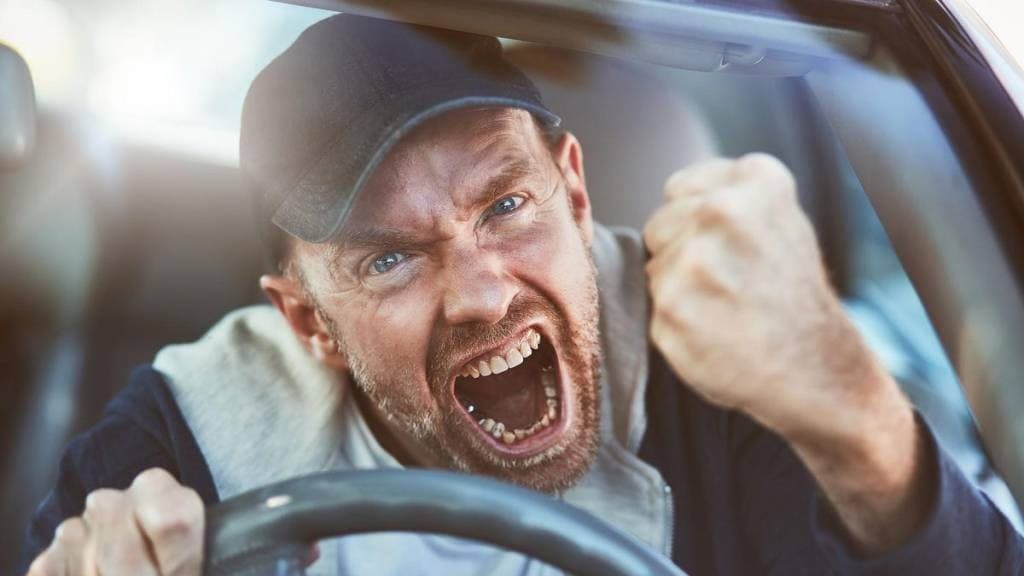
Road rage can escalate into dangerous situations.
Don’t take other drivers’ actions personally.
Learn techniques to calm down before and during driving.
Avoid retaliation—stay focused on safety.
Get support through professional training like at Get Drivers Ed.
When you're behind the wheel, it’s easy to feel like every bad move from another driver is a personal attack. But taking things personally on the road can lead to more than frustration—it can turn into full-blown road rage. At Get Drivers Ed, we know how common this is and how important it is to manage emotions while driving. Let’s explore how you can recognize the signs of road rage and stop it in its tracks before it puts you—or anyone else—in danger.
What Is Road Rage and Why Does It Happen?
Recognizing the Signs
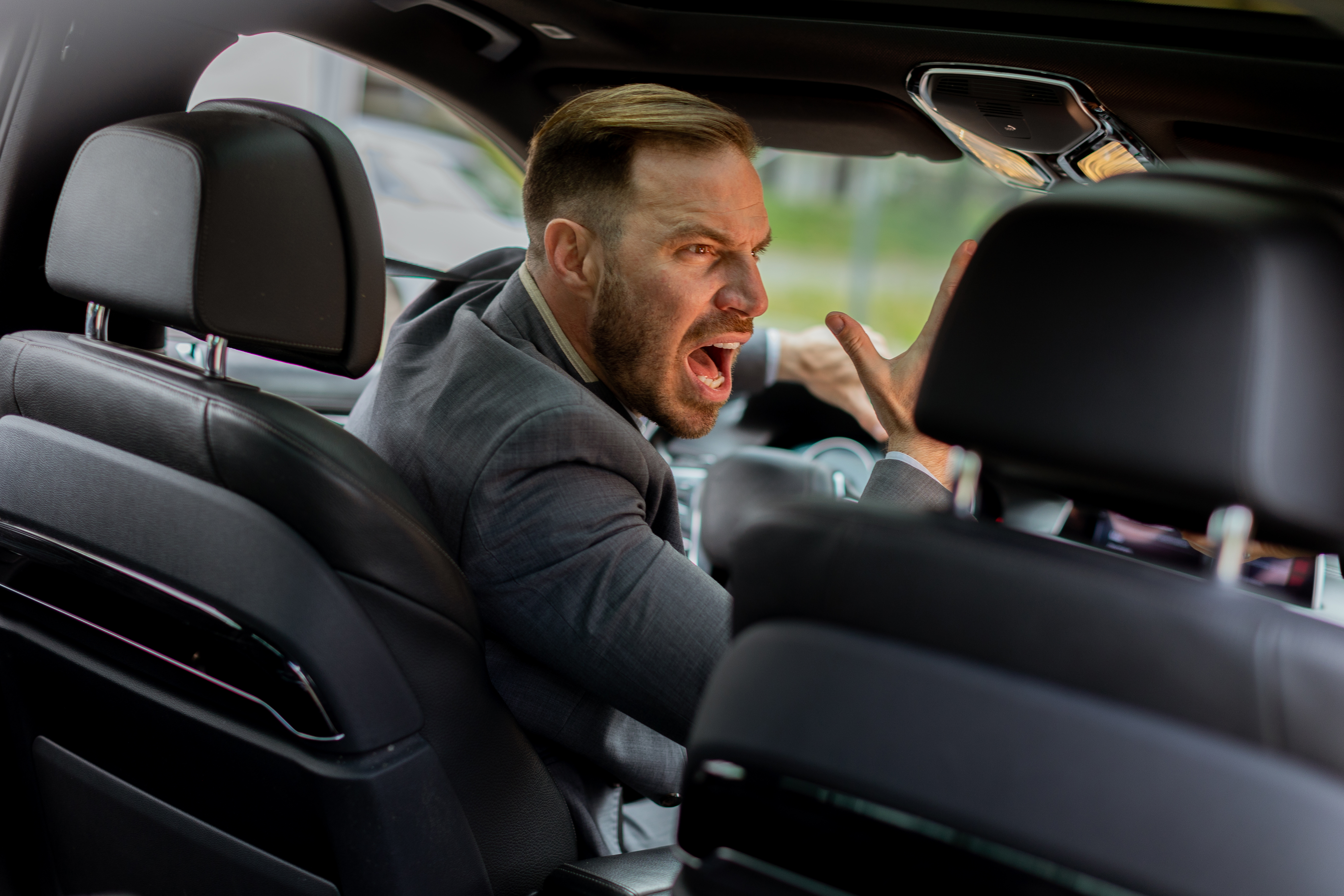
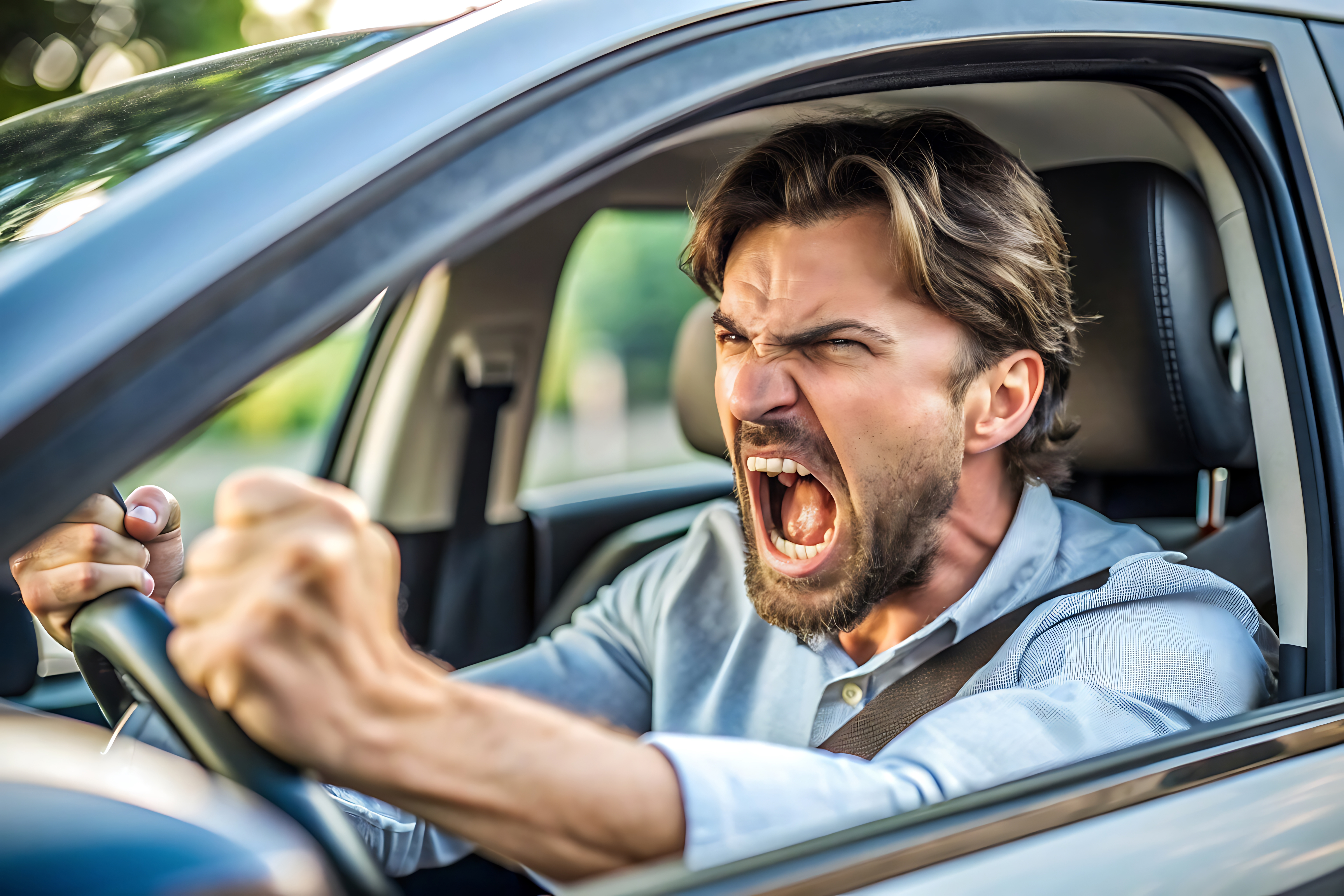
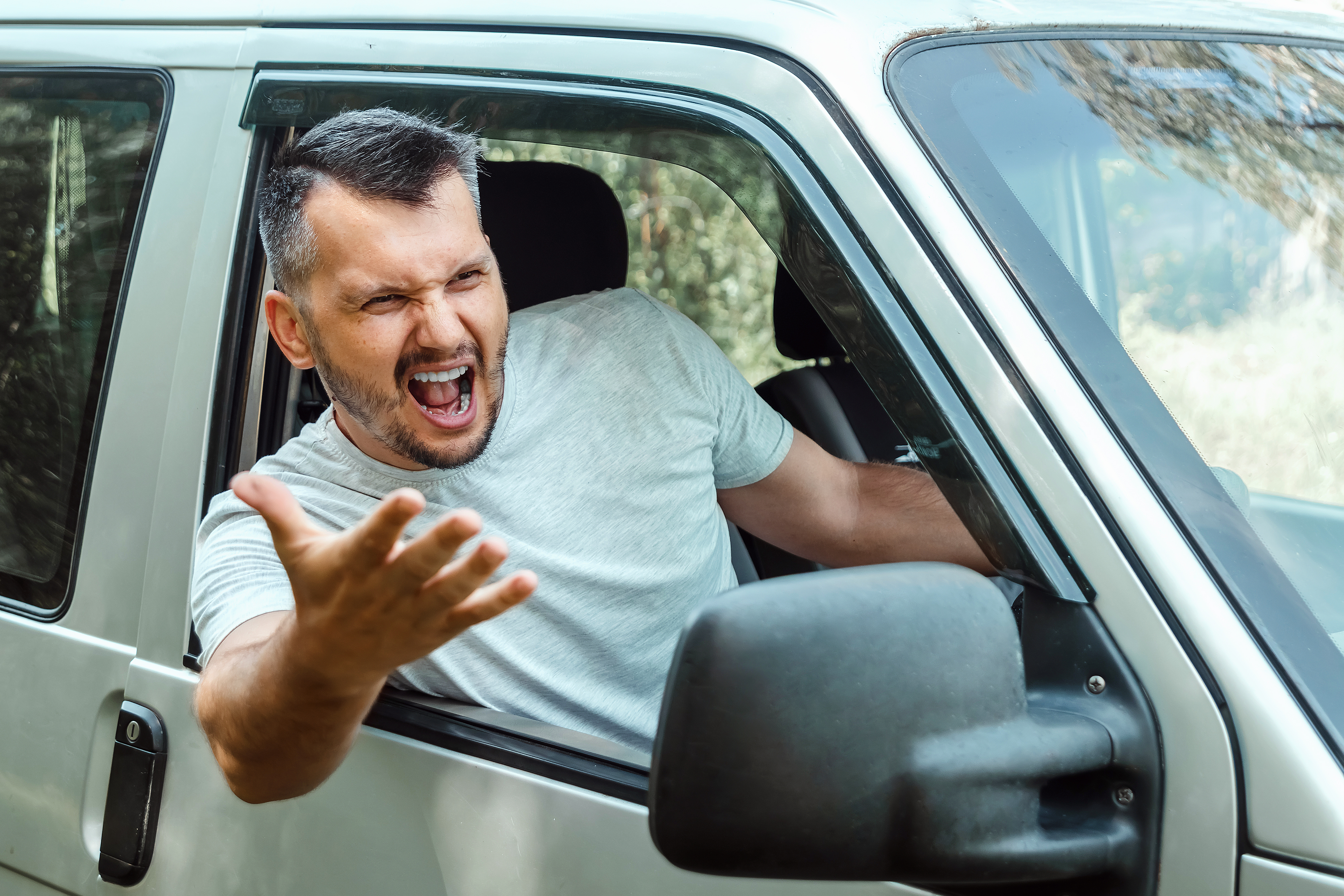
You might not think of yourself as someone with road rage, but the signs can creep in quietly:
Yelling at other drivers
Honking excessively
Making rude gestures
Tailgating or intentionally cutting someone off
Common Triggers
Road rage is often triggered by:
Feeling rushed or stressed
Perceived rudeness or mistakes by other drivers
Ongoing personal frustrations (carrying your bad day into the car)
Understanding what sets you off is the first step to managing it.
Why You Should Never Retaliate
The Real Risks
Engaging with another aggressive driver may feel satisfying in the moment, but it’s dangerous. Road rage incidents have led to serious injuries and even deaths, and criminal charges can apply—even if you didn’t start it. The safest response? Do not engage.
Stay Focused on Safety
If another driver is raging at you:
Avoid eye contact
Don’t respond or react
Keep your distance
Stay calm and alert
This not only keeps you physically safe but also helps you stay emotionally in control. At Get Drivers Ed, we teach our students that staying calm is one of the most important defensive driving skills you can learn.
How to Prevent Road Rage in Yourself
Reset Before You Drive
Before you get on the road:
Play your favorite calming music
Take a few deep breaths
Mentally leave behind work or personal stress
Close your eyes (while parked!) for a moment of peace
These small steps can help put you in the right mindset before driving.
Create a Relaxing Driving Environment
Sometimes all it takes is a more peaceful driving space. Try:
Listening to calming playlists or audiobooks
Keeping your car clean and comfortable
Driving during less stressful times, when possible
If you feel the tension building, pull over for a few minutes. Your mental state is just as important as your physical driving skills.
When a Bad Day Follows You Into the Car
Managing Emotions on Tough Days
We all have rough days. Maybe something at work or home has left you on edge. While it’s tempting to carry that frustration with you into the car, it’s not worth the risk. Before heading out:
Sit in the driver’s seat and breathe for 30 seconds
Remind yourself that your safety—and that of others—is the priority
Say a positive affirmation like, “I am calm and in control.”
If you’re still feeling upset, delay your drive if possible. A short pause can save lives.
The Role of Driver Education in Curbing Road Rage
Learning Safe, Defensive Driving
One of the best ways to stop road rage before it starts is by building confidence and emotional control behind the wheel. Taking a drivers ed course through Get Drivers Ed can help you or your teen:
Develop safe, respectful driving habits
Understand traffic rules better
Learn how to stay calm under pressure
Whether you’re a new driver or just need a refresher, Get Drivers Ed has state-approved online courses designed to help drivers become more responsible, emotionally aware, and defensive on the road.
The Bigger Picture: Driving Is a Responsibility
Driving is one of the most dangerous things we do daily. Managing your emotions isn't just about avoiding conflict—it's about protecting your life and the lives of others. That means:
Being patient with mistakes (yours and others’)
Allowing space for others’ driving styles
Choosing safety over pride every time
Let’s be real: yelling at a stranger or honking for five seconds won’t make traffic go faster—but it can escalate a situation you’ll later regret.
Final Thoughts
Road rage doesn’t just affect your mood—it affects your safety, your reputation, and your future. By choosing to drive mindfully and refusing to engage in aggressive behaviors, you give yourself the best chance to arrive safely and with peace of mind.
Want to improve your driving habits and reduce stress behind the wheel? Sign up for an online course from Get Drivers Ed today and learn how to become a safer, calmer, and more confident driver.
Comments
Share your thoughts by leaving a comment below.