Recognize Signs of Aggressive Driving - Get Drivers Ed
TL;DR
Aggressive driving is a major safety risk caused by frustration, impatience, or anger.
Common signs include speeding, tailgating, weaving, ignoring signals, and road rage.
Aggressive driving leads to accidents, stress, and serious legal consequences.
Defensive driving and stress management are key to preventing it.
Get Drivers Ed teaches students how to recognize, avoid, and respond safely.
Introduction: Why Aggressive Driving Matters
Driving should be calm and controlled—but aggressive driving is an all-too-common problem. It puts not only the driver at risk but also every other road user.
At Get Drivers Ed, we emphasize the importance of recognizing aggressive behaviors early and adopting safe driving practices. In this blog, we’ll explore the signs of aggressive driving, the dangers it poses, and how our program helps drivers stay responsible and safe.
Understanding Aggressive Driving
According to the National Highway Traffic Safety Administration (NHTSA), aggressive driving includes behaviors that endanger people or property. These actions often come from impatience, frustration, or anger—and can quickly escalate.
Recognizing these behaviors is the first step in avoiding accidents and staying safe.
Common Signs of Aggressive Driving
1. Speeding
Excessive speeding is the most common aggressive behavior. It reduces reaction time, increases crash severity, and raises fatality risks.

2. Tailgating
Following too closely leaves no room for error and often causes rear-end collisions.
3. Weaving Through Traffic
Frequent, erratic lane changes without signaling confuse other drivers and increase accident risks.

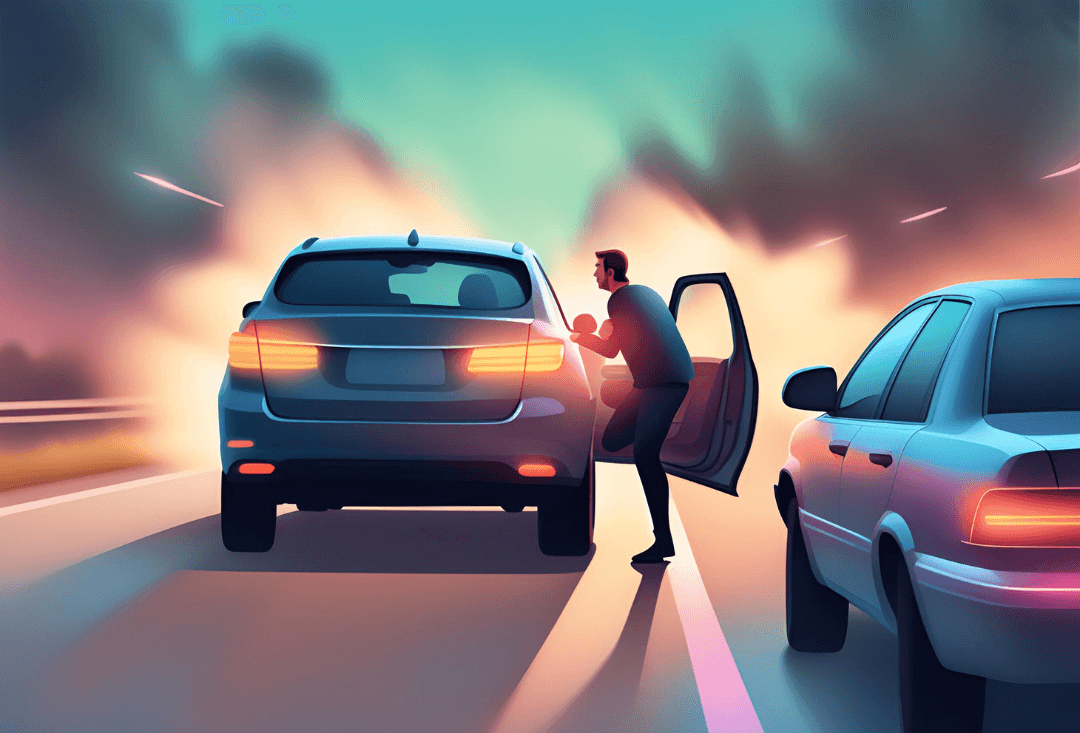
4. Road Rage
Escalated aggression, such as yelling, rude gestures, or attempts to intimidate, can lead to violent encounters.
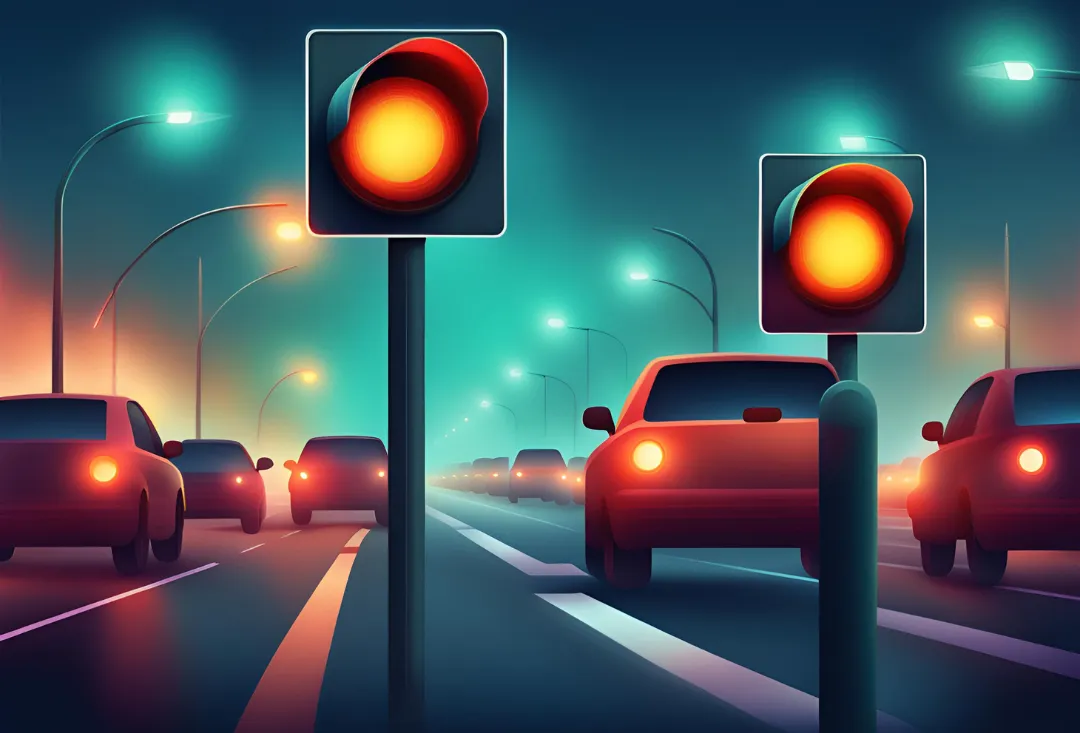
5. Ignoring Traffic Signals
Running red lights or failing to yield endangers everyone—especially at busy intersections.
For context, AAA Foundation research found that nearly 80% of drivers admitted to expressing aggression behind the wheel in the past year.
The Dangers of Aggressive Driving
Aggressive driving behaviors not only create immediate risks but also long-term consequences:
Increased Risk of Collisions: Speeding and weaving reduce reaction time and control.
Escalation of Road Rage: Small frustrations can spiral into dangerous altercations.
Legal Consequences: Tickets, fines, license suspension, or even jail time.
Stress and Anxiety: Aggressive driving raises tension for everyone on the road.
The Insurance Institute for Highway Safety (IIHS) notes that speeding alone contributes to nearly one-third of traffic deaths annually—showing just how dangerous aggression behind the wheel can be.
How Get Drivers Ed Helps Address Aggressive Driving
At Get Drivers Ed, our curriculum goes beyond the basics. We equip students with tools to manage stress, recognize risky behaviors, and drive defensively.
1. Awareness and Education
Through real-life examples, statistics, and interactive lessons, students see firsthand the dangers of aggressive driving.
2. Defensive Driving Techniques
Our defensive driving courses teach strategies like maintaining safe distances, anticipating hazards, and responding calmly to aggressive drivers.
3. Stress Management
We help drivers learn breathing techniques, relaxation strategies, and mental resets to avoid road rage.
4. Hands-On Practice
Our instructors guide students through simulations and practice sessions designed to reduce impulsive reactions and build focus.
5. Encouraging Responsibility
We stress the serious consequences of reckless behavior and encourage students to pledge against aggressive driving.
Research from Verywell Mind confirms that stress reduction techniques can significantly improve driving behavior—something we reinforce in every lesson.
Conclusion: Drive Safely with Get Drivers Ed
Aggressive driving threatens everyone’s safety—but it’s preventable. By recognizing the warning signs and practicing defensive driving, we can all contribute to safer roads.
At Get Drivers Ed, our mission is to create confident, responsible drivers.
👉 Enroll today and take the first step toward safer, calmer driving habits. Together, we can make every road a safer place.
Comments
Share your thoughts by leaving a comment below.