Driving in Extreme Weather in Dallas, Texas: Tips for Staying Safe
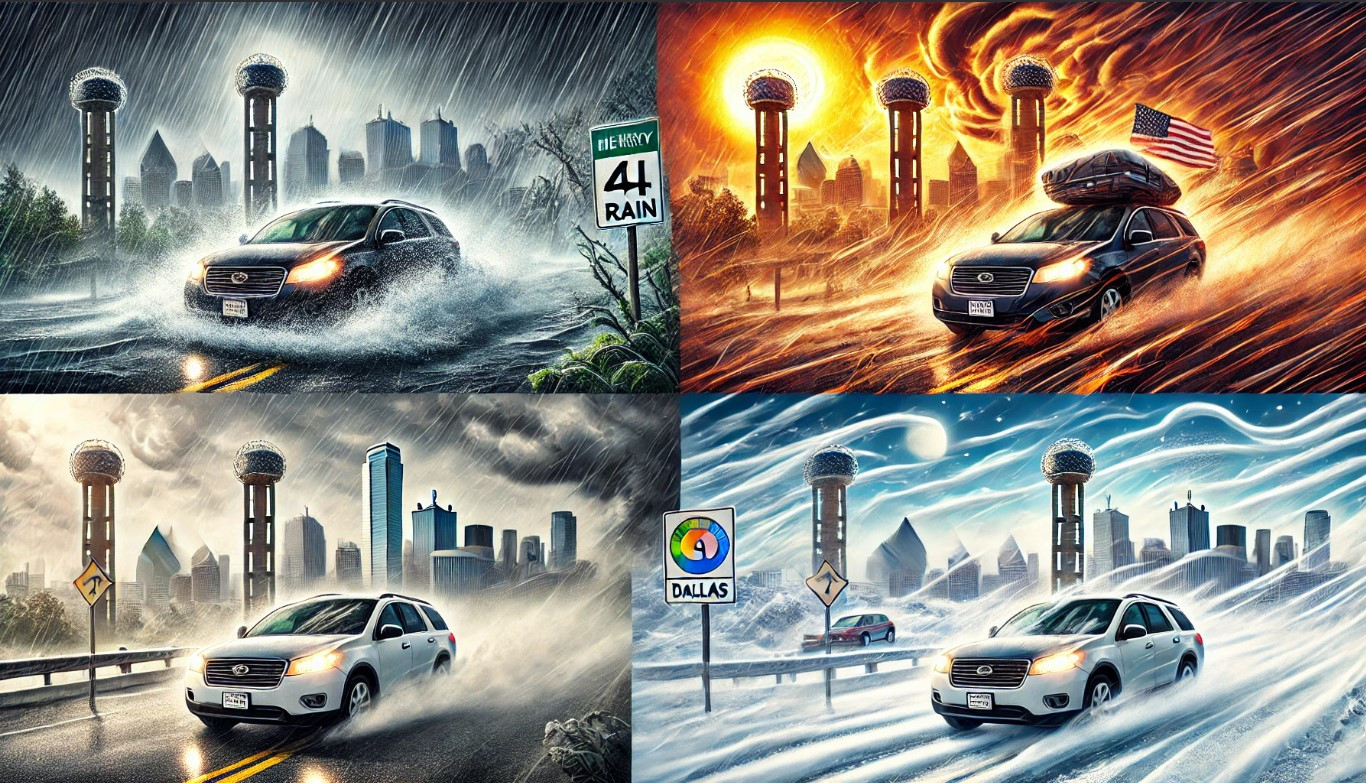
Dallas, Texas, is known for its diverse and unpredictable weather, ranging from blazing summer heat to sudden thunderstorms, icy roads, and even the occasional tornado. Driving in these extreme weather conditions can be challenging and risky if you’re not prepared. Knowing how to handle your vehicle in different weather situations is essential for staying safe on the road.
At Get Drivers Ed, we focus on equipping drivers with the skills and knowledge they need to navigate any weather condition confidently. This guide will provide practical tips for driving safely in Dallas’s extreme weather.
1. Understanding Extreme Weather Conditions in Dallas

Dallas experiences a variety of extreme weather conditions throughout the year. Being aware of what to expect can help you prepare and stay calm behind the wheel.
Common Extreme Weather in Dallas
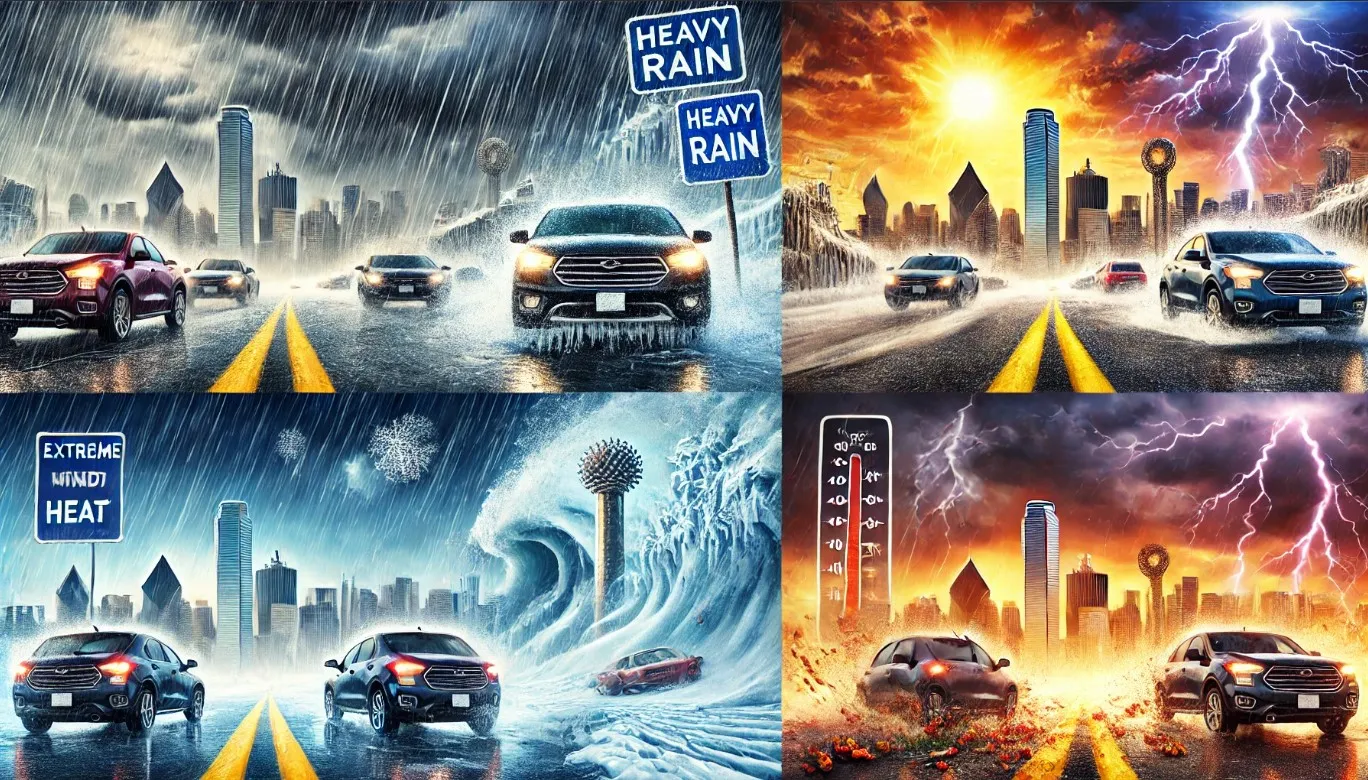
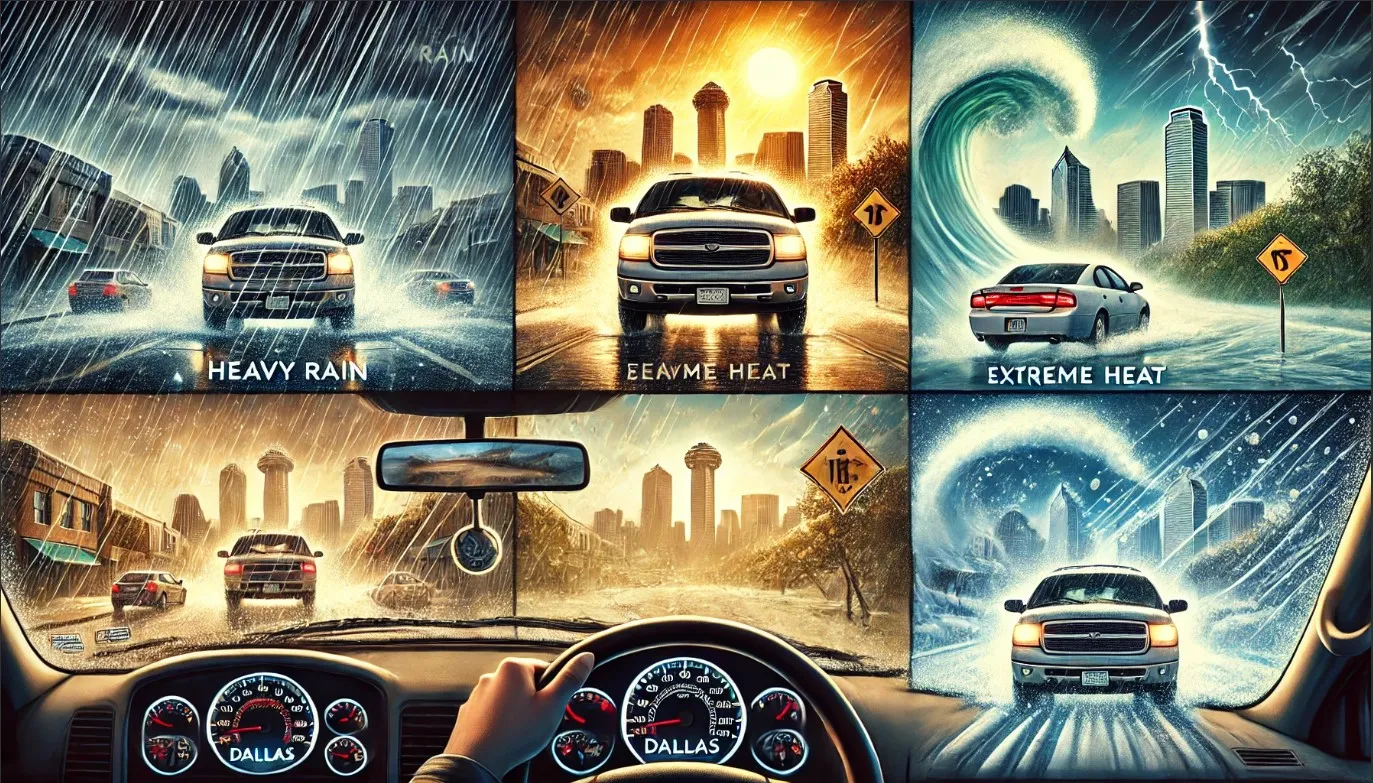
Heavy Rain and Thunderstorms: Sudden downpours can lead to reduced visibility and flooded roads.
Ice and Snow: While rare, winter storms in Dallas can make roads slippery and dangerous.
Extreme Heat: Summer temperatures can reach over 100°F, causing car overheating and tire blowouts.
Strong Winds and Tornadoes: High winds and severe storms can create challenging driving conditions.
Each of these weather scenarios requires specific strategies to ensure safe driving, which we’ll cover in detail.
2. Tips for Driving in Heavy Rain and Flooding
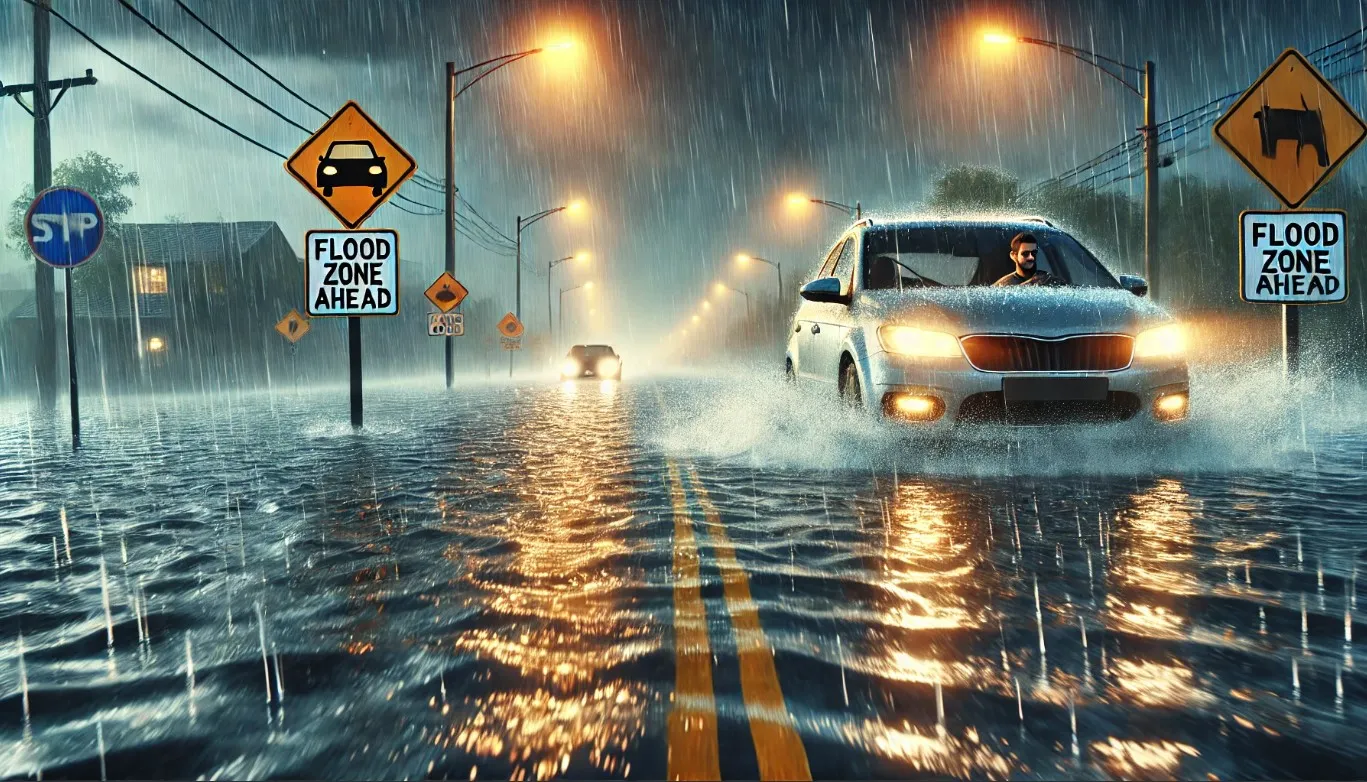
Rain and thunderstorms are frequent in Dallas, especially during spring and fall. Wet roads and poor visibility make driving dangerous, so it’s essential to adjust your driving habits.
Safe Driving Tips for Rainy Conditions:

Slow Down: Reduce your speed to maintain control and prevent hydroplaning.
Increase Following Distance: Leave extra space between your car and the vehicle in front of you.
Use Headlights: Turn on your headlights to improve visibility, even during daylight hours.
Avoid Flooded Roads: Never attempt to drive through standing water; it can be deeper than it appears.
If the rain is too heavy to see the road clearly, pull over to a safe location and wait for conditions to improve. At Get Drivers Ed, we teach drivers how to handle wet weather situations safely and responsibly.
3. Driving Safely on Icy and Snowy Roads

While Dallas doesn’t experience severe winter weather often, ice and snow can create hazardous road conditions when storms do occur.
How to Drive on Icy Roads:
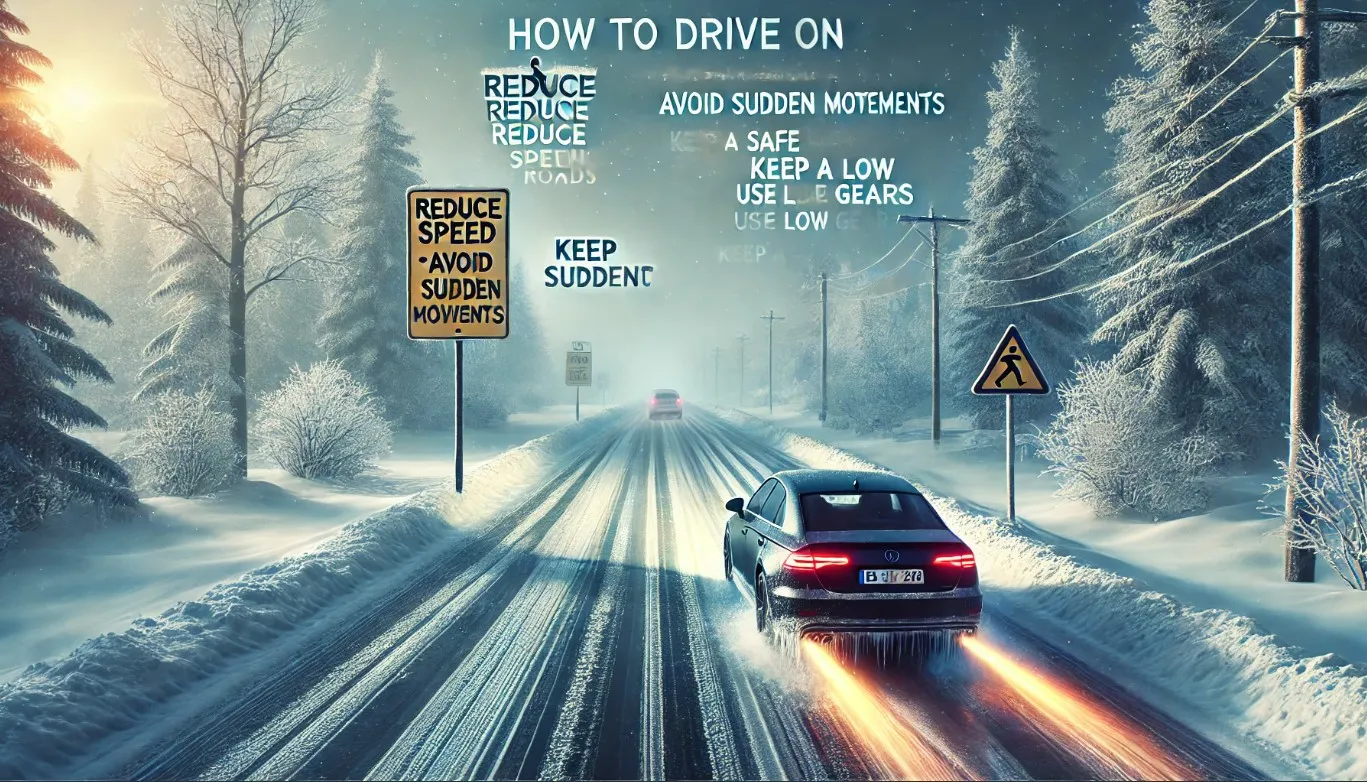
Reduce Speed: Drive slowly and avoid sudden braking or acceleration.
Avoid Sudden Movements: Smooth, gradual turns and stops help maintain traction.
Keep a Safe Distance: Stopping on icy roads takes longer, so increase your following distance.
Use Low Gears: If driving on slippery roads, use lower gears for better control.
Stay Prepared:
Keep an emergency kit in your car with blankets, water, and supplies.
Check road conditions and weather updates before heading out.
Understanding how to navigate winter roads is essential, and Get Drivers Ed ensures drivers know how to handle these rare but dangerous conditions.
4. Staying Safe in Extreme Heat

The intense Texas heat can take a toll on both drivers and vehicles. Proper preparation and awareness are key to staying safe during the summer months.
Heat-Related Safety Tips:

Check Tire Pressure: Heat causes tire pressure to increase, increasing the risk of blowouts.
Monitor Your Engine: Keep an eye on your car’s temperature gauge to prevent overheating.
Stay Hydrated: Keep water in your car to avoid dehydration, especially on long trips.
Avoid Hot Surfaces: Be cautious of metal seatbelts and steering wheels that can become dangerously hot.
Protect Your Car in Extreme Heat:
Park in shaded areas or use sunshades to protect your car’s interior.
Regularly check your air conditioning system to ensure it’s working properly.
At Get Drivers Ed, we emphasize vehicle maintenance tips that help you stay safe and comfortable in extreme heat.
5. Driving in Strong Winds and Severe Storms

Strong winds and severe storms are common during tornado season in Texas. These conditions can make driving especially dangerous, so it’s important to stay cautious.
Safety Tips for Windy Conditions:

Keep Both Hands on the Wheel: Strong gusts can push your vehicle off course, so maintain control.
Watch for Large Vehicles: High-profile vehicles like trucks and buses are more affected by wind.
Avoid Sudden Movements: Gradually steer and brake to stay stable on the road.
Tornado Safety:
If you encounter a tornado warning while driving:
Find a safe building or shelter nearby.
Avoid stopping under bridges or overpasses, as these can be dangerous during storms.
If no shelter is available, pull over, stay low in the car, and cover your head.
At Get Drivers Ed, we teach drivers how to remain calm and act responsibly in extreme weather scenarios like storms and high winds.
6. General Weather Safety Tips for Dallas Drivers
In addition to the weather-specific tips mentioned above, here are some general guidelines for staying safe during any extreme weather condition.
Weather Safety Checklist:
Plan Ahead: Check weather forecasts and road conditions before heading out.
Keep Your Car Maintained: Regularly check brakes, tires, wipers, and fluid levels.
Drive Defensively: Stay alert, reduce distractions, and be prepared to react to other drivers.
Carry an Emergency Kit: Include essentials like water, flashlights, first aid supplies, and a phone charger.
By following these tips, you can stay safer on the road no matter what Mother Nature throws your way.
Conclusion: Drive Confidently with Get Drivers Ed

Driving in extreme weather in Dallas, Texas, can be challenging, but with the right knowledge and preparation, you can keep yourself and your passengers safe. Whether it’s heavy rain, icy roads, scorching heat, or strong winds, knowing how to adapt your driving habits is essential for staying in control.
At Get Drivers Ed, we are committed to helping drivers navigate all weather conditions safely and confidently. Our online courses teach essential skills, from defensive driving techniques to vehicle safety tips, ensuring you’re prepared for any situation.
Comments
Share your thoughts by leaving a comment below.