The Do’s and Don’ts of Operating Aerial and Scissor Lifts Safely

Aerial and scissor lifts are essential tools in construction, warehousing, and maintenance. These versatile machines allow workers to perform tasks at height safely and efficiently. However, improper use of these lifts can lead to serious accidents, injuries, or even fatalities. That’s why understanding the do’s and don’ts of operating aerial and scissor lifts is crucial for workplace safety.
At Get Drivers Ed, we offer comprehensive training programs that teach operators how to handle aerial and scissor lifts properly while adhering to OSHA safety standards. In this guide, we’ll cover the critical do’s and don’ts to help you stay safe and efficient on the job.
1. The Importance of Safe Operation
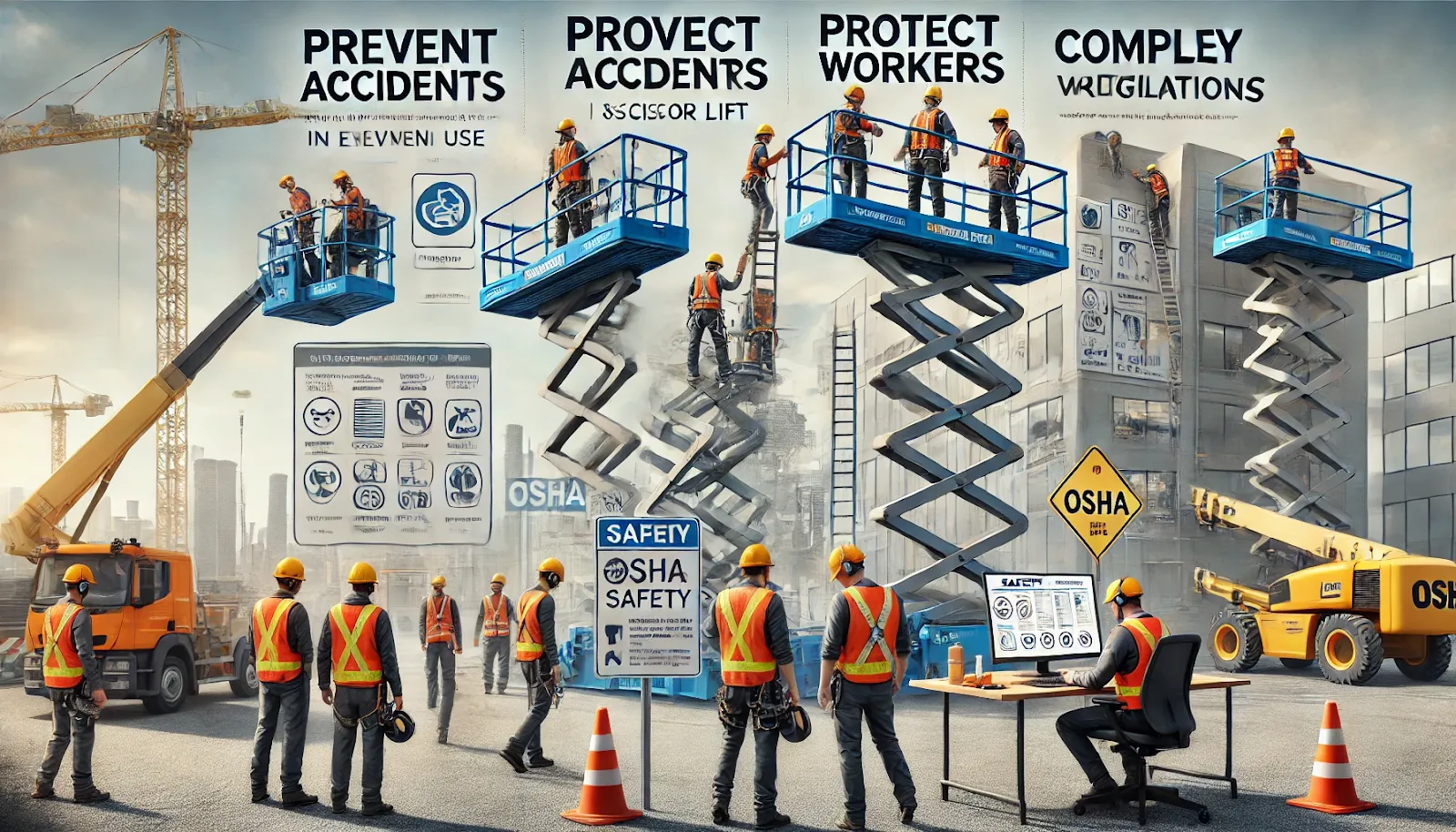
Operating aerial and scissor lifts requires more than just technical skill. It demands an understanding of the potential risks and how to mitigate them.
Why Safe Operation Matters:
Prevent Accidents: Proper training reduces the risk of falls, tip-overs, and collisions.
Protect Workers: Ensures the safety of everyone on-site.
Comply with Regulations: OSHA mandates specific safety standards for aerial and scissor lift operation.
At Get Drivers Ed, our training courses emphasize the importance of safety and compliance, ensuring every operator is equipped with the knowledge they need.
2. The Do’s of Operating Aerial and Scissor Lifts
Do Inspect the Equipment Before Use
Check for visible damage or wear, such as cracks, leaks, or loose parts.
Test controls and emergency stop functions to ensure they are working properly.
Do Wear Appropriate Personal Protective Equipment (PPE)
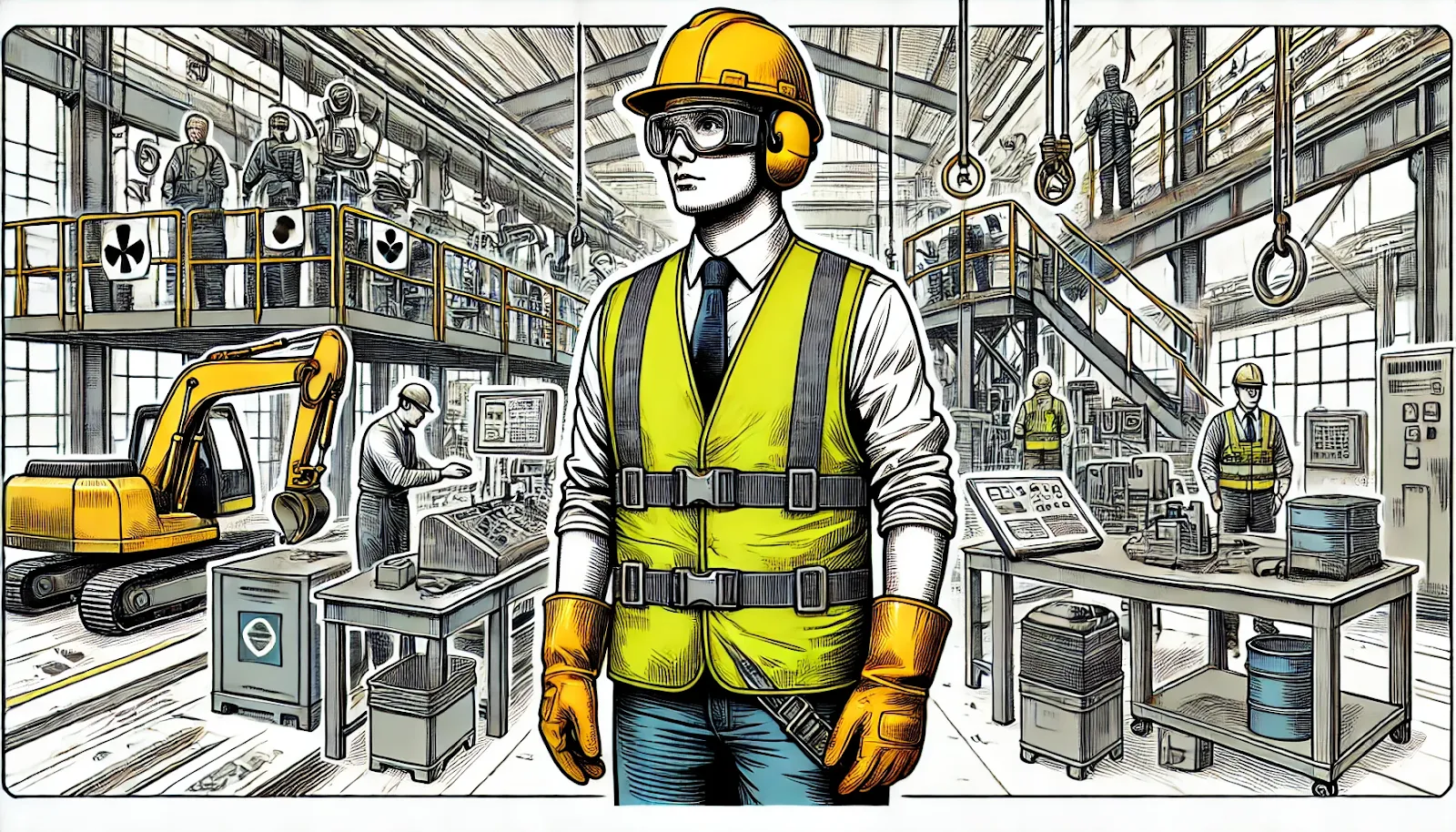
Always wear a full-body harness and secure it to an anchor point.
Use hard hats, gloves, and non-slip footwear for added safety.
Do Follow Manufacturer Guidelines
Refer to the operator’s manual for specific instructions on weight limits, platform usage, and operation.
Adhere to the recommended maintenance schedule.
Do Stay Within Guardrails

Keep your body fully inside the lift platform at all times.
Avoid leaning or reaching over the guardrails, which could compromise balance.
Do Monitor Environmental Conditions
Be aware of overhead hazards like power lines or tree branches.
Avoid operating lifts in high winds, heavy rain, or icy conditions.
By incorporating these best practices into your routine, you can significantly reduce the risks associated with lift operation.
3. The Don’ts of Operating Aerial and Scissor Lifts
Don’t Overload the Lift
Exceeding the weight limit can destabilize the lift, increasing the risk of tip-overs.
Always account for the combined weight of personnel, tools, and materials.
Don’t Move the Lift While Elevated

Driving the lift while it’s extended can cause it to tip over, especially on uneven ground.
Lower the platform before moving to a new location.
Don’t Use Improvised Equipment
Never stack ladders, scaffolding, or other objects on the lift platform to gain additional height.
Only use the lift as intended by the manufacturer.
Don’t Ignore Warning Signals
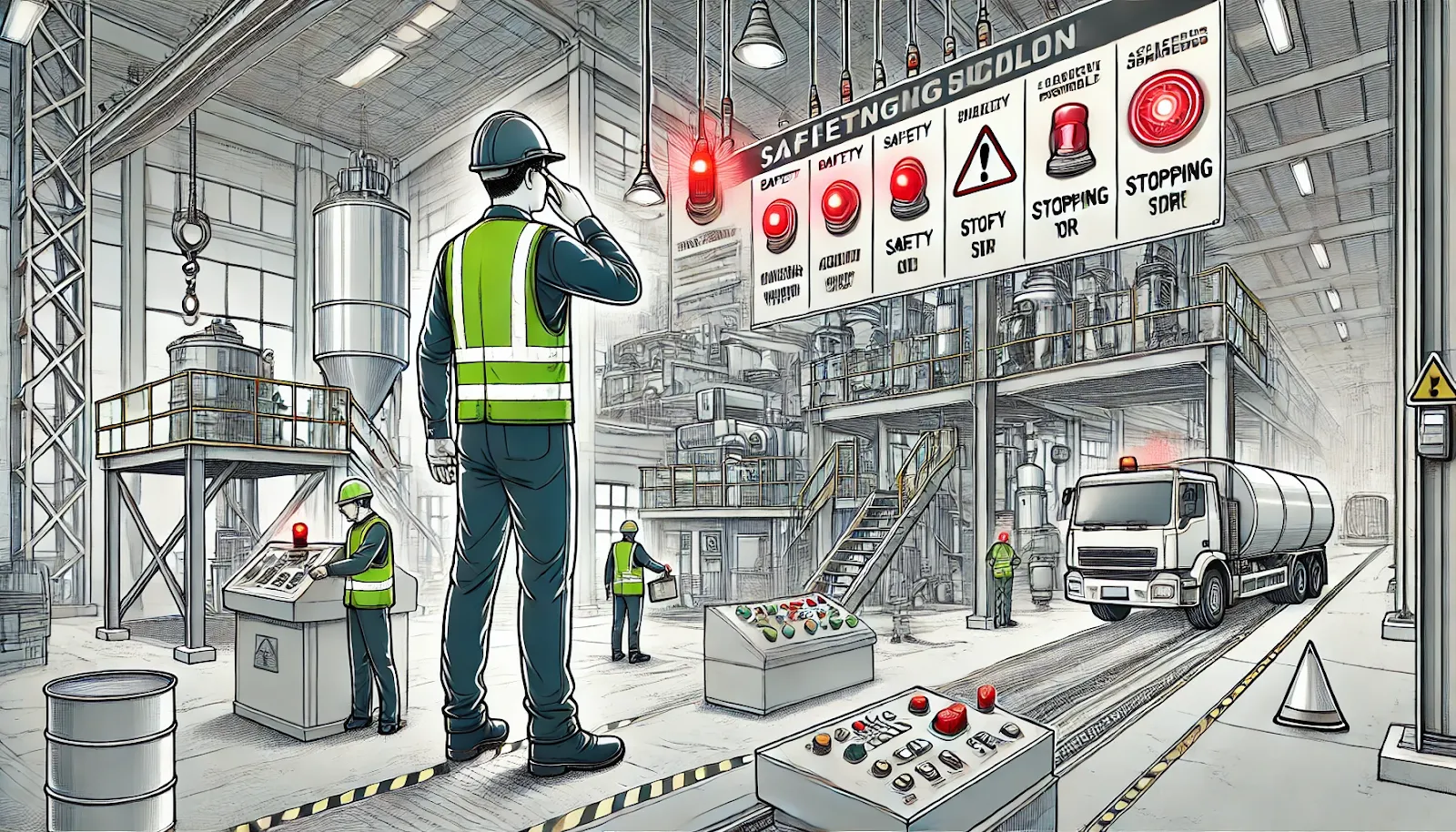
Pay attention to alarms or malfunction indicators on the lift.
Stop operation immediately if something seems off and conduct a thorough inspection.
Don’t Operate Without Proper Training
Untrained operators are more likely to make mistakes that could lead to accidents.
Ensure all operators complete an OSHA-compliant training program like the one offered by Get Drivers Ed.
4. The Role of Training in Lift Safety
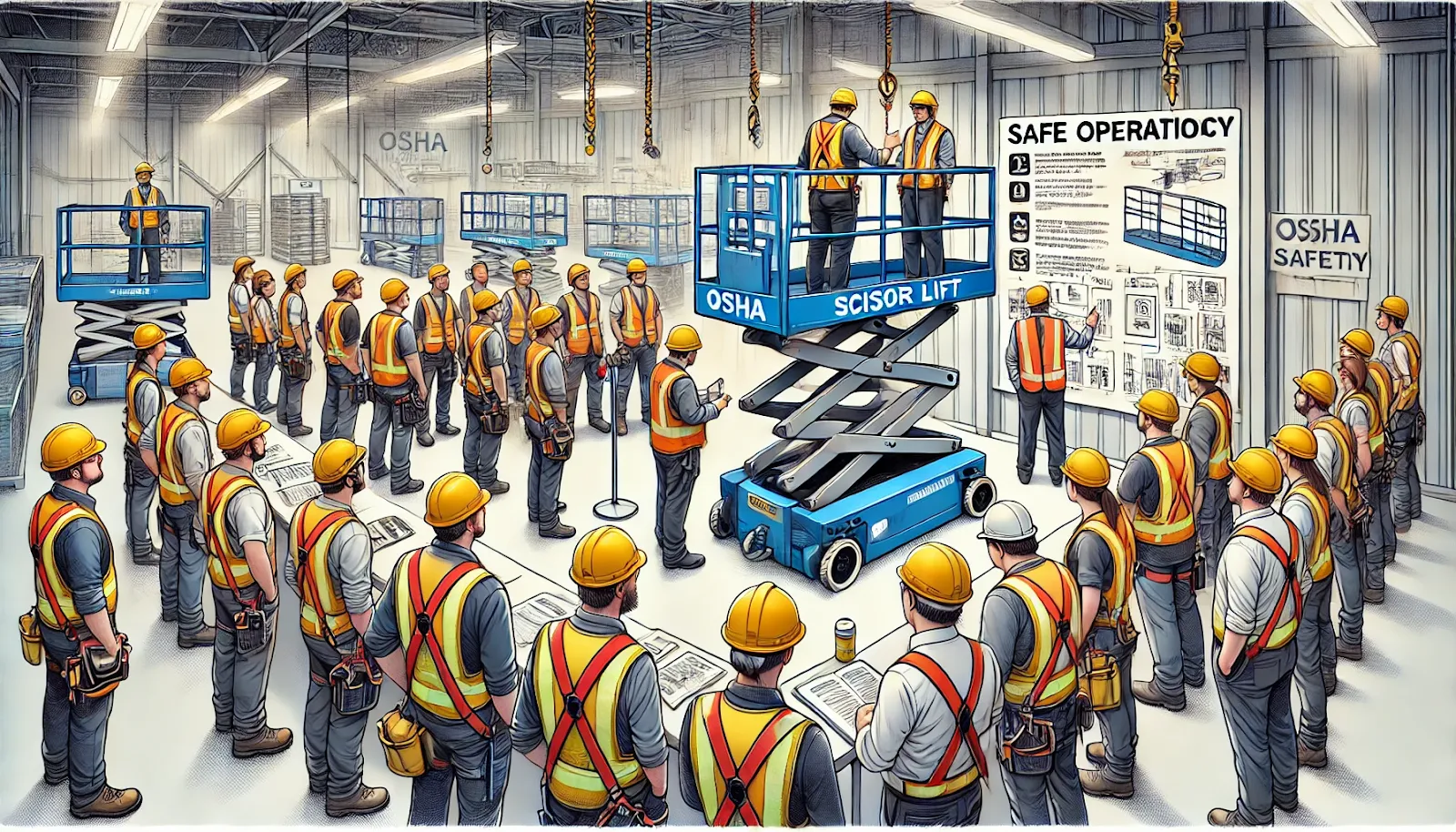
Why Training Matters:
Knowledge: Teaches operators about equipment capabilities and limitations.
Skills: Develops the practical skills needed for safe and efficient operation.
Compliance: Ensures adherence to OSHA safety standards.
At Get Drivers Ed, our aerial and scissor lift training programs are designed to prepare operators for real-world challenges. From equipment inspections to emergency procedures, our courses cover all the essentials.
5. Common Mistakes to Avoid
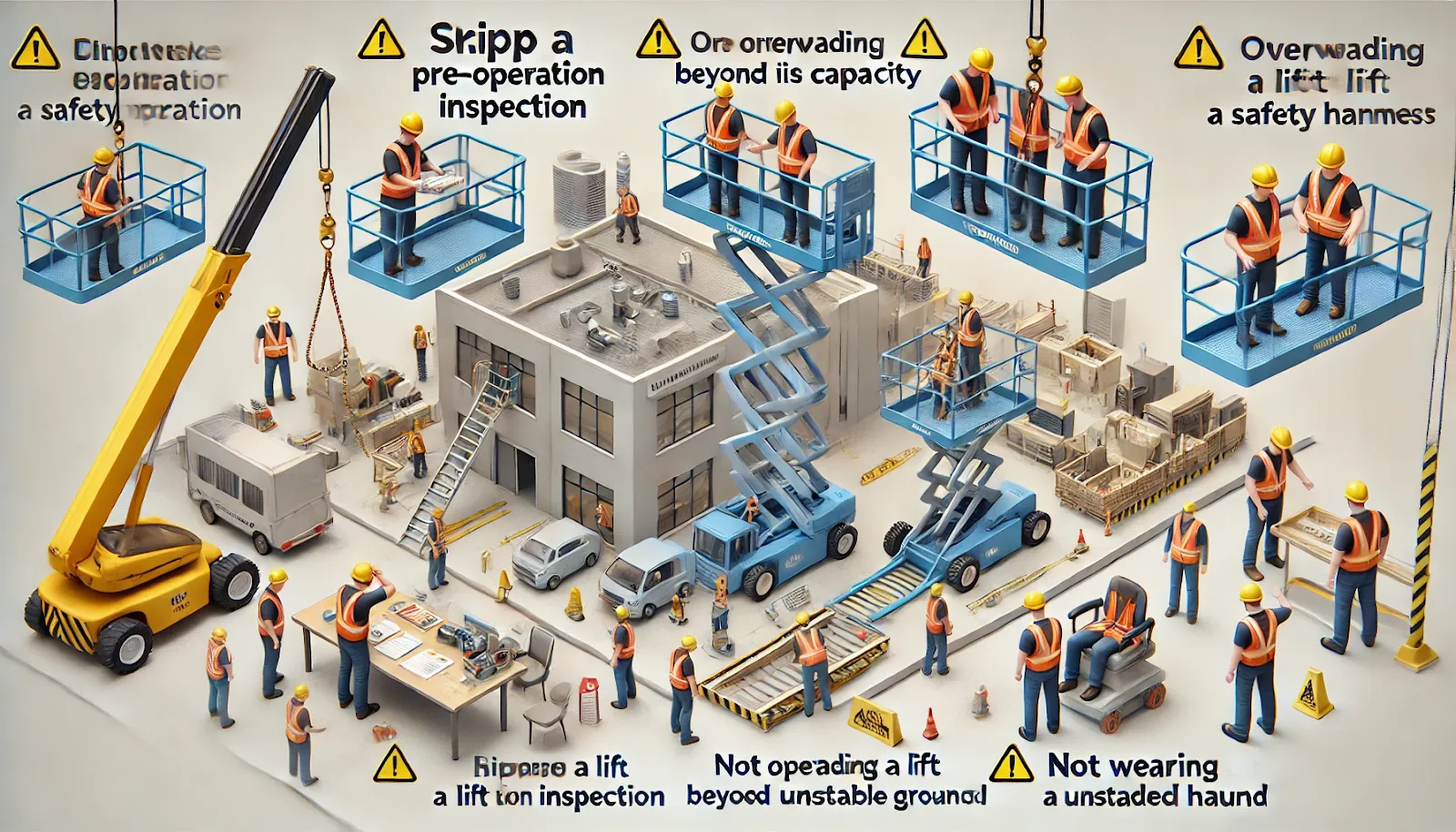
Even experienced operators can make errors if they become complacent or fail to follow safety protocols.
Frequent Mistakes Include:
Skipping pre-operation inspections.
Misjudging load capacity.
Operating the lift on unstable or uneven ground.
Neglecting to secure the harness.
How to Prevent These Errors:
Stay focused and avoid distractions while operating the lift.
Regularly review safety protocols and attend refresher training sessions.
6. Long-Term Benefits of Proper Lift Operation
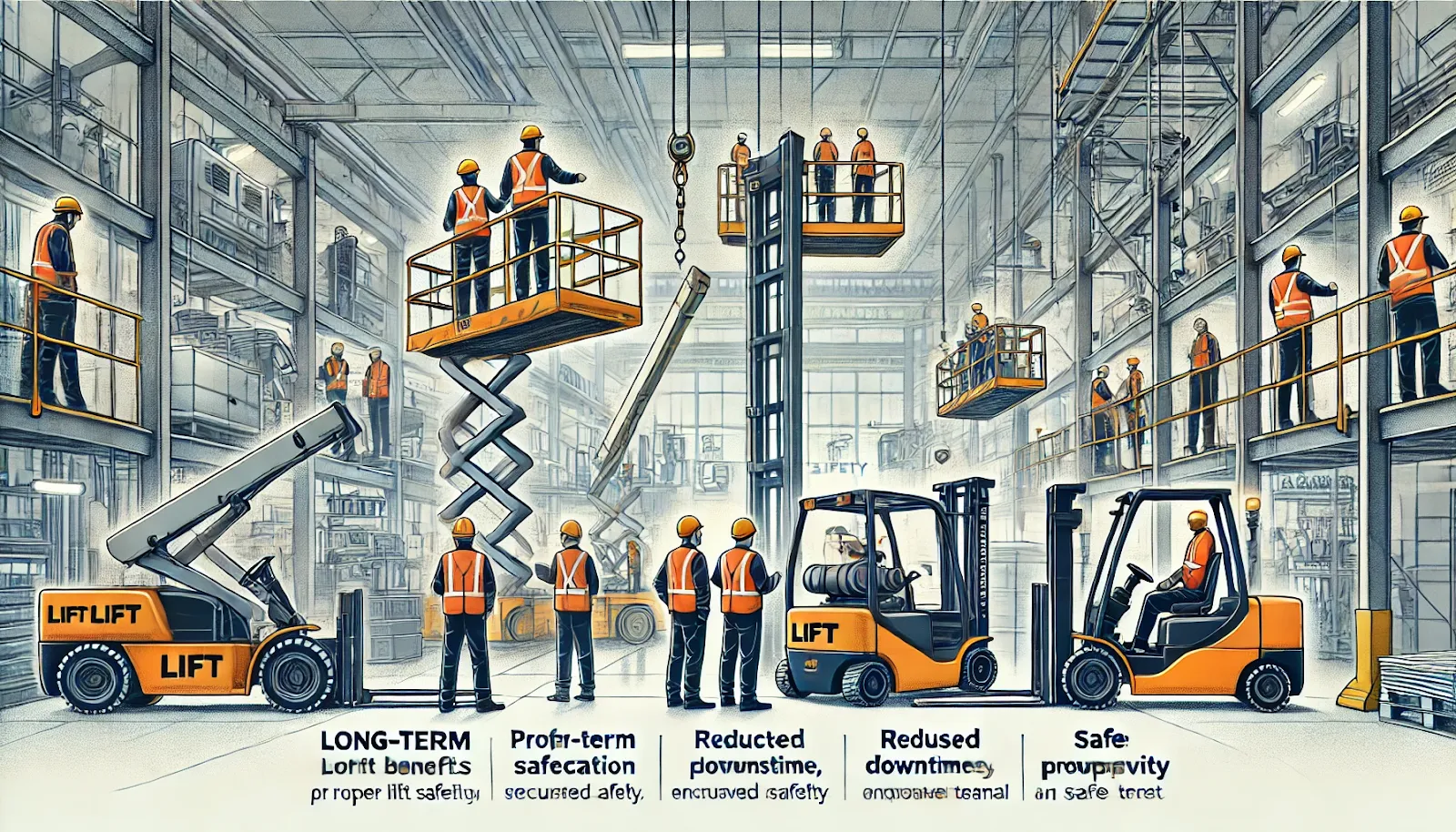
Investing in safety not only protects workers but also benefits the organization as a whole.
Key Advantages Include:
Reduced Downtime: Fewer accidents mean less disruption to work schedules.
Lower Costs: Avoid costly fines, lawsuits, and equipment repairs.
Improved Productivity: Skilled operators complete tasks more efficiently.
Enhanced Workplace Morale: A safe environment fosters trust and collaboration among employees.
At Get Drivers Ed, we help companies create a culture of safety by providing top-notch training and support.
Conclusion: Prioritize Safety with Get Drivers Ed

Operating aerial and scissor lifts safely requires knowledge, skill, and adherence to best practices. By following the do’s and don’ts outlined in this blog, operators can minimize risks and maintain a safe working environment.
At Get Drivers Ed, we’re committed to helping you and your team excel. Our OSHA-compliant training programs ensure that every operator is prepared to handle lifts confidently and responsibly.
Comments
Share your thoughts by leaving a comment below.