
Reclaiming Control: The Mental Benefits of Defensive Driving Techniques
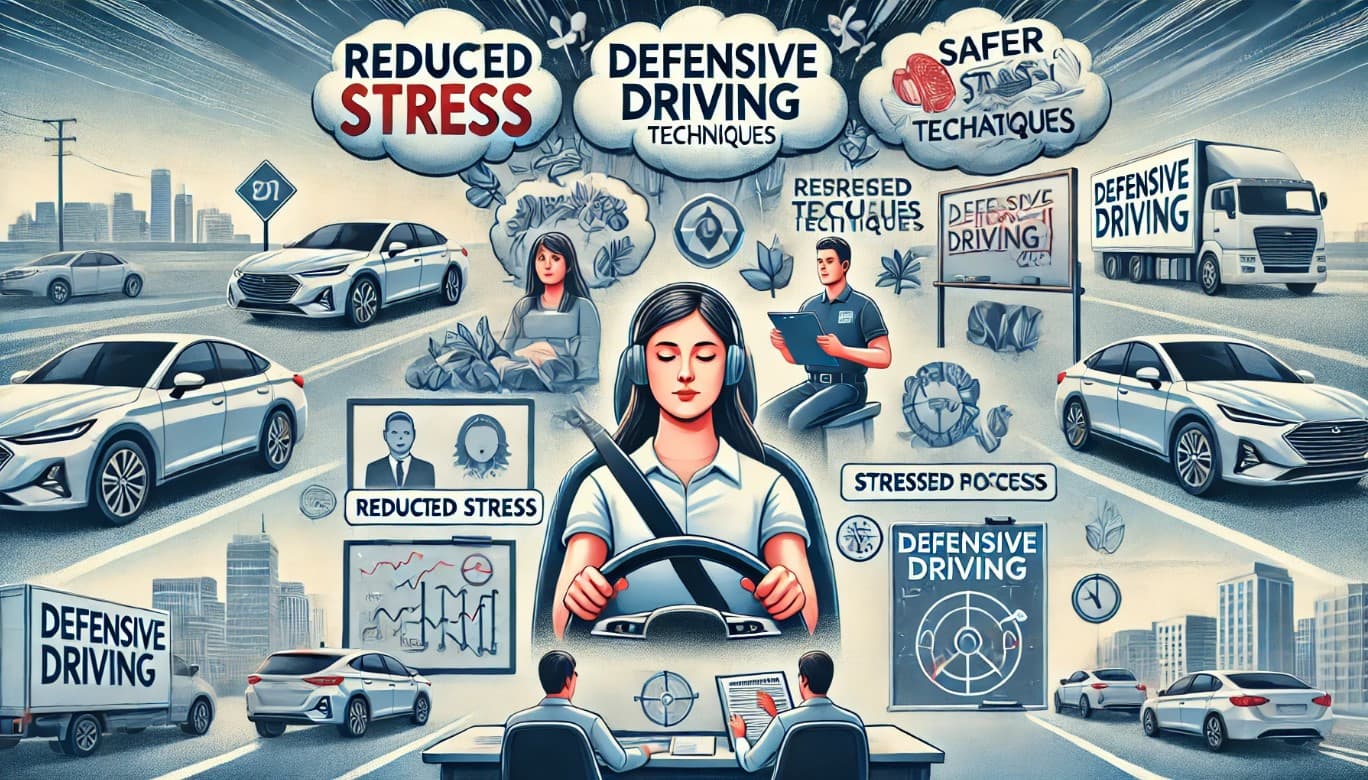
Driving is a necessary part of daily life, but for many people, it can also be a source of stress and anxiety. Traffic congestion, reckless drivers, and unpredictable road conditions can make even the most experienced drivers feel uneasy. However, defensive driving techniques can help drivers regain control, reduce stress, and improve mental well-being on the road.
At Get Drivers Ed, we emphasize the importance of defensive driving not just for safety but also for its positive impact on mental health. By learning effective driving strategies, you can drive with greater confidence, less anxiety, and improved focus.
1. Understanding Defensive Driving and Its Role in Mental Well-Being

What Is Defensive Driving?
Defensive driving is a set of techniques designed to help drivers anticipate potential hazards, avoid accidents, and navigate traffic safely. It involves:
✔ Staying alert and aware of surroundings.
✔ Maintaining a safe following distance.
✔ Predicting other drivers’ behaviors.
✔ Reacting calmly in unexpected situations.
How Defensive Driving Improves Mental Health

Driving can be overwhelming, especially in high-traffic areas or unpredictable weather conditions. Defensive driving reduces mental strain by providing drivers with the tools and confidence to handle any situation effectively.
By practicing defensive driving techniques, drivers experience:
✔ Lower anxiety levels behind the wheel.
✔ Better focus and reduced cognitive overload.
✔ Greater control over driving situations.
At Get Drivers Ed, our defensive driving courses equip drivers with the skills needed to stay calm, confident, and prepared on the road.
2. Key Defensive Driving Techniques That Promote Mental Clarity
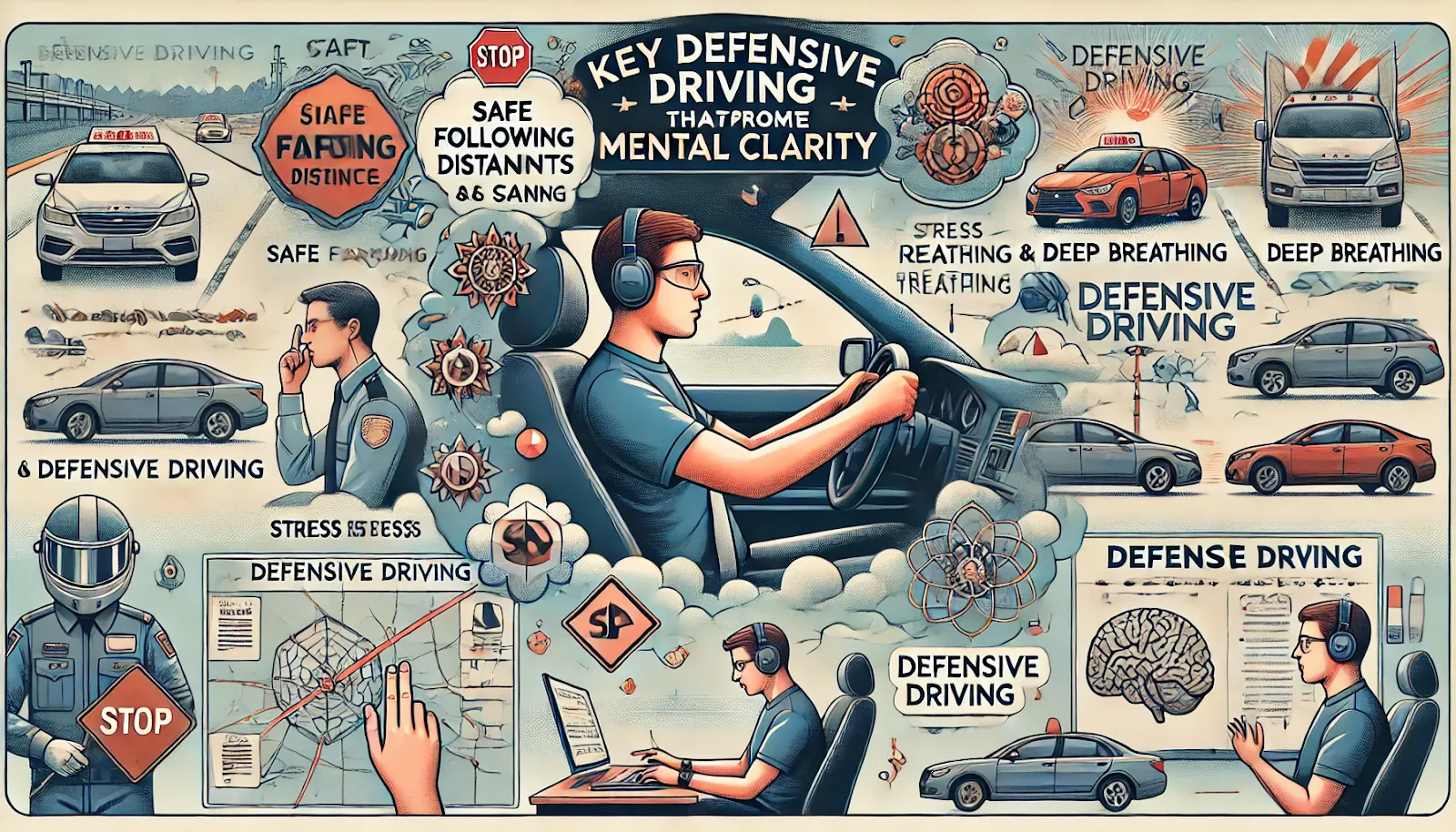
1. Maintaining a Safe Following Distance
One of the most effective ways to reduce stress while driving is to avoid tailgating. By keeping a three-second gap between you and the car ahead, you:
✔ Reduce the risk of sudden braking accidents.
✔ Give yourself more reaction time in emergencies.
✔ Eliminate the frustration of stop-and-go driving.
A safe following distance allows drivers to remain calm and react appropriately, rather than feeling rushed or pressured by other vehicles.
2. Scanning the Road Ahead
A key component of defensive driving is always being aware of your surroundings. This means:
✔ Checking mirrors frequently to monitor traffic flow.
✔ Anticipating potential hazards, such as sudden stops or lane changes.
✔ Observing pedestrians, cyclists, and road signs.
By scanning ahead and staying alert, drivers minimize surprises, making the driving experience more predictable and less stressful.
3. Managing Speed and Avoiding Aggressive Drivers
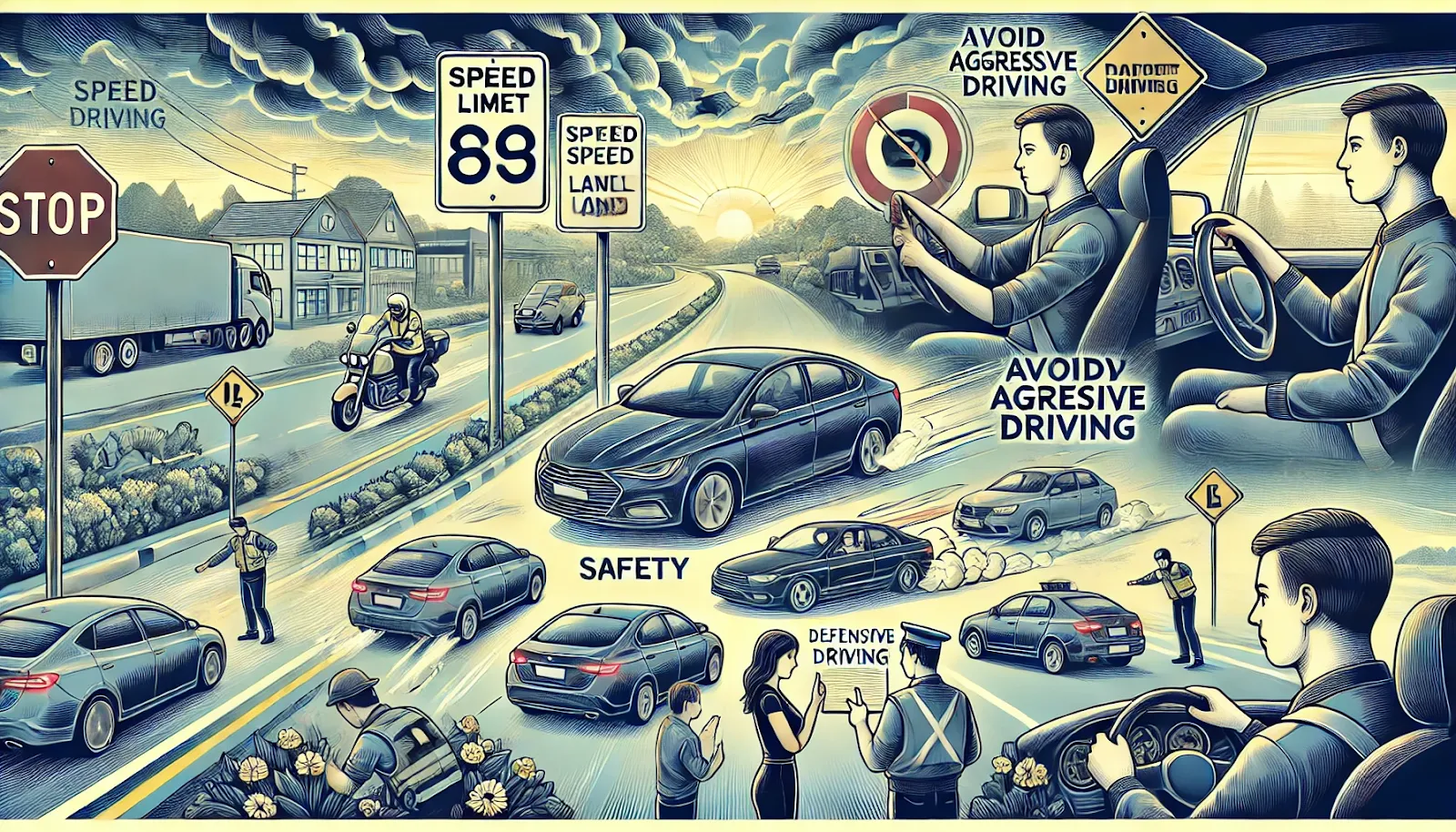
Speeding is a leading cause of accidents and also contributes to driver stress. Defensive drivers understand that:
✔ Sticking to speed limits prevents accidents.
✔ Avoiding aggressive drivers reduces road rage.
✔ Consistent speeds create a smoother, more controlled ride.
At Get Drivers Ed, we teach drivers how to handle aggressive drivers calmly and how to maintain a steady, controlled driving pace.
4. Practicing Predictable and Smooth Maneuvers
Erratic driving behaviors, such as sudden lane changes and abrupt stops, can increase tension and anxiety. Defensive drivers focus on:
✔ Signaling turns and lane changes well in advance.
✔ Braking gradually instead of suddenly.
✔ Sticking to a single lane unless necessary.
These habits help create a more relaxed driving experience and reduce the risk of collisions.
3. Reducing Road Anxiety Through Defensive Driving
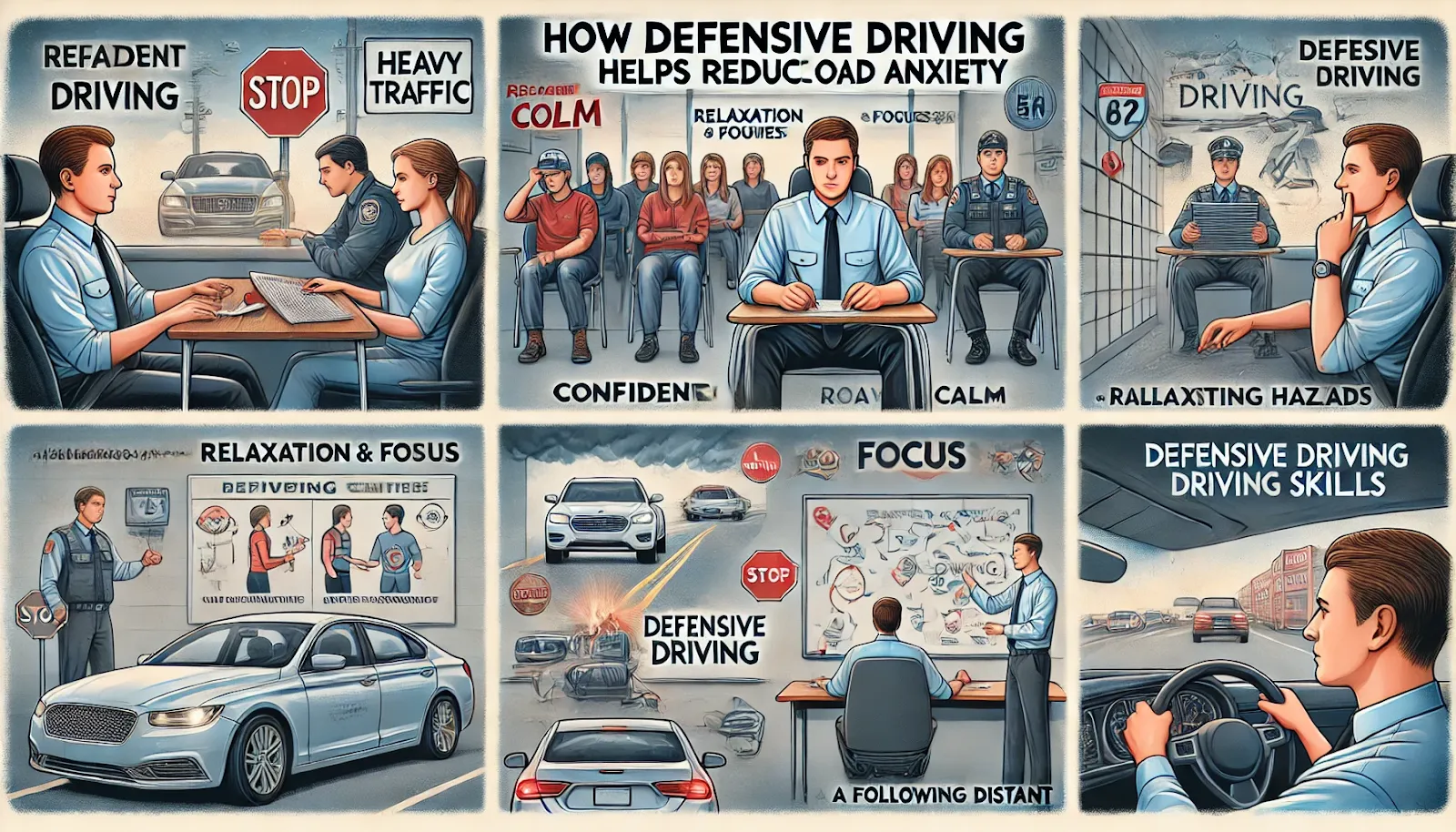
How Defensive Driving Helps with Driving Anxiety
Many people experience driving-related anxiety, especially when dealing with:
✔ Heavy traffic.
✔ Unfamiliar roads.
✔ Aggressive drivers.
Defensive driving techniques help reduce anxiety by increasing predictability and preparedness. When drivers feel in control of their vehicle and surroundings, they are less likely to panic in unexpected situations.
Mental Health Benefits of Defensive Driving
✔ Less frustration during commutes.
✔ Improved reaction time and decision-making.
✔ Increased confidence when driving alone or in unfamiliar areas.
By staying proactive, drivers can turn stressful commutes into more peaceful experiences.
4. Why Take a Defensive Driving Course?
1. Learn from Certified Instructors
A professional defensive driving course ensures drivers receive expert instruction on handling various road conditions, distractions, and emergency situations.
2. Lower Your Insurance Premiums
Many insurance companies offer discounts to drivers who complete defensive driving courses. This means safer driving and cost savings.
3. Build Confidence and Control
Enrolling in a Get Drivers Ed defensive driving course helps drivers:
✔ Gain practical experience in handling difficult driving scenarios.
✔ Master techniques to avoid common road hazards.
✔ Drive with greater ease and assurance.
Conclusion: Take Control of the Road with Defensive Driving

Defensive driving is more than just a road safety technique—it’s a mental strategy that helps drivers stay calm, focused, and in control.
✔ Stay prepared for unpredictable situations.
✔ Reduce stress and anxiety behind the wheel.
✔ Improve overall driving confidence.
At Get Drivers Ed, we provide comprehensive defensive driving training designed to enhance driver safety and mental well-being.
Comments
Share your thoughts by leaving a comment below.