How Olivia Rodrigo Passed Her Driver's Test (And You Can Too)

TL;DR
- Olivia Rodrigo passed her driver's test by putting in real preparation — and you can follow the same proven approach.
- Structured drivers ed courses dramatically improve your chances of passing on the first try.
- Knowing your state's specific rules, practicing consistently, and avoiding common mistakes are key.
- Get Drivers Ed offers flexible, state-approved online courses for teens and adults alike.
- The road to your license doesn't have to be stressful — the right preparation makes all the difference.
Introduction
If you've ever wondered how Olivia Rodrigo passed her driver's test, you're not alone. The Grammy-winning pop star famously opened up about her driving journey — the nerves, the preparation, and the ultimate triumph of earning her license. What's remarkable is that her experience mirrors what millions of new drivers go through every year. She studied, she practiced, and she showed up ready. The good news? You can do exactly the same thing. Whether you're a teenager getting behind the wheel for the first time or an adult finally tackling that long-overdue license, this guide walks you through everything you need to know to pass your driver's test with flying colors.
The Olivia Rodrigo Driving Story: What We Can Learn
Olivia Rodrigo, known for chart-toppers like "drivers license" — a song literally inspired by the emotional experience of learning to drive — has spoken candidly about what it took to actually get that coveted plastic card. She didn't waltz into the DMV unprepared. She took the process seriously, studied the rules of the road, and leaned on structured learning to build her confidence. That approach is backed by data: according to NHTSA road safety research, new drivers who complete formal driver education programs have significantly lower crash rates than those who don't. Olivia's story isn't just celebrity gossip — it's a genuine roadmap (pun intended) for anyone preparing to take their driving test.
The parallel between her song and her real-life experience resonated with millions of fans because learning to drive is a universal rite of passage. It's exciting, nerve-wracking, and deeply meaningful. And just like writing a hit song takes practice and craft, passing your driver's test takes deliberate preparation and the right tools.

Key Steps to Passing Your Driver's Test
So what does it actually take to pass? Let's break it down into the same core pillars that helped Olivia — and thousands of everyday drivers — succeed.
1. Enroll in a State-Approved Drivers Ed Course
The single most impactful thing you can do is take a quality drivers ed course. This gives you a structured curriculum that covers traffic laws, road signs, defensive driving, and test-specific knowledge. Explore the Get Drivers Ed course catalog to find a course that fits your schedule, your state, and your learning style. Online courses are especially convenient — you can study at your own pace, revisit tricky topics, and prepare on your timeline.
2. Understand Your State's Specific Requirements
Driver's test requirements vary significantly from state to state. In Texas, for example, adult learners have specific age-related rules and required practice hours. The Texas Adult Drivers Ed course from Get Drivers Ed is fully state-approved and covers everything the Texas DPS expects you to know. Always check your local DMV.org resources to confirm current requirements before your test date.
3. Log Plenty of Behind-the-Wheel Practice
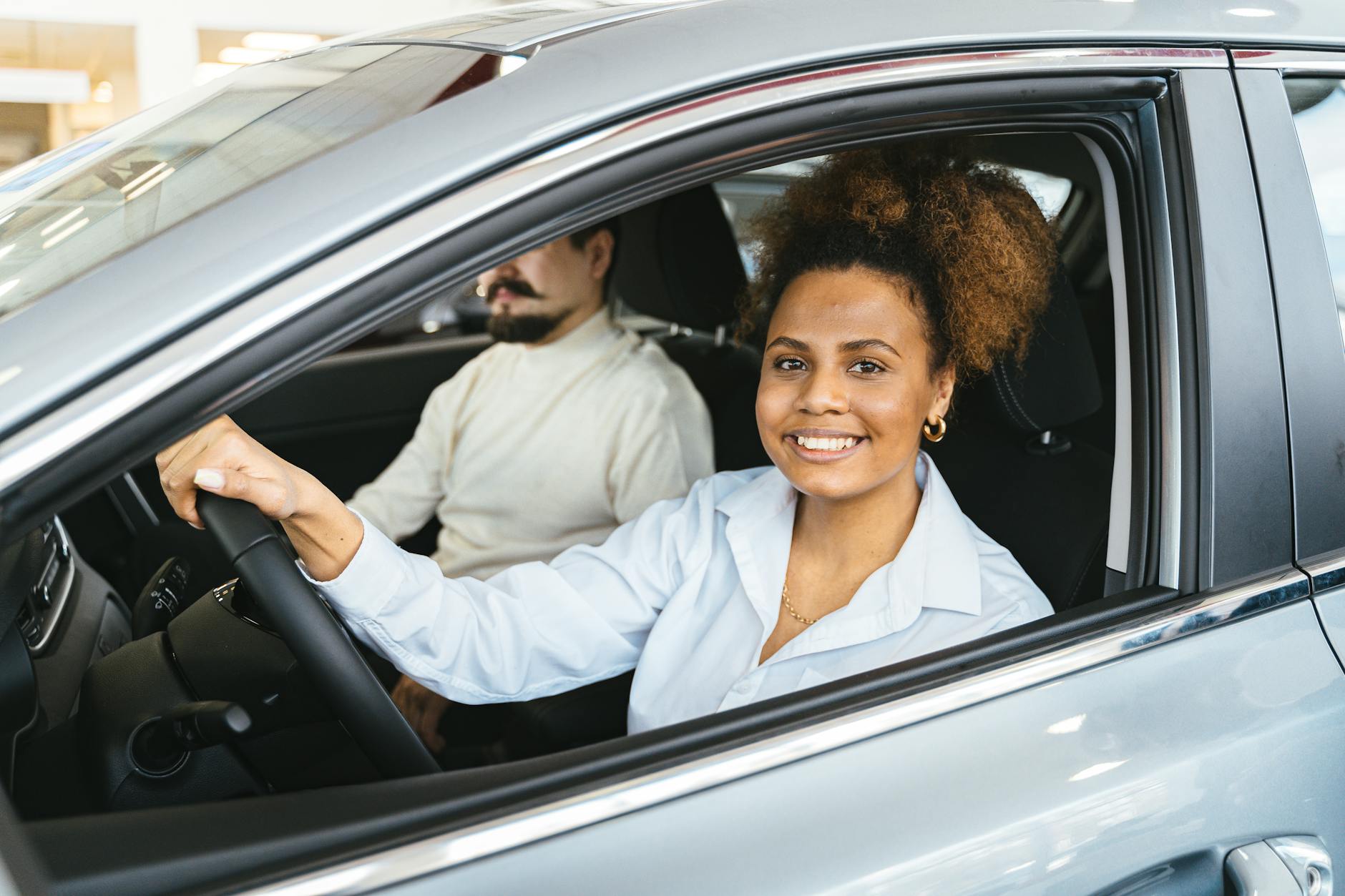
Theory is essential, but real-world practice is irreplaceable. Most states require a minimum number of supervised driving hours, and the U.S. Department of Transportation recommends new drivers practice in a wide variety of conditions — different weather, traffic levels, and times of day. Practice parallel parking, three-point turns, highway merging, and navigating intersections until they feel natural.
4. Take Practice Tests Seriously
Online practice tests are one of the most underrated tools for passing your written exam. They help you identify weak spots, build familiarity with question formats, and reduce test-day anxiety. Many Get Drivers Ed courses include built-in practice quizzes that mirror actual DMV test questions.
5. Know What the Examiner Is Looking For
During the road skills test, examiners are evaluating your ability to follow traffic laws, signal properly, check mirrors, and demonstrate control of the vehicle. They want to see calm, deliberate decision-making — not perfection, but competence and awareness. Understanding their checklist in advance is a game-changer.

Quick Checklist
- ✅ Enroll in and complete a state-approved drivers ed course
- ✅ Study your state's driver's handbook thoroughly
- ✅ Complete all required supervised driving hours
- ✅ Take multiple practice written tests before your exam
- ✅ Bring all required documents to your DMV appointment (ID, permit, proof of insurance, and any required forms)
Common Mistakes to Avoid
Even well-prepared drivers stumble when they make avoidable mistakes. Here are the most common ones — and how to steer clear of them.
Skipping the handbook. The DMV written test pulls directly from your state's official driver's manual. Many test-takers assume they can wing it. They can't. Read the handbook cover to cover, at least twice.
Underestimating the road skills test. A lot of people ace the written test and then freeze during the behind-the-wheel portion. Practice in the actual area where your test will be held if possible — familiarity with local roads reduces surprise.

Neglecting vehicle safety basics. Before your road test, make sure the vehicle you're using has functioning lights, mirrors, brakes, and signals. Examiners may refuse to conduct a test on an unsafe vehicle. Proper vehicle maintenance aligns with safety principles outlined by OSHA safety standards — yes, even for personal vehicles.
Letting nerves take over. Test anxiety is real. Deep breathing, adequate sleep the night before, and arriving early all help. Confidence comes from preparation — the more you've studied and practiced, the calmer you'll feel.
Forgetting that driving is a career gateway. For some people, getting a license opens doors to professional driving careers. If you're eyeing a commercial driving path, know that Bureau of Labor Statistics data shows strong job demand for licensed CDL drivers — and Get Drivers Ed offers a CDL Class A Training course for those ready to take driving to the professional level.

How to Get Started with Get Drivers Ed
Get Drivers Ed makes the entire process simple, affordable, and flexible. Whether you're a teen working toward your first license, an adult who needs to complete a state-required course, or a professional looking to advance your driving credentials, Get Drivers Ed has a course designed for you. The platform is fully online, state-approved in multiple states, and built to help you pass — not just participate. You can study from your phone, tablet, or computer, fitting lessons around school, work, and life. Get Drivers Ed has helped thousands of students go from nervous beginners to confident, licensed drivers, and you could be next.
Frequently Asked Questions
How did Olivia Rodrigo pass her driver's test?
Olivia Rodrigo passed her driver's test through preparation and practice — the same approach that works for everyone. She famously wrote "drivers license" during her learning journey, capturing the emotional weight of the process. While specific details about her test experience are personal, what's clear is that she committed to the process. Enrolling in a structured drivers ed course, studying state rules, and practicing consistently are the universal keys to passing.
How many times do most people fail the driver's test before passing?
Studies suggest that roughly 50% of first-time test takers fail their driver's test on the initial attempt. The most common reasons include insufficient preparation, poor knowledge of traffic laws, and test-day nerves. Students who complete a formal drivers ed course tend to pass at significantly higher rates. Taking your preparation seriously — including practice tests and behind-the-wheel hours — dramatically improves your odds of passing on the first try.
Is online drivers ed as effective as in-person classes?
Yes — online drivers ed has been shown to be equally effective as in-person instruction when the course is state-approved and comprehensive. In fact, many students prefer online learning because it allows them to study at their own pace, revisit difficult material, and fit coursework into a busy schedule. Get Drivers Ed's online courses are designed with interactive content and practice quizzes that reinforce learning and prepare students thoroughly for both the written and road tests.
Ready to Begin?
Olivia Rodrigo turned her driver's license journey into a hit song — your story doesn't have to be quite so dramatic, but it can still have an amazing ending. The path from learner to licensed driver is completely achievable with the right preparation, the right resources, and a little bit of commitment. Get Drivers Ed is here to guide you every step of the way, from your very first lesson to the moment you hold that license in your hand. Don't put it off any longer — your road to freedom starts today.
Comments
Share your thoughts by leaving a comment below.