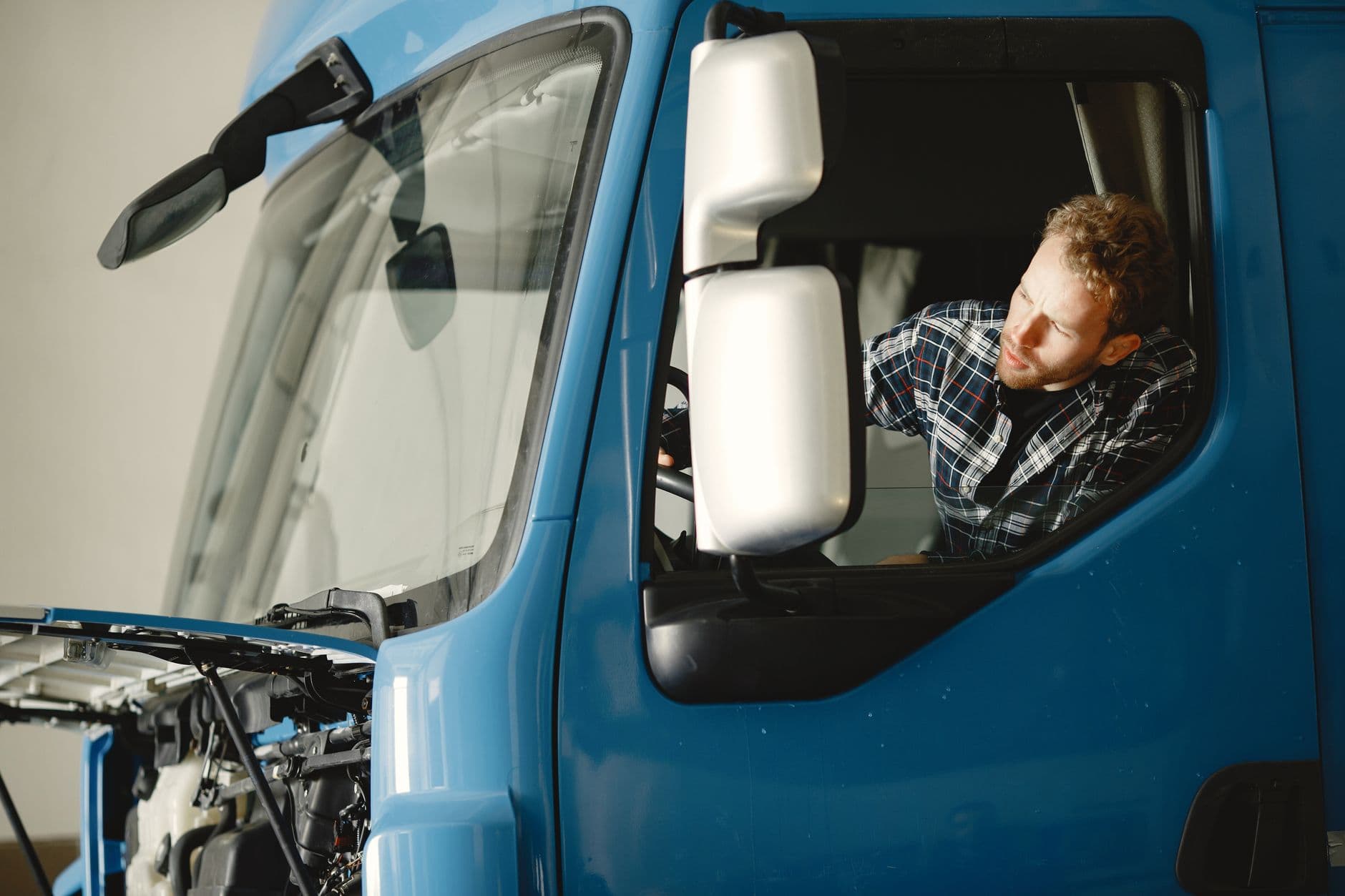
Dangers of Distracted Driving: Stay Safe on the Road
TL;DR
Distracted driving is a leading cause of accidents.
It includes visual, manual, and cognitive distractions.
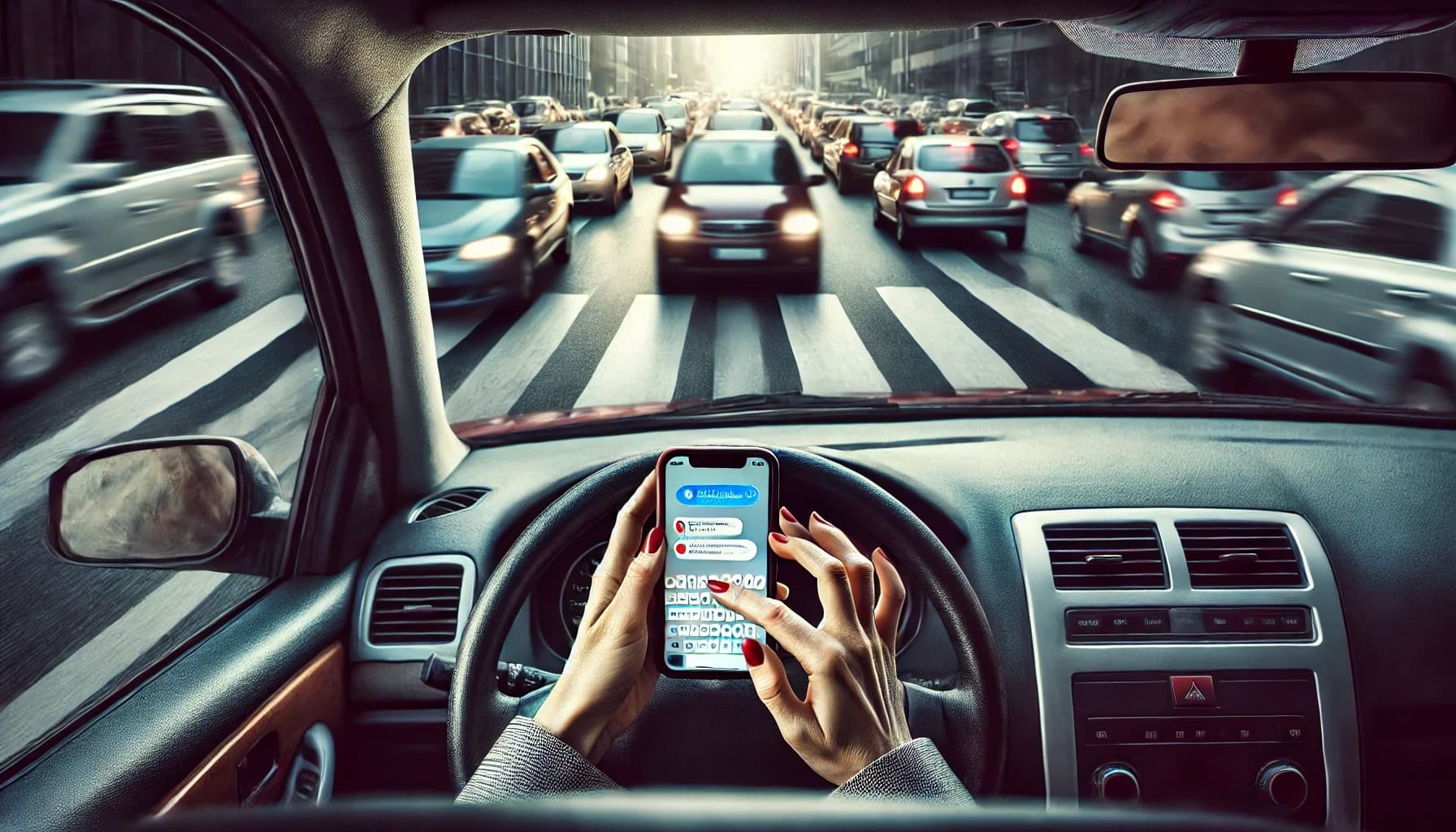
Texting while driving combines all three types of distractions.
Consequences include crashes, fines, insurance hikes, and fatalities.
Drivers ed, like programs at Get Drivers Ed, helps reduce risks.
Stay safe: put away phones, plan routes, and stay focused.
Introduction
Distracted driving is one of the most pressing dangers on today’s roads. Despite laws and awareness campaigns, many drivers still engage in risky behaviors behind the wheel. At Get Drivers Ed, we make it a priority to teach students how to stay focused, avoid distractions, and develop safe driving habits.
What Is Distracted Driving?
Distracted driving includes any activity that takes your attention off the road. Common examples are texting, eating, or adjusting your GPS while driving.
Types of Distractions
Visual distractions: Looking away from the road.
Manual distractions: Taking your hands off the wheel.
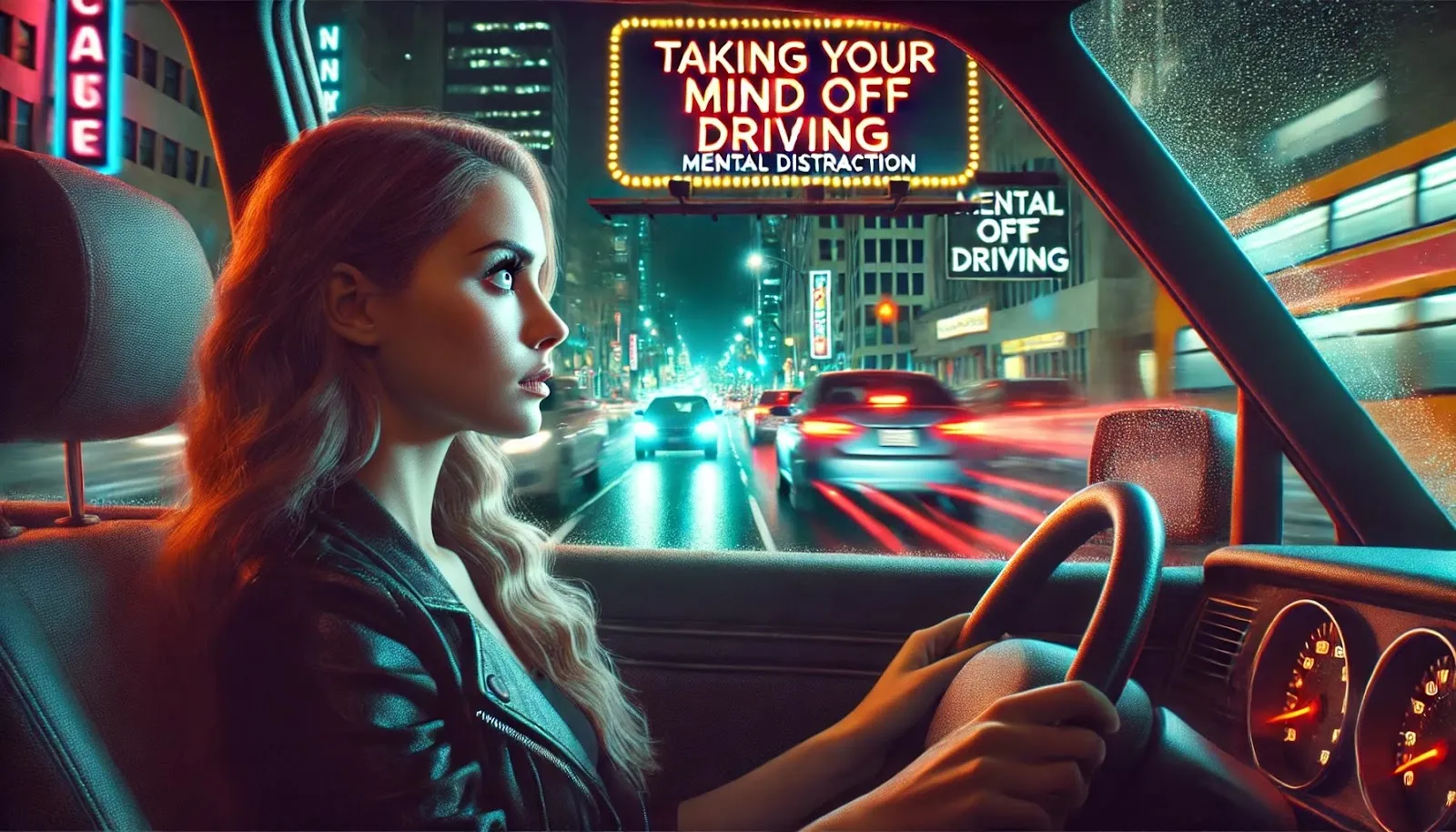
Cognitive distractions: Letting your mind wander.
Among these, texting is particularly dangerous because it combines all three. In our drivers ed courses, students learn why multitasking behind the wheel is never safe.
Visual distractions: Looking away from the road.
Manual distractions: Taking your hands off the wheel.
Cognitive distractions: Letting your mind wander.
The Statistics Speak Volumes
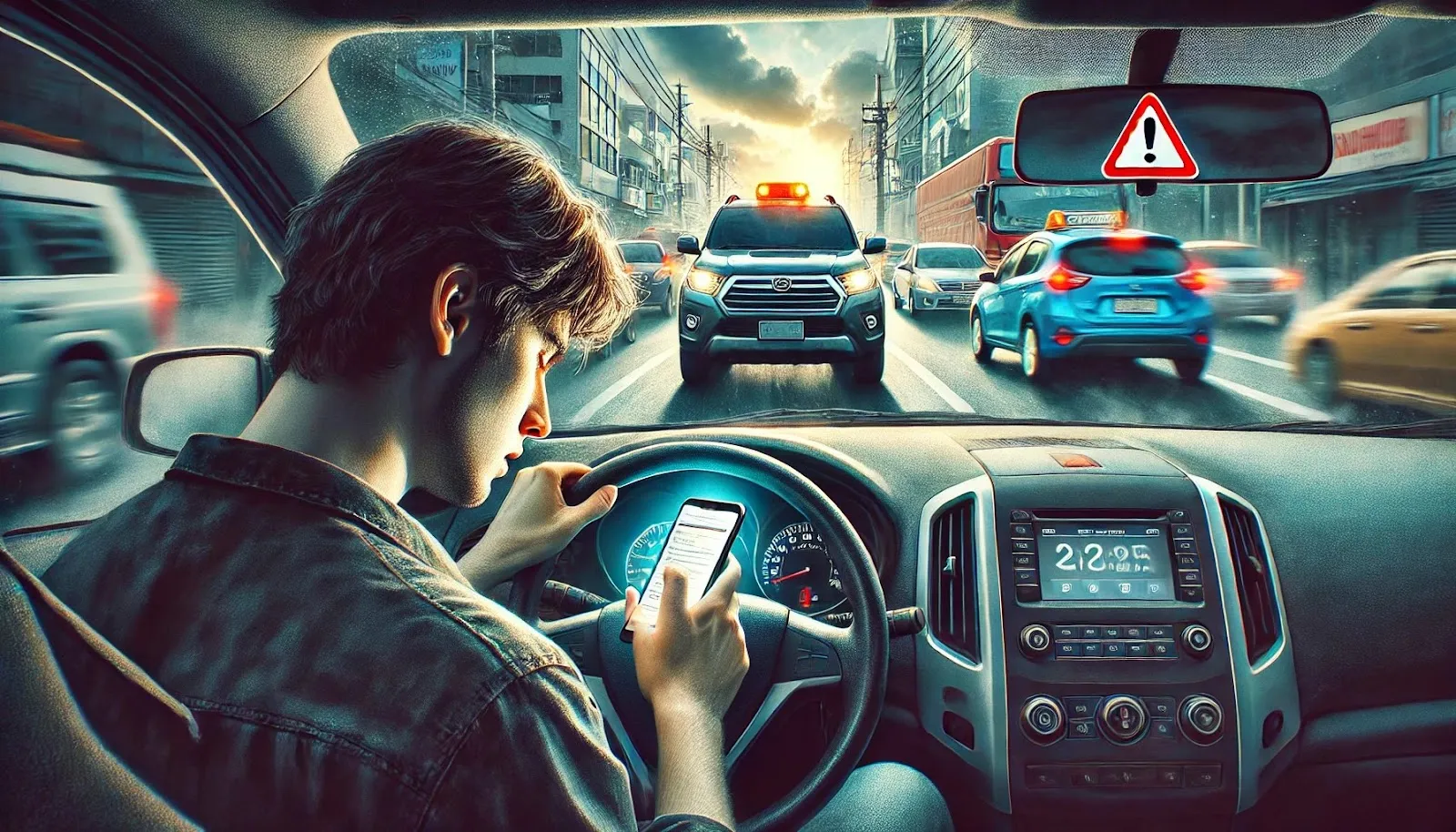
According to the National Highway Traffic Safety Administration (NHTSA), distracted driving claimed over 3,000 lives in a single year. Even more alarming, nearly 660,000 drivers use their phones while driving during daylight hours.
This highlights why comprehensive online drivers ed programs are vital. At Get Drivers Ed, we combine interactive lessons with real-world examples to make safety second nature.
Why Do Drivers Get Distracted?
There are multiple reasons why drivers fall into the trap of distraction:
Technological Dependence
Smartphones and in-car technology are major culprits. The CDC distracted driving report reveals how technology has become one of the top contributors to accidents.
Complacency
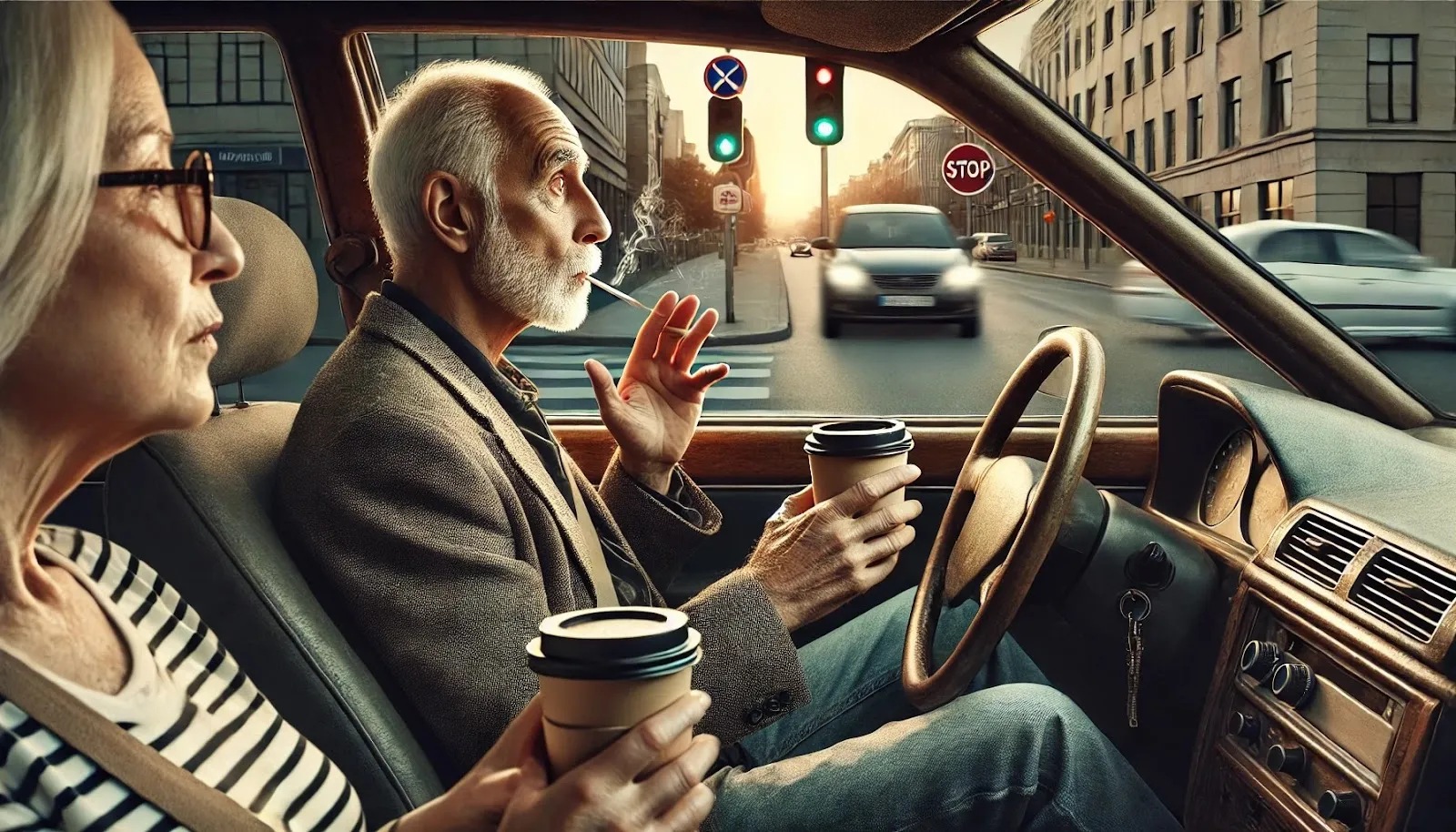
Experienced drivers may overestimate their abilities, believing they can multitask without risk.
Outside Influences
Billboards, roadside activity, or even other accidents can pull attention away from the road. To help drivers manage these risks, Get Drivers Ed offers defensive driving strategies that emphasize awareness and focus.
Consequences of Distracted Driving
The consequences of distracted driving can be devastating:
Accidents and Collisions – Small distractions can lead to major crashes.
Legal Repercussions – Many states have strict penalties for distracted driving. You can check updated laws through the Governors Highway Safety Association.
Insurance Costs – Premiums often increase after violations or crashes.
Fatalities – The IIHS distracted driving studies show how distraction leads to tragic outcomes.
At Get Drivers Ed, our driver safety curriculum ensures students understand both the risks and the real-world consequences.
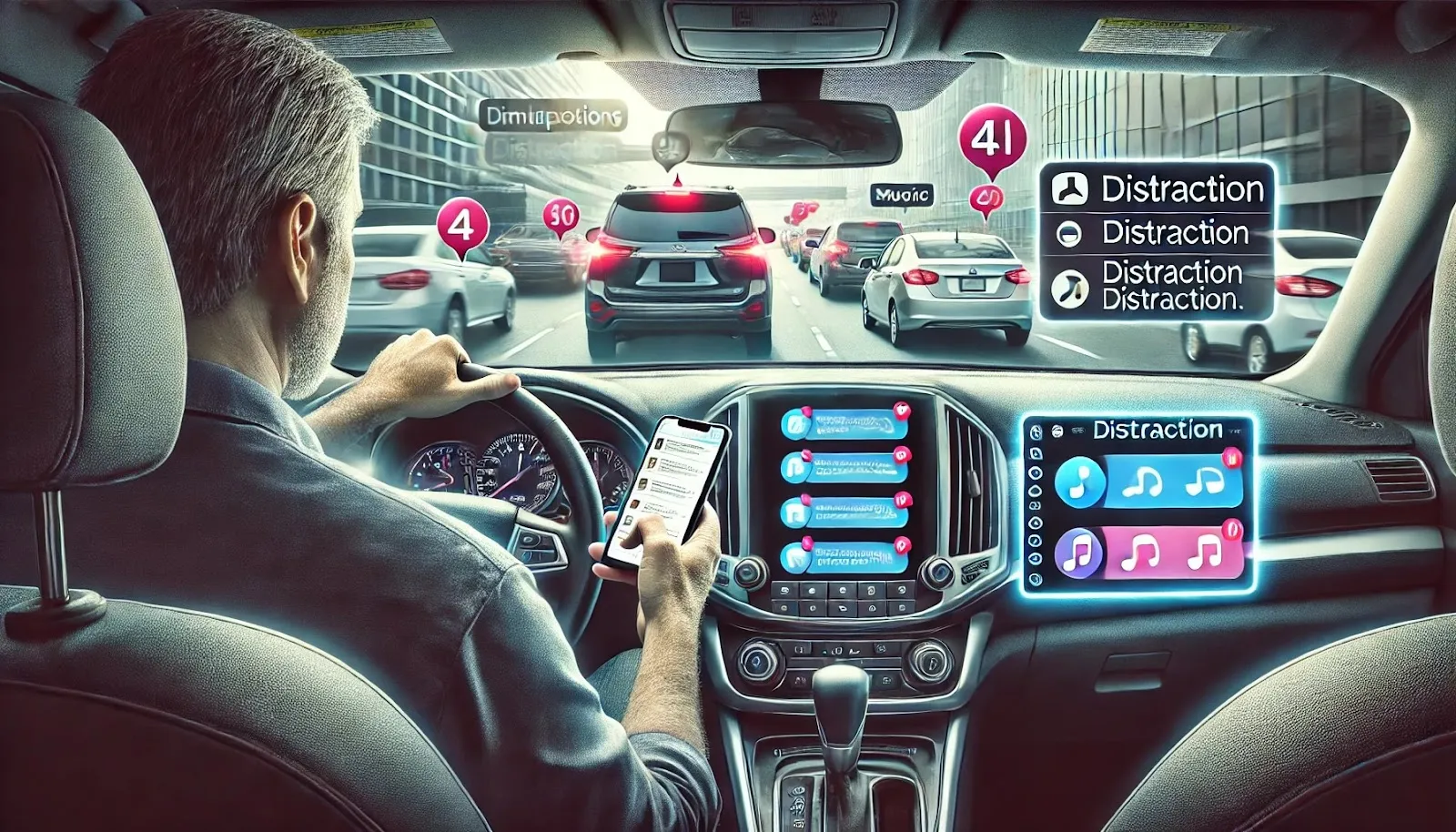
How to Avoid Distractions While Driving
Practical Strategies
Put Your Phone Away – Keep it out of reach while driving. Organizations like End Distracted Driving stress the importance of hands-free use only if absolutely necessary.
Plan Ahead – Set your GPS and adjust music before you start moving.
Limit Distractions Inside the Car – Keep conversations minimal and avoid eating while driving.
Stay Mentally Engaged – Remain fully aware of your surroundings and anticipate risks.
Through interactive learning tools, Get Drivers Ed reinforces these strategies until they become second nature.
Conclusion
Distracted driving is a preventable danger that continues to cost lives. By recognizing the risks, practicing safe habits, and enrolling in a trusted program like Get Drivers Ed, you can make the roads safer for yourself and others.
Don’t wait until it’s too late—sign up for a course with Get Drivers Ed today and take the first step toward becoming a more confident, responsible, and distraction-free driver.
Comments
Share your thoughts by leaving a comment below.