Safety First: Essential Tips for Operating Rough Terrain Forklifts
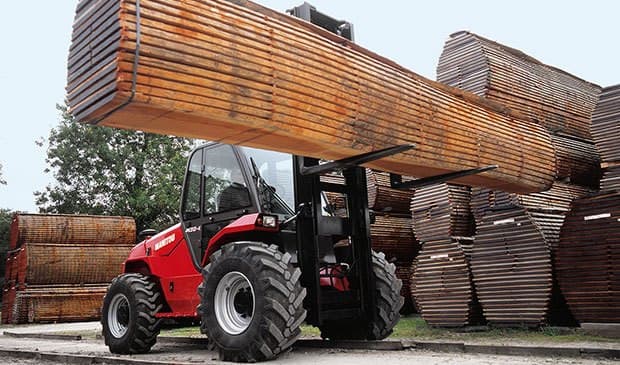
Operating a rough terrain forklift requires skill, focus, and a commitment to safety. These powerful machines are indispensable in industries like construction, agriculture, and logging, where uneven and challenging terrains are common. However, without proper knowledge and precautions, their operation can pose significant risks.
At Get Drivers Ed, we prioritize equipping operators with the tools and training they need to handle rough terrain forklifts safely and efficiently. In this blog, we’ll cover essential tips for safe forklift operation, ensuring both productivity and the well-being of operators and those around them.
1. Understanding the Unique Challenges of Rough Terrain Forklifts
What Are Rough Terrain Forklifts?
Rough terrain forklifts are heavy-duty machines designed to operate in challenging environments. Their robust design, large tires, and powerful engines make them ideal for uneven surfaces and outdoor projects.
Related course: Forklift Certification.
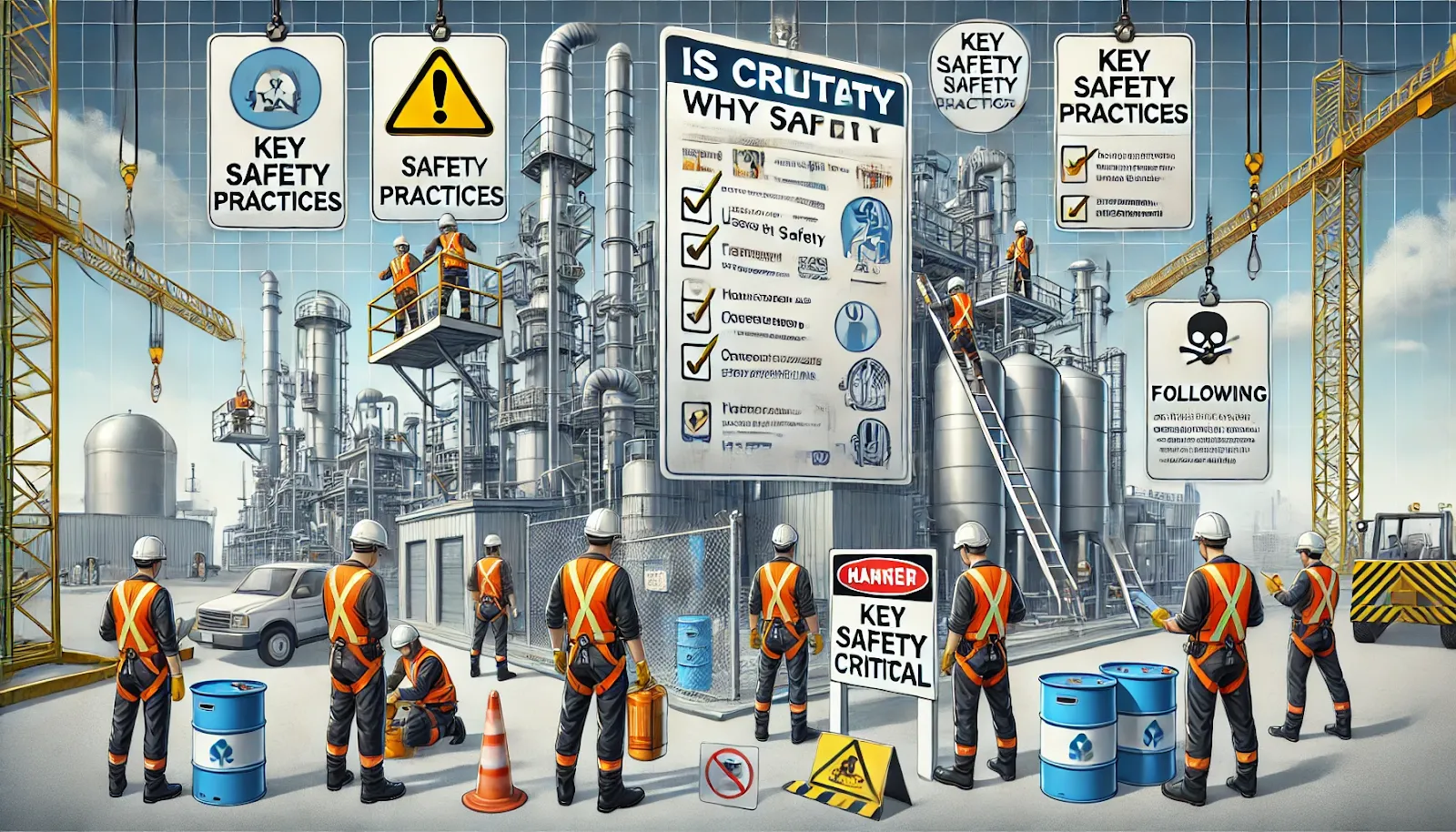
Why Safety Is Critical:
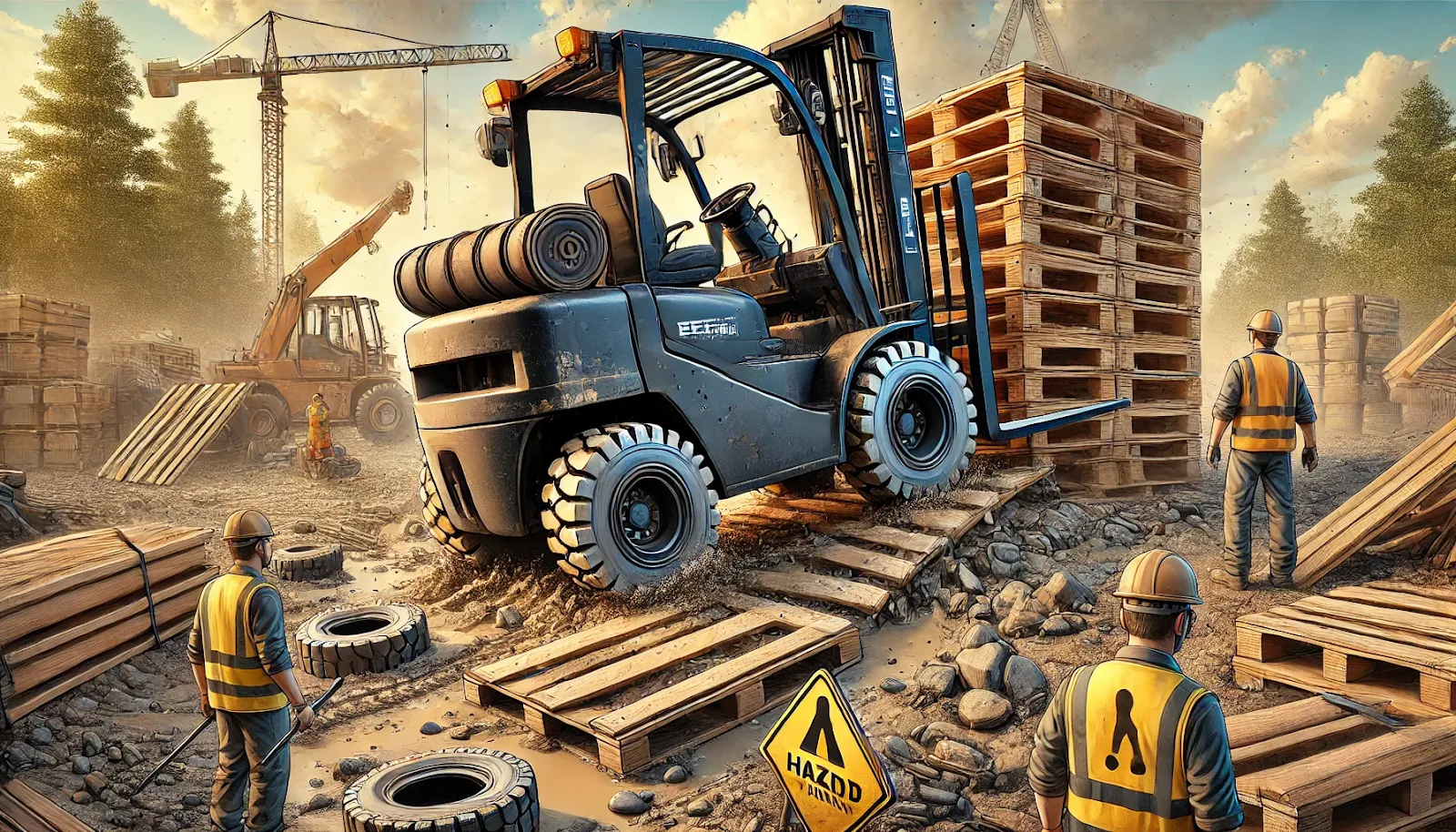
Challenging Environments: Uneven ground, steep slopes, and debris can create hazards.
High Loads: These forklifts often carry heavy or awkward loads, increasing the risk of tip-overs.
Dynamic Worksites: Busy job sites require constant vigilance to avoid accidents.
By understanding these challenges, operators can adopt strategies to minimize risks and ensure smooth operations.
2. Pre-Operation Inspections Are a Must

Before starting any job, a thorough inspection of the forklift is essential.
Key Areas to Check:
Tires: Look for wear, damage, or low pressure that could affect stability.
Hydraulic Systems: Inspect for leaks or unusual noises.
Brakes and Steering: Ensure both are functioning properly.
Load Handling Components: Verify forks, mast, and attachments are in good condition.
Why It Matters:
A well-maintained forklift reduces the likelihood of mechanical failure, ensuring a safer and more efficient operation.
At Get Drivers Ed, we teach operators how to conduct comprehensive pre-operation checks to ensure workplace safety.
3. Prioritize Operator Training and Certification
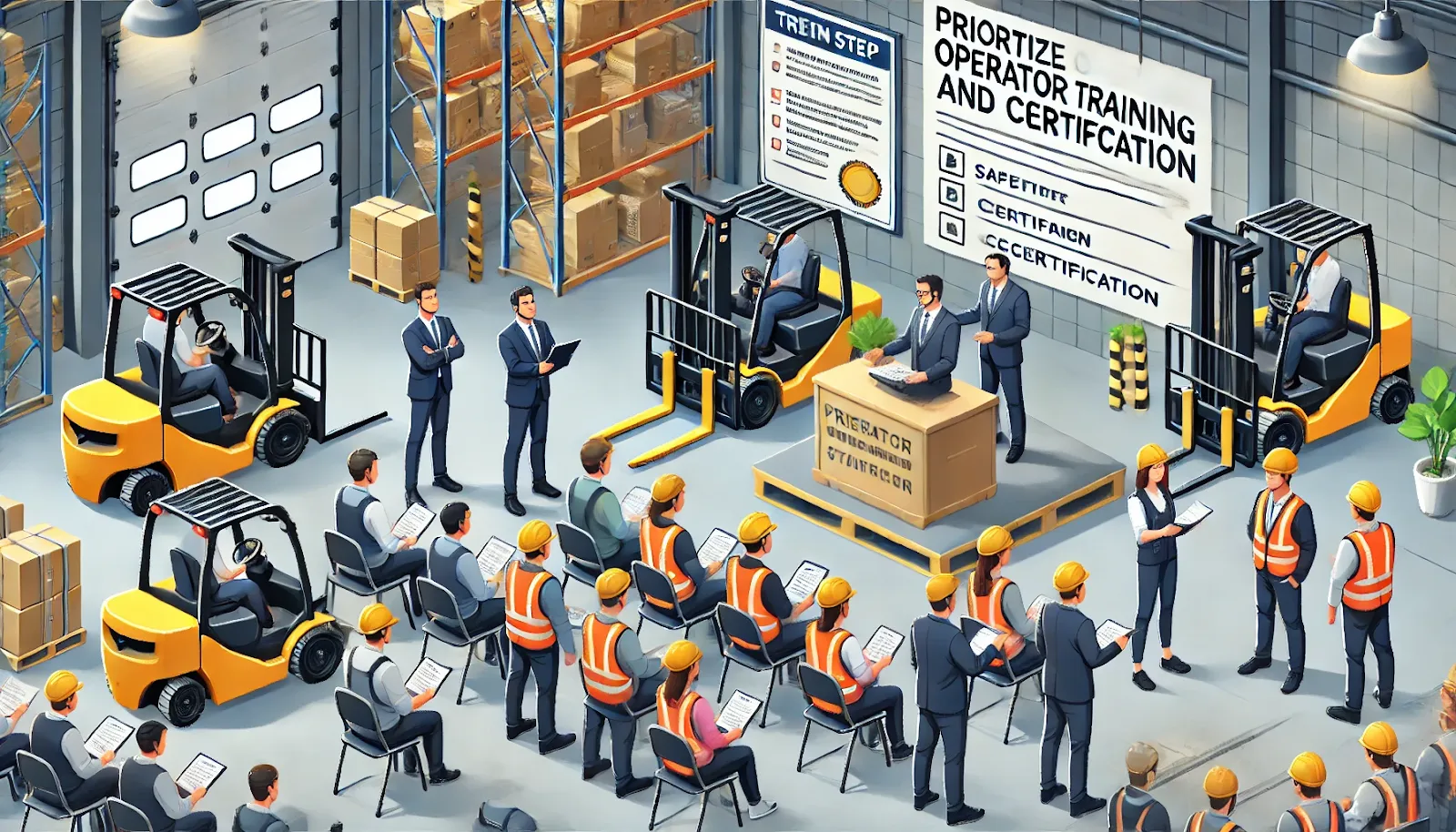
Why Training Is Essential:
Skill Development: Learn how to handle challenging terrains and heavy loads.
Regulatory Compliance: Meet OSHA and industry standards for safe forklift operation.
Emergency Preparedness: Be prepared to handle unexpected situations with confidence.
Benefits of Certification Through Get Drivers Ed:
Flexible online courses tailored to fit busy schedules.
Hands-on training that simulates real-world scenarios.
Comprehensive instruction to build both knowledge and practical skills.
Investing in proper training ensures operators can work safely and effectively, protecting themselves and their coworkers.
4. Safe Driving Practices for Rough Terrain Forklifts
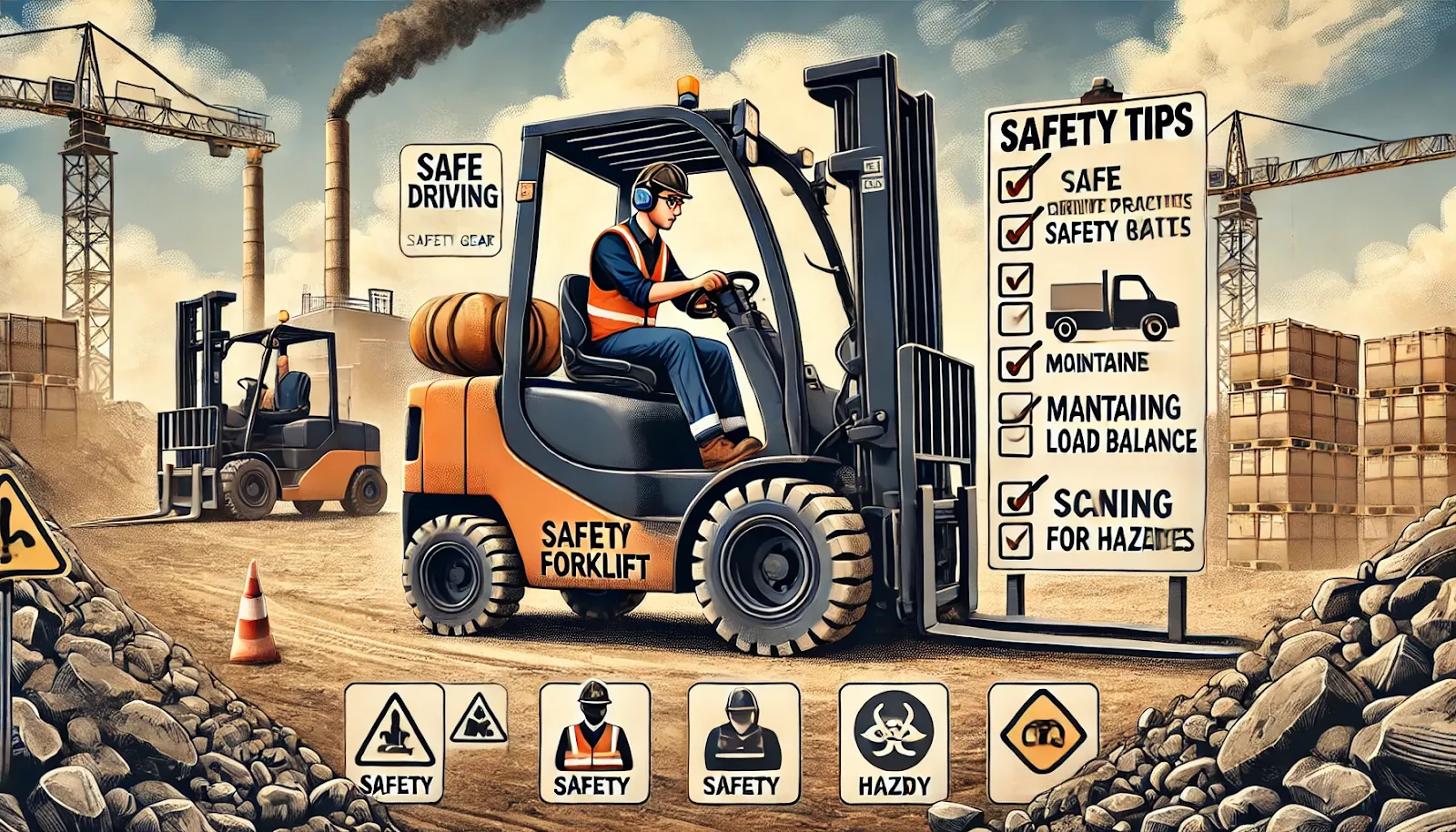
Operating a forklift on rough terrain requires extra caution and adherence to best practices.
Top Driving Tips:
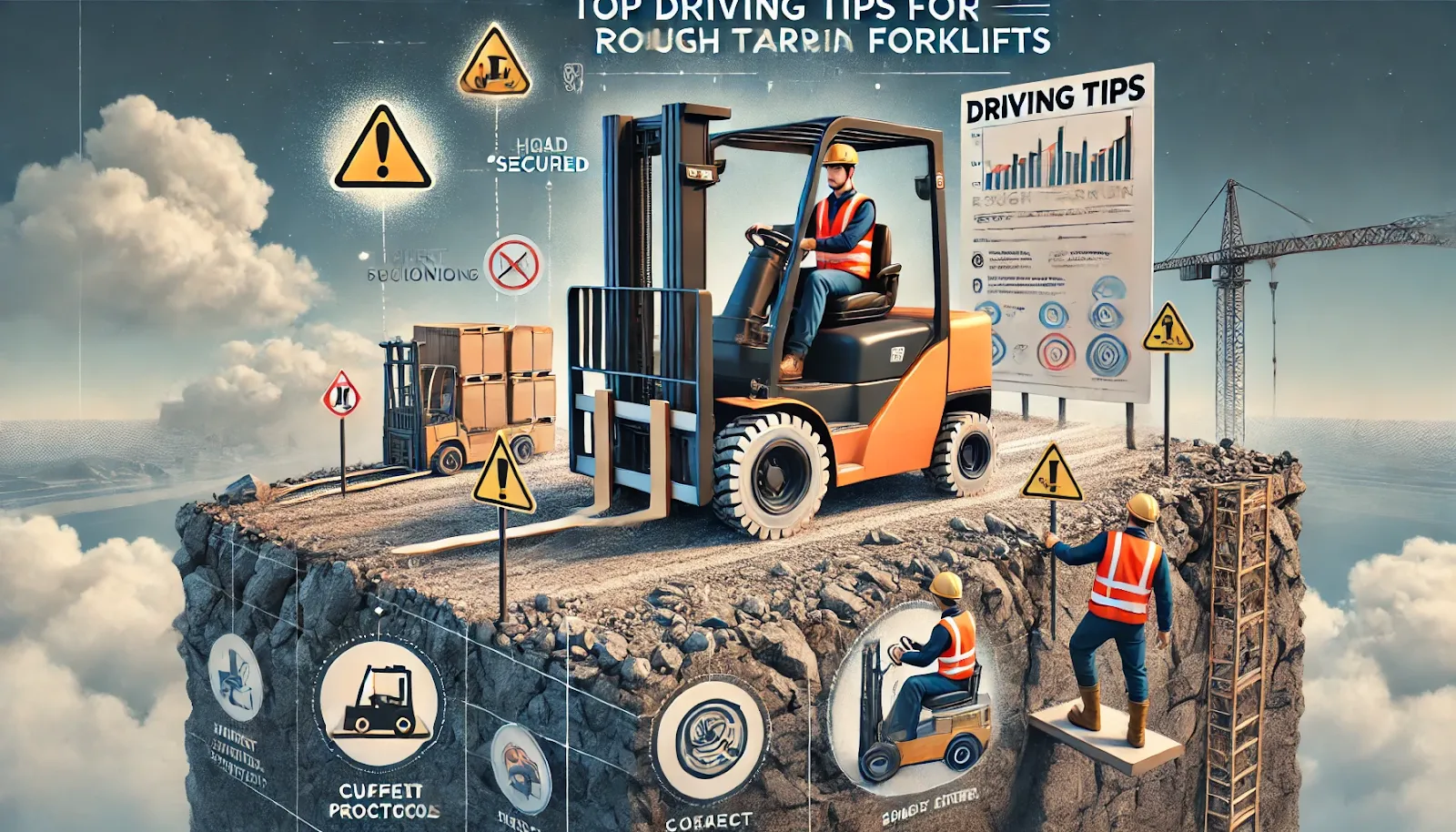
Adjust Speed for Conditions: Drive slowly on uneven surfaces and take extra care when navigating slopes or inclines.
Use the Seatbelt: Always wear your seatbelt to prevent being thrown from the cab in case of a tip-over.
Keep the Load Low: Maintain the load as low to the ground as possible for better stability.
Avoid Sudden Movements: Accelerate, brake, and steer smoothly to maintain control.
Stay Alert: Be aware of your surroundings, including pedestrians, other vehicles, and obstacles.
By implementing these practices, operators can significantly reduce the risk of accidents and injuries.
5. Load Handling and Stability
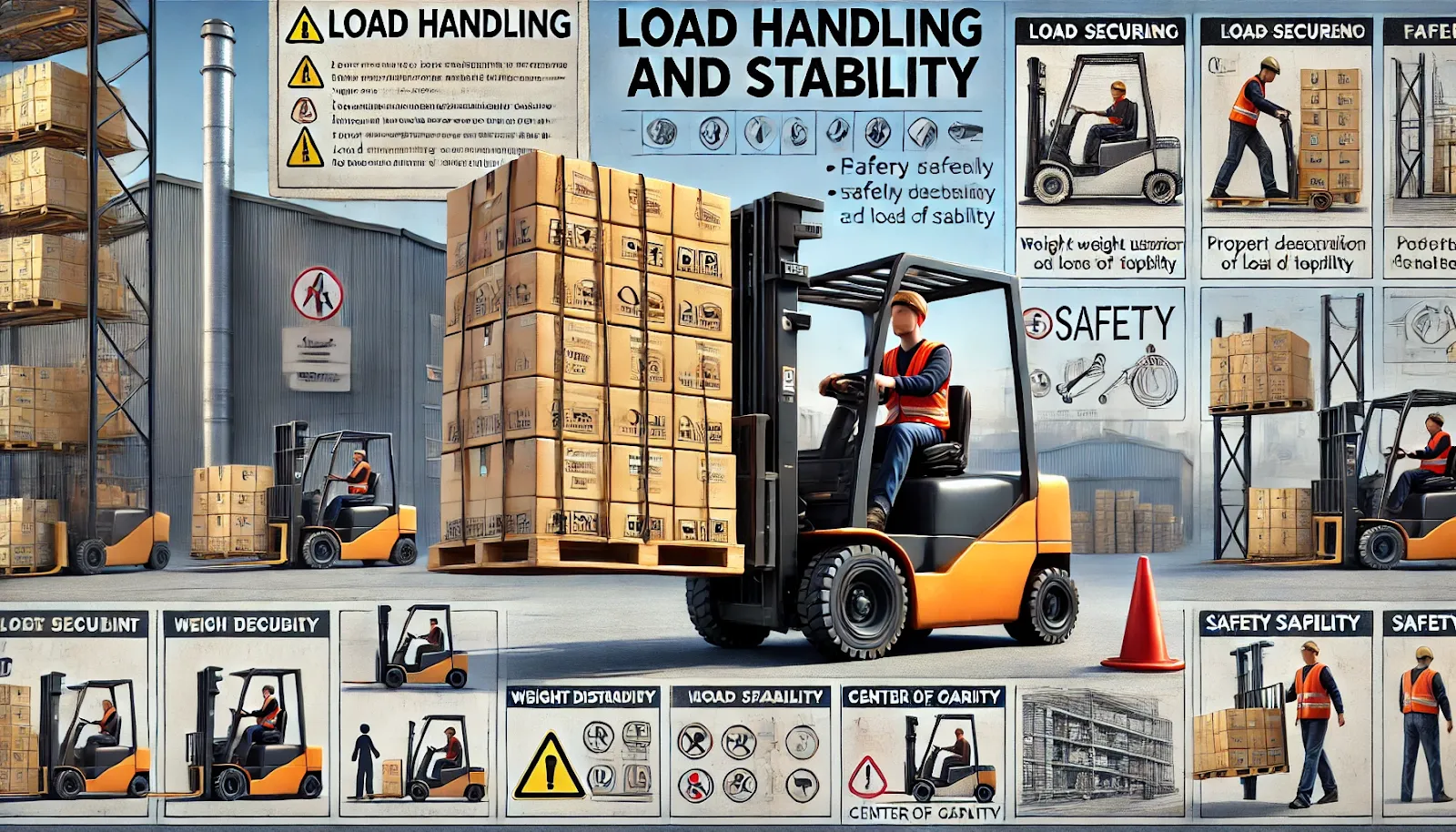
Proper load handling is critical for the safe operation of rough terrain forklifts.
Key Considerations:
Load Capacity: Never exceed the forklift’s maximum load capacity.
Even Distribution: Ensure the load is evenly distributed and securely fastened.
Visibility: Position the load to maintain a clear line of sight while driving.
Understanding Stability:
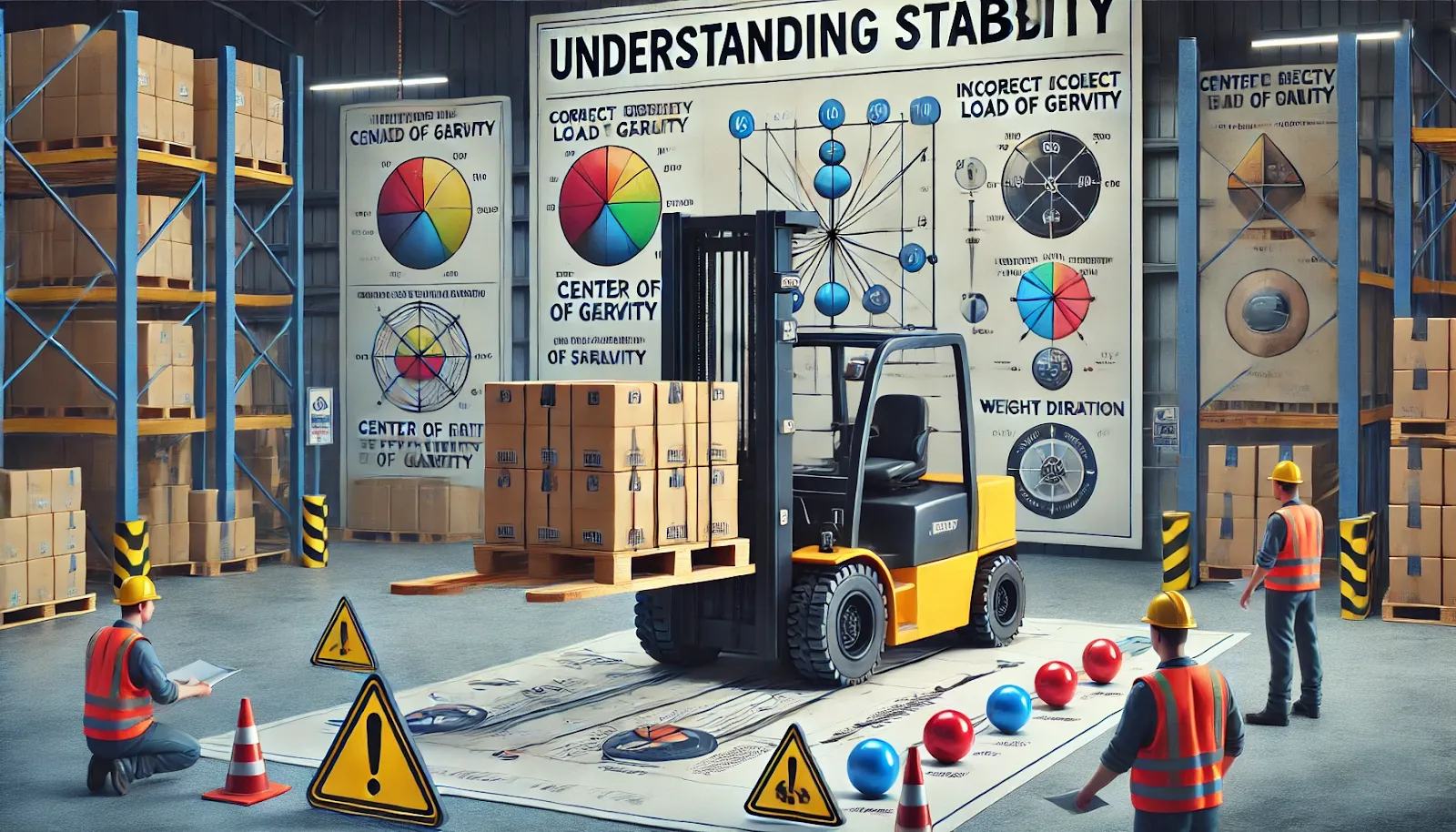
Center the load between the forks to prevent tipping.
Avoid turning the forklift while carrying a load, as this can destabilize the machine.
At Get Drivers Ed, we provide detailed instruction on load handling to help operators maintain stability and control.
6. Navigating Hazardous Terrain Safely
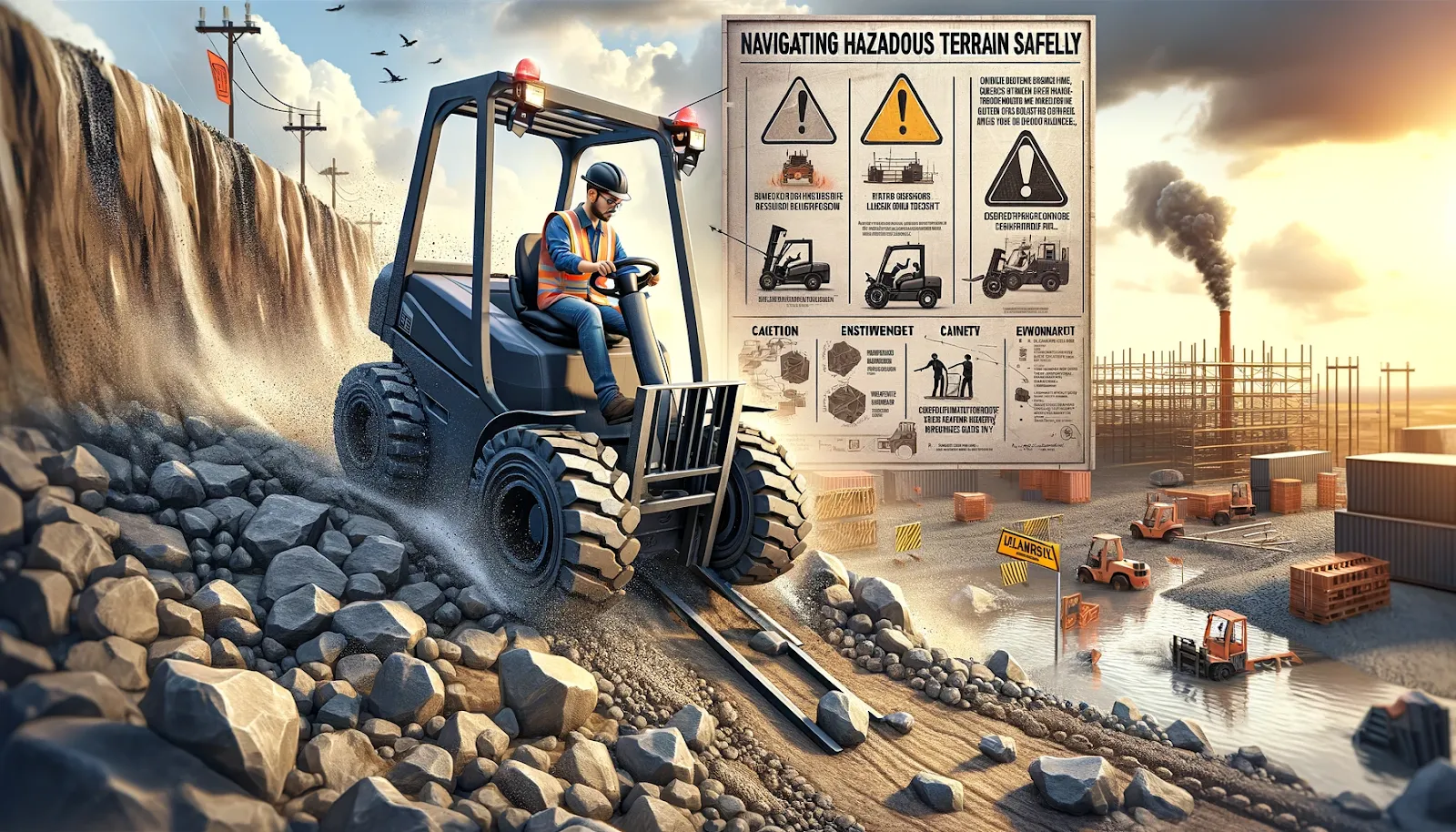
Common Terrain Challenges:
Uneven Surfaces: Holes, rocks, and debris can make navigation difficult.
Slopes: Driving on inclines requires careful attention to speed and load positioning.
Weather Conditions: Rain, snow, and mud can reduce traction and visibility.
Tips for Navigating Hazardous Terrain:
Always assess the terrain before starting work.
Use a spotter when visibility is limited or the terrain is particularly challenging.
Avoid driving too close to edges or drop-offs.
Preparedness and situational awareness are crucial for navigating rough terrain effectively.
7. Emergency Preparedness
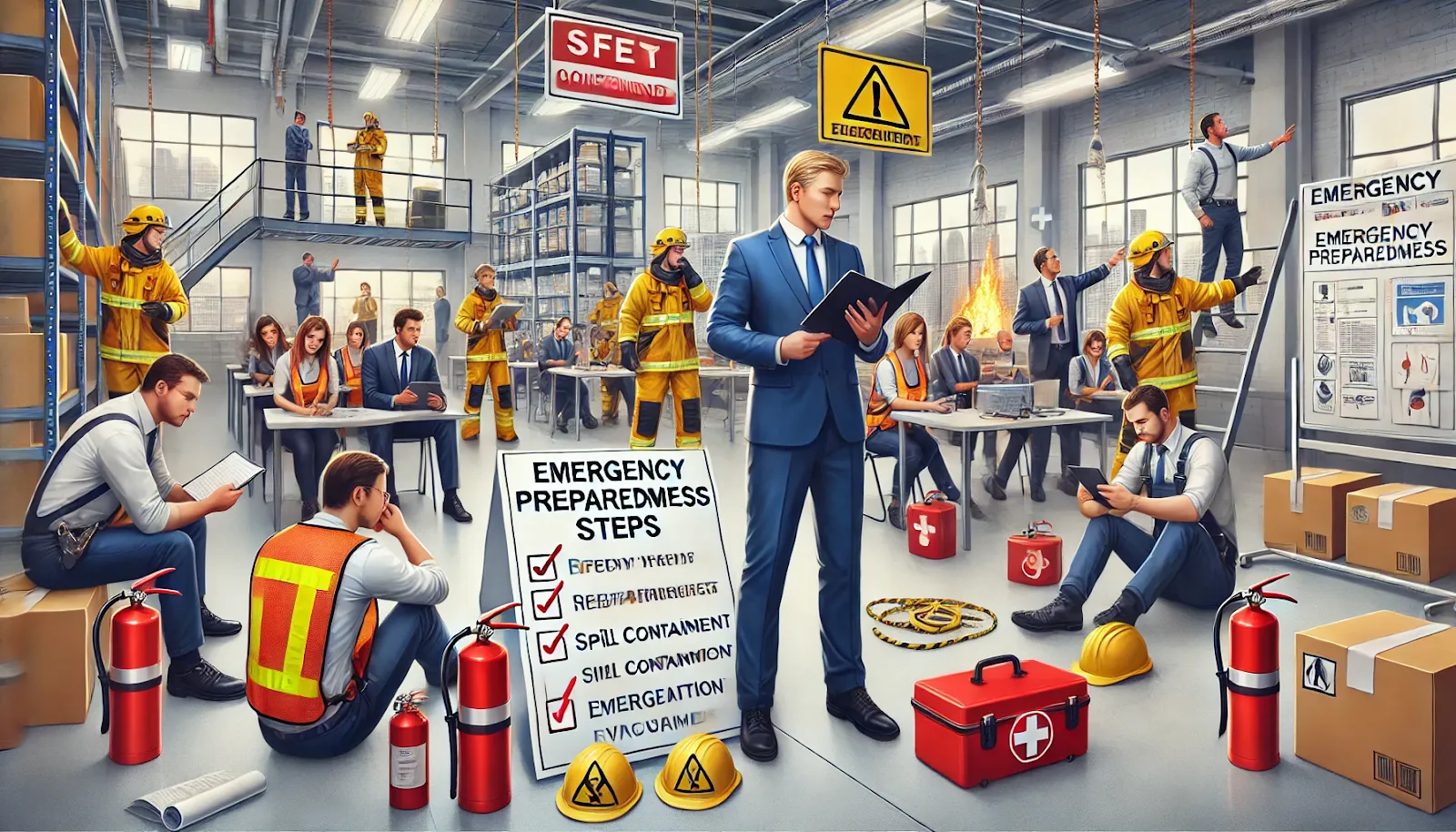
Despite the best precautions, emergencies can still happen.
What to Do in Case of an Emergency:
Tip-Over: Stay seated and lean away from the direction of the fall.
Mechanical Failure: Shut down the forklift and report the issue immediately.
Load Spills: Secure the area and follow proper cleanup protocols.
By knowing how to respond to emergencies, operators can minimize harm and ensure workplace safety.
Conclusion: Elevate Safety with Get Drivers Ed

Operating rough terrain forklifts requires a strong focus on safety, skill, and preparation. From conducting pre-operation inspections to mastering load handling and navigating hazardous terrain, these machines demand a commitment to best practices.
At Get Drivers Ed, we’re dedicated to providing top-quality training that equips operators with the knowledge and confidence to excel in their roles. Our certification courses are designed to ensure safety and efficiency, no matter how challenging the job site.
Comments
Share your thoughts by leaving a comment below.