Fight Distracted Driving with Get Drivers Ed Courses

TL;DR
Distracted driving is a major cause of road accidents across all age groups.
Teens, young adults, professionals, and parents are most at risk.
Distractions fall into three categories: visual, manual, and cognitive.
Get Drivers Ed offers targeted drivers ed training to build awareness and safe driving habits.
Prevention strategies include habit-building, simulator training, and phone restriction tools.
It only takes a few seconds of distraction to cause a life-changing accident. Whether it’s checking a text, reaching for a dropped item, or simply zoning out, distracted driving remains one of the leading causes of crashes nationwide.
At Get Drivers Ed, we’re committed to helping drivers of all ages understand the risks and adopt safer habits. In this blog, we’ll look at who’s most at risk, the different types of distractions, and what you can do—through education and practice—to drive with confidence and focus.
Distracted driving is a major cause of road accidents across all age groups.
Teens, young adults, professionals, and parents are most at risk.
Distractions fall into three categories: visual, manual, and cognitive.
Get Drivers Ed offers targeted drivers ed training to build awareness and safe driving habits.
Prevention strategies include habit-building, simulator training, and phone restriction tools.
Who’s Most at Risk of Distracted Driving?
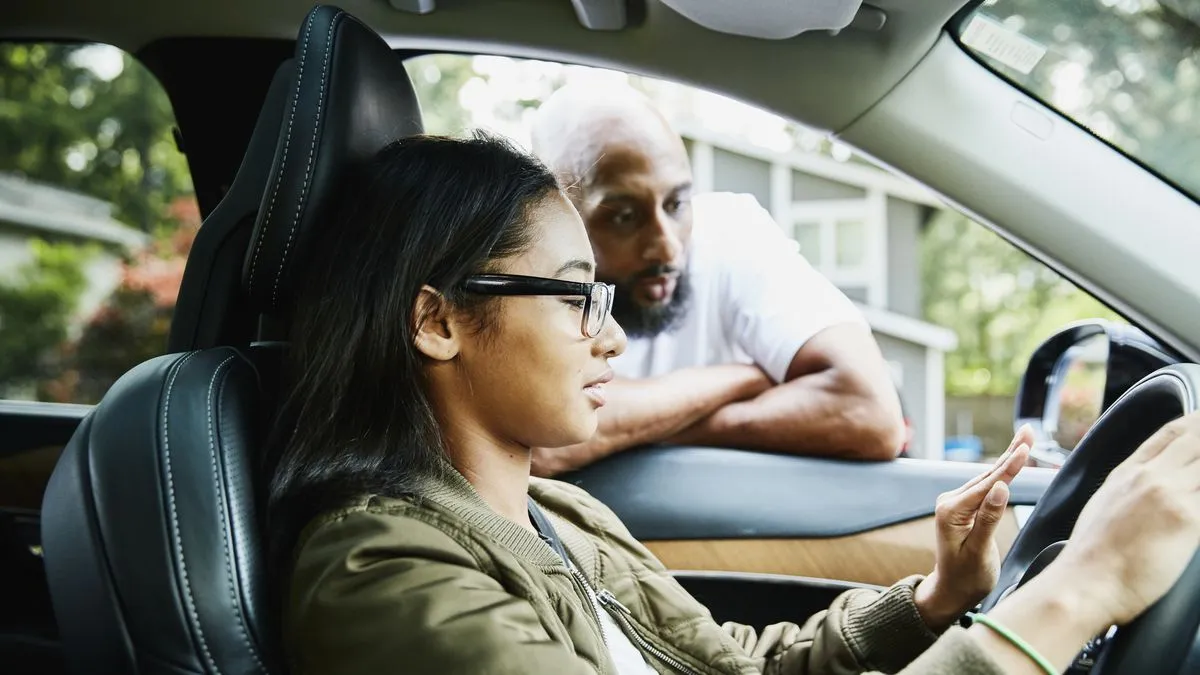
Teen Drivers
Teen drivers are statistically the most vulnerable. Due to inexperience and high smartphone usage, many teens struggle with attention behind the wheel.
Young Adults (Ages 20–29)
This age group tends to feel more confident in their abilities, which sometimes leads to overestimating multitasking skills. That confidence can be dangerous behind the wheel.
Business Professionals
With busy schedules, commuters and business travelers often use car time to check emails or take calls—leading to cognitive and manual distractions.
Parents
From turning around to check on the kids to handing out snacks mid-drive, parents face frequent interruptions. Even brief distractions can be dangerous when driving with children in the vehicle.

The Three Types of Driving Distractions
Visual Distractions
Looking away from the road for even two seconds—say, to check your phone—doubles your risk of an accident.
Manual Distractions
Any activity that takes your hands off the wheel, such as eating or adjusting the GPS, falls under this category.
Cognitive Distractions
Your mind doesn’t need to wander far for you to lose focus. Stress, conversations, or fatigue can all pull your attention away from the task of driving.
💡 Learn more from this [external source] on the psychology of distracted driving.
How Get Drivers Ed Tackles Distracted Driving

At Get Drivers Ed, we go beyond the basics. Our program helps drivers recognize distractions, build awareness, and create safer habits that stick.
Awareness-Based Training
Our drivers ed courses start with real-world data and stories to demonstrate the dangers of distracted driving. Seeing the statistics makes the risk feel real.
Practical Strategies
We teach methods that are easy to implement:
Use Do Not Disturb modes on smartphones
Set up climate and music settings before you leave
Secure bags and loose items before starting the car
Driving Simulators
Using driving simulators, students can safely experience how distractions impact reaction time. These controlled environments let you learn from mistakes without real-world consequences.
→ Highlight this as an internal link to your defensive driving course or any page that mentions simulator training.
Habit Formation
We help students form good pre-trip routines:
Planning routes
Eliminating multitasking
Creating quiet cabin environments
💡 Read more about building habits in this on safe driving behaviors from AAA or IIHS.
Prevention Tips from Get Drivers Ed

Leverage Technology
We encourage drivers to use apps that block incoming calls and texts while the vehicle is in motion. Many modern vehicles even come with built-in tools.
Educate Passengers
Passengers should never become a distraction. We teach students to set boundaries and communicate expectations with their fellow riders.
Take Breaks on Long Drives
Fatigue is another form of distraction. Our students learn to plan regular rest stops, especially on long trips, to stay alert and refreshed.
Real Student Success Stories
"Before enrolling in Get Drivers Ed, I didn’t realize how often I glanced at my phone—even at red lights. The simulator exercise showed me just how much I was risking. I’ve been focused ever since." — Javier, adult learner
Conclusion: Stop Distractions Before They Start
Distracted driving is entirely preventable. By identifying risky behaviors, learning real-world strategies, and getting support from a trusted education provider, you can dramatically improve your focus and safety on the road.
At Get Drivers Ed, our mission is to make every student a confident, distraction-free driver. Whether you’re just starting out or looking to correct old habits, we’ve got a program that meets your needs.
Ready to take control of your driving habits? Enroll today and make the road safer for everyone. Your future self—and everyone you share the road with—will thank you.
Comments
Share your thoughts by leaving a comment below.