
Steering Clear: 10 Tiny Driving Tweaks That Make a Big Safety Difference
TL;DR:
Adjust your mirrors correctly to reduce blind spots
Keep both hands on the wheel—preferably at 9 and 3
Use your signals every time, even in parking lots
Stay calm and composed around aggressive drivers
Get trained with a drivers ed course to build safe, smart habits
Small changes often make the biggest impact—especially behind the wheel. You don’t need to reinvent your driving style to be safer on the road. Sometimes, it’s the little things—how you hold the wheel, check your mirrors, or handle distractions—that can mean the difference between a close call and a crash.
At Get Drivers Ed, we’re all about practical, proven driving techniques that help you drive smarter—not harder. Let’s take a look at 10 tiny tweaks that deliver major safety benefits.
1. Adjust Your Mirrors Like a Pro
Maximize Your Field of Vision
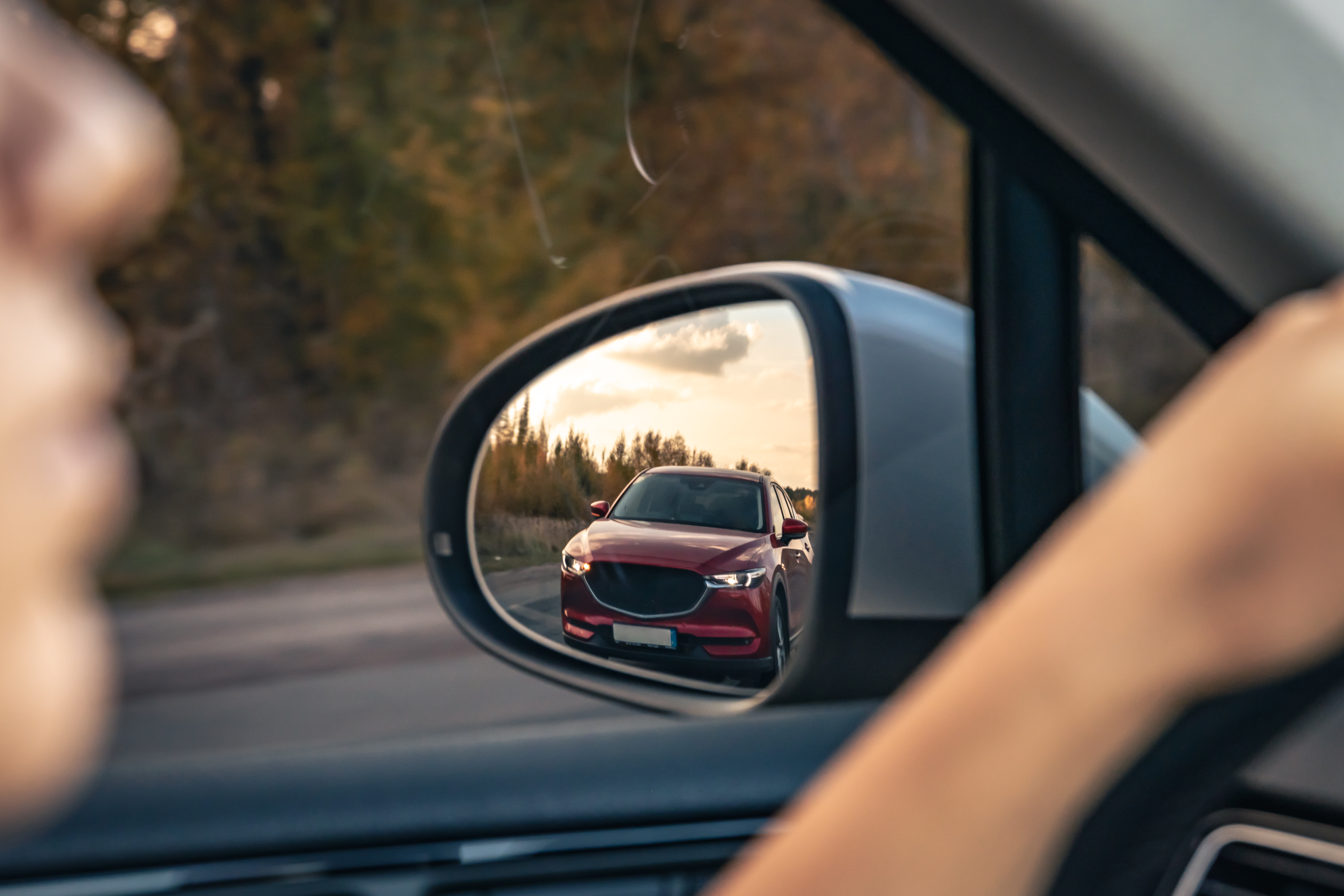
Most drivers set their side mirrors to show part of their car—but that actually increases your blind spots. Instead:
Tilt side mirrors out just far enough to barely lose sight of your vehicle’s edge
Use the rearview mirror to frame the entire back window
This guide from the NHTSA explains more on how to properly use your mirrors to minimize blind spots.
2. Keep Both Hands on the Wheel (9 and 3 Style)

Why 10 and 2 Is Outdated
The classic “10 and 2” position doesn’t work as well with modern airbag systems. Instead:
Position your hands at 9 and 3 for better control
Keep thumbs on the outside of the wheel to prevent injury in case of deployment
Learn more about hand positioning and steering control in our defensive driving course at Get Drivers Ed.
3. Don’t Skip Your Turn Signal—Ever

Even When You Think No One’s Watching
Signaling isn’t just about other drivers—it’s about maintaining good habits. Always use your blinker when:
Turning into parking spots
Merging into lanes
Exiting roundabouts
This external reminder from Hagood Injury Law Georgia covers the most overlooked signal scenarios.
4. Scan Ahead, Not Just Right in Front
Look 10-15 Seconds Down the Road
By scanning further ahead, you can:
Spot hazards early
Adjust your speed more smoothly
Avoid last-minute lane changes or braking
This technique is especially useful in night driving. For more advice, check out our blog on nighttime safety tips.
5. Stay Cool Around Aggressive Drivers

Don’t Engage—Just Protect Yourself
Road rage is real. If someone tailgates or honks excessively:
Stay in your lane
Avoid eye contact
Let them pass safely
Our article on dealing with aggressive drivers offers techniques to stay composed and in control.
Looking for even more strategies? The AAA Foundation provides eye-opening stats and tips for avoiding confrontation on the road.
6. Set Your Phone to Do Not Disturb

Out of Sight, Out of Mind
One glance at a text can lead to disaster. Set your phone to silent or “Do Not Disturb While Driving” before turning the key. Apps like Apple's Driving Focus and Android’s “Driving Mode” can help.
7. Know When to Use—and Not Use—Your High Beams

Avoid Blinding Other Drivers
High beams are useful in rural areas with no street lights, but be sure to dim them:
Within 500 feet of oncoming cars
When following another vehicle closely
8. Don’t Drive Drowsy or Buzzed—Ever
Even One Drink or a Sleepy Mind Can Impair You
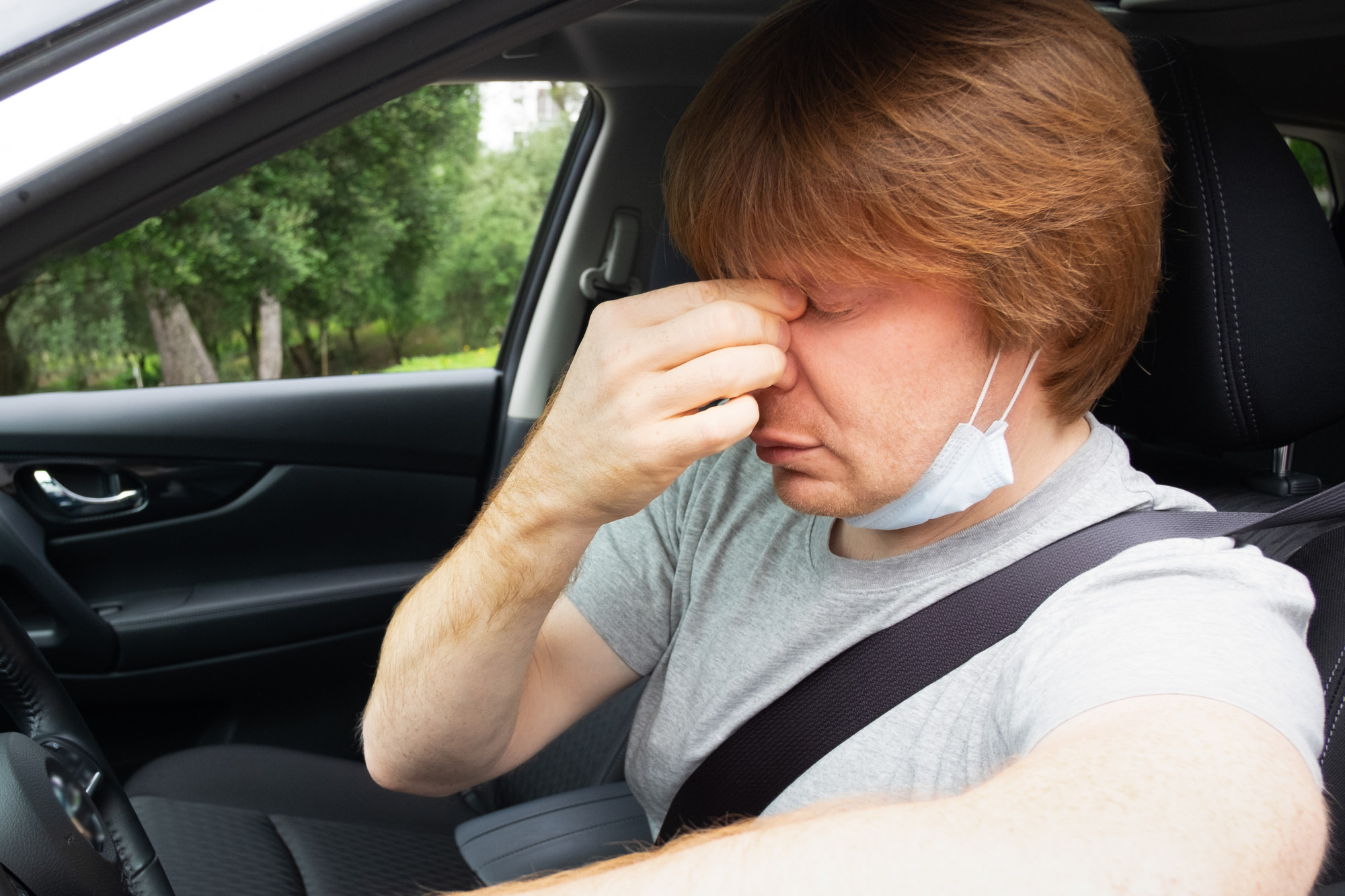
Driving under the influence includes alcohol, drugs, and even fatigue. If you’re tired or unsure about your sobriety, don’t risk it. Learn the dangers in our blog on DUI consequences.
The CDC also shares facts and prevention tips around impaired driving.
9. Give Yourself a Buffer—The 3-Second Rule

Safe Following Distance Reduces Rear-End Collisions
Pick a stationary object like a sign or tree. After the car ahead passes it, count “one-one-thousand, two-one-thousand…” You should pass the object no sooner than 3 seconds later.
Double that in bad weather or low visibility.
10. Take a Refresher Course—No Matter Your Age

Even Experienced Drivers Develop Bad Habits
Enrolling in a drivers ed refresher course or defensive driving class keeps your skills sharp and your awareness high.
Whether you’re a teen, adult, or senior, Get Drivers Ed has tools to help you stay safe, confident, and compliant with changing road laws.
Final Thoughts: Tiny Tweaks, Big Impact
Being a safer driver doesn’t require an overhaul—just a commitment to small, smart adjustments. From how you grip the wheel to how you handle stress on the road, these tiny tweaks lead to smoother, more confident driving.
And if you’re ready to level up your safety game, take the next step with a comprehensive drivers ed course at Get Drivers Ed. You’ll not only improve your driving habits but also gain lifelong skills that protect you and everyone else on the road.
Comments
Share your thoughts by leaving a comment below.