Mastering Parallel Parking: Easy Tips for Stress-Free Street Parking

TL;DR
Choose a parking space that’s at least 1.5x the length of your car
Align your vehicle properly before reversing
Turn the wheel early and adjust your mirrors
Pull forward after parking to straighten out
Get Drivers Ed offers clear instruction and practice for parallel parking
Street parking can feel intimidating, especially when it comes to parallel parking. Tight spaces, impatient drivers behind you, and that looming curb can make it stressful—even for experienced drivers. But don’t worry! With a few tried-and-true tips (plus some practice), you can master parallel parking like a pro.
At Get Drivers Ed, we help drivers of all experience levels feel confident on the road—including when parking in tricky spots. Whether you’re learning to drive for the first time or brushing up on your skills, these parallel parking tips will make street parking a breeze.
Step 1: Find the Right Spot
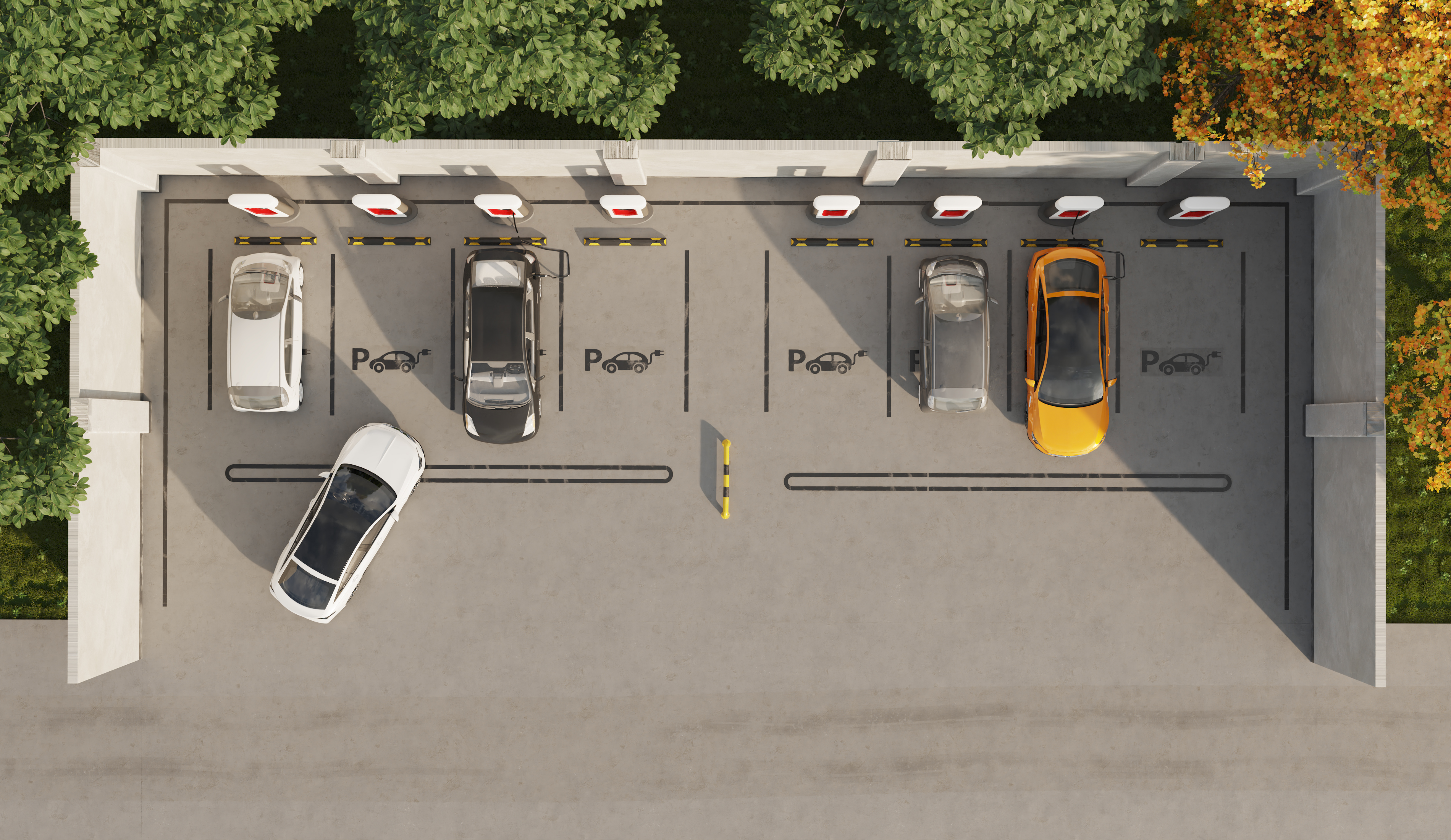
Not every parking space is created equal. One of the most common mistakes new drivers make is trying to squeeze into a space that's simply too small. A good rule of thumb? Look for a spot that’s at least 1.5 times the length of your car.
To check if the space is big enough:
Pull up alongside the vehicle in front of the space
Check your rearview mirror—if you can see the hood of the car behind the space, you likely have enough room
This first step is essential and is covered in detail in our online driver’s ed courses, where we teach drivers how to evaluate spaces and avoid stressful situations.
Step 2: Line It Up Right
Before you even start turning the wheel, it’s important to line up your vehicle properly.
How to position your car:
Pull up until your side mirrors are aligned with the side mirrors of the vehicle in front of the space
Leave about 2 feet of space between your car and the parked vehicle
Make sure your car is completely parallel to the other car
If you're nervous about the alignment, you can adjust your driver training to include hands-on parking practice or use visual reference points like the lines on the road or your mirrors.
Step 3: Start Turning (Sooner Than You Think)
Many new drivers hesitate when it comes time to turn the wheel—but timing is everything in parallel parking.
Here’s a simple method:
As soon as you're lined up, turn your wheel all the way to the right
Begin reversing slowly
Once you see the entire front bumper of the car behind you in your left mirror, straighten the wheel
To avoid scraping your tires or hitting the curb, adjust your right-side mirror downward slightly before backing up. This gives you a clear view of how close your tires are to the curb. It’s a popular trick used in defensive driving techniques.
Step 4: Straighten and Adjust
Once your car is mostly in the space:
Straighten your wheels
Slowly back in until you’re parallel with the curb
This is where many drivers stop—but you’re not quite done yet.
Step 5: Pull Forward and Center Yourself
After backing into the spot:
Gently pull forward to center your car in the space
Make sure you leave enough room in front and behind for other vehicles to exit easily
Ensure your vehicle is straight and about 6–18 inches from the curb
This final adjustment is not just courteous—it’s often legally required in urban areas. For more parking laws and etiquette, check your state driver’s handbook or visit your local DMV website.
Common Parallel Parking Mistakes (and How to Avoid Them)
Rushing the Process
Take your time. Rushing leads to poor alignment, multiple attempts, and possible damage to your car or someone else’s.
Not Practicing Enough
Parallel parking takes repetition. In our Get Drivers Ed courses, we emphasize practice scenarios so students feel confident before their driving test or real-world situations.
Not Using Mirrors Properly
Your mirrors are your best friends while parking. Don’t hesitate to adjust them before starting.
Forgetting to Signal
Always use your turn signal before parking. It alerts other drivers of your intention and prevents confusion or accidents.
Learn Parallel Parking the Easy Way with Get Drivers Ed
We know how frustrating it can be to feel unsure behind the wheel—especially when attempting something like parallel parking in traffic. That’s why Get Drivers Ed includes modules focused on parking techniques, urban driving, and traffic law awareness in every driver education course.
Our expert-designed lessons include:
Video demonstrations of parallel parking in real scenarios
Step-by-step breakdowns of complex driving maneuvers
Practice tips you can use immediately
Whether you’re studying for your driving test or refreshing your skills, we make learning accessible, engaging, and effective.
Conclusion: Park Like a Pro with Get Drivers Ed
Parallel parking doesn’t have to be a nerve-wracking experience. With the right preparation, alignment, and timing, you can master this essential skill and handle any street parking scenario confidently.
Here’s a quick recap:
✔ Find a space at least 1.5x the length of your car
✔ Line up your mirrors and stay parallel
✔ Turn the wheel early, and adjust your mirrors for curb awareness
✔ Straighten your vehicle and center it between cars
✔ Signal, stay calm, and practice regularly
Ready to upgrade your parking skills and become a more confident driver? Enroll in a course with Get Drivers Ed today, and gain access to expert parking tutorials, interactive lessons, and practical guidance for every part of your driving journey.
Comments
Share your thoughts by leaving a comment below.