How to Communicate Effectively with Other Drivers

TL;DR:
Always use your indicators when turning or merging
Rely on hand signals if indicators fail
Use your horn sparingly and appropriately
Make eye contact at intersections or with pedestrians
Use headlights and high beams responsibly
Turn on hazard lights during breakdowns
Practice courteous behaviors to reduce road rage
Enroll in a quality drivers ed program to sharpen communication skills
Clear communication isn’t just for conversations—it’s a vital part of safe driving. At Get Drivers Ed, we understand that effective communication behind the wheel can prevent collisions, reduce frustration, and create a safer environment for everyone. Whether you're learning the ropes or refreshing your skills, this guide breaks down key communication strategies that every driver should practice.
Why Communication Matters on the Road
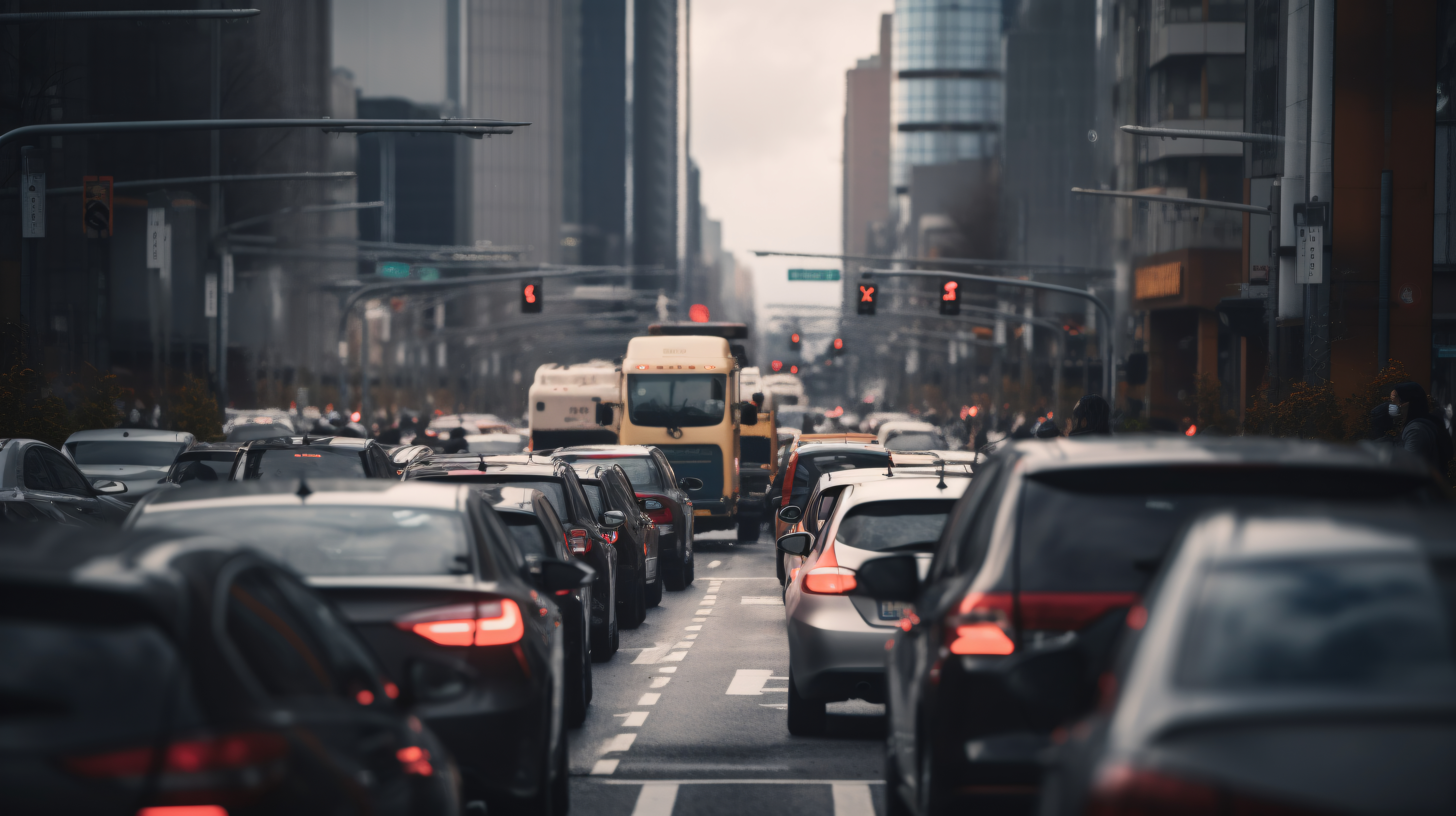
Driving involves constant interaction with other vehicles, pedestrians, cyclists, and even law enforcement. Yet unlike face-to-face communication, drivers rely on signals, lights, and body language to “speak” to others. That’s why drivers ed programs, like those offered by Get Drivers Ed, focus on improving both verbal and non-verbal communication techniques.
Benefits of Clear Communication:
Prevents misunderstandings and collisions
Promotes smoother traffic flow
Helps avoid road rage and aggressive driving
Key Ways to Communicate with Other Drivers
Using Turn Signals Properly
Your turn signal is your voice on the road. Always use it when:
Turning left or right
Changing lanes on multi-lane roads
Merging onto highways or into traffic
It's not just common courtesy—it’s also legally required. In our online driving courses, Get Drivers Ed teaches drivers to use signals proactively, not reactively.
Hand Signals as a Backup

While rare in modern driving, hand signals remain useful when:
You’re on a bicycle or motorcycle
Visibility is poor and you want to reinforce your actions
Common Hand Signals:
Left Turn: Arm straight out
Right Turn: Arm bent upward
Stop or Slow Down: Arm bent downward
These are covered in detail in our drivers ed modules and help reinforce safe practices.
Responsible Horn Use
The horn should never be used out of anger. Instead, use it to:
Alert others of your presence
Prevent accidents (e.g., someone drifting into your lane)
Warn pedestrians or cyclists
Overusing the horn can escalate tensions. In our curriculum at Get Drivers Ed, we guide students on appropriate horn usage for different scenarios.
Making Eye Contact
Non-verbal communication matters too. Eye contact with other drivers or pedestrians:
Confirms mutual awareness
Helps during 4-way stops or pedestrian crossings
Prevents miscommunication
Making eye contact enhances safety, especially in confusing intersections or dense traffic conditions.
Headlight & High Beam Communication
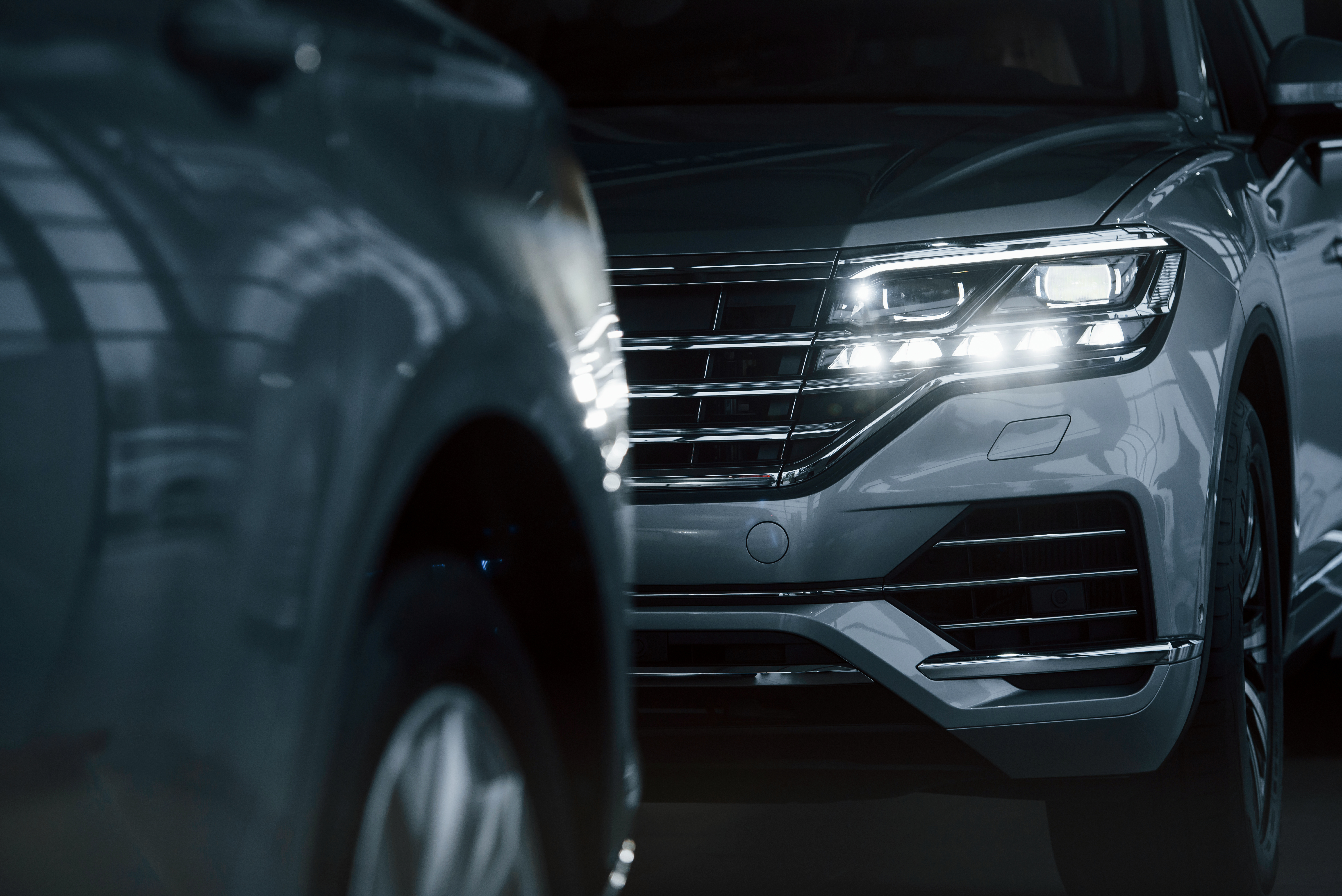
Headlights aren't just for visibility—they also send messages.
Flashing headlights can signal a yield or warn of hazards
Use low beams during fog or rain
Avoid using high beams in traffic—they can blind others
Get Drivers Ed emphasizes headlight etiquette in our training, particularly for night and bad-weather driving.
Emergency Signals for Unexpected Situations
Use hazard lights when:
Your car breaks down on the road
You’re pulling over unexpectedly
Driving slowly due to a mechanical issue
Enhance visibility with warning triangles or flares when appropriate. These are key lessons in our defensive driving course.
Practicing Courtesy Behind the Wheel
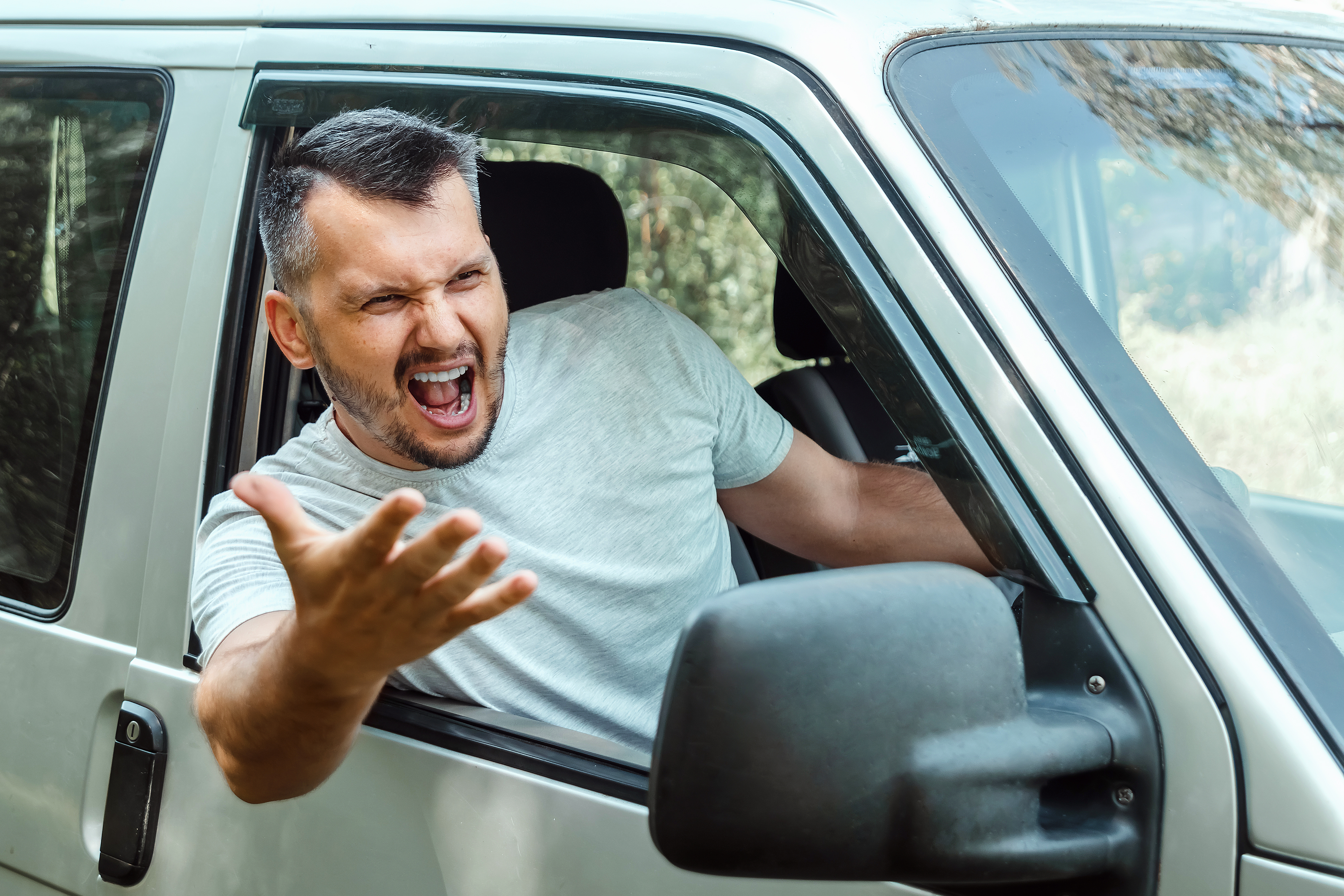
Simple acts of kindness while driving go a long way. Courteous behavior:
Reduces the risk of road rage
Encourages safer driving habits
Fosters a positive driving culture
Ways to Show Courtesy:
Letting someone merge in heavy traffic
Giving extra space to cyclists or new drivers
Avoiding tailgating or cutting people off
Our drivers ed programs emphasize patience and empathy as cornerstones of good driving.
Why Choose Get Drivers Ed
At Get Drivers Ed, we take a holistic approach to traffic safety. Our online drivers ed courses not only teach road rules and vehicle handling but also the human aspect of driving—like how to communicate clearly and respectfully with others.
You’ll learn how to:
Identify and use proper signals and gestures
Maintain emotional control during tense driving moments
Develop habits that promote defensive driving and collision avoidance
Final Thoughts: Drive with Clarity and Confidence
Communication on the road isn’t optional—it’s essential. From using your indicators to making eye contact and practicing patience, the small choices you make behind the wheel can lead to big safety outcomes.
Ready to sharpen your communication skills and become a safer driver? Enroll in our online drivers ed course today and start building the confidence you need to drive responsibly.
Comments
Share your thoughts by leaving a comment below.