Blinkers, Brakes & Bad Habits: Are You Driving Smart or Lucky?
TL;DR:
Bad driving habits are often overlooked but dangerous
Consistent use of blinkers and proper braking is essential
Defensive driving builds skills—not just reliance on chance
Training with drivers ed courses helps replace luck with knowledge
Break the cycle of “close calls” by learning intentional, smart driving habits
Have you ever changed lanes without signaling, barely stopped at a red light, or gotten away with distracted driving because “nothing happened”? If so, you might be leaning more on luck than skill behind the wheel. While you might not have faced immediate consequences, those close calls add up—and they’re a sign that change is needed.
At Get Drivers Ed, we’re here to help you shift from risky reflexes to responsible reactions. In this blog, we’ll explore how tiny decisions around your blinkers, brakes, and habits can be the difference between driving smart… and simply being lucky.
The Blinkers: Are You Really Using Them?

Skipping Signals Is a Safety Hazard
Turn signals aren’t just for formal driving tests—they’re your communication tool with everyone else on the road. Failing to use them doesn’t just break the law—it breaks trust.
Real-World Consequences of Skipped Signals:
Side-swipes from unexpected lane changes
Rear-end collisions at intersections
Confusion in roundabouts and parking lots
According to Pope McGlamry, neglecting to use turn signals causes more than 2 million accidents per year in the U.S.—a shocking number for such a simple action.
At Get Drivers Ed, we constantly stress the importance of consistency. Using your signal—even in empty parking lots—builds instinctive, responsible habits. If you're working on driving confidence overall, our blog on confidence-boosting driving hacks is a great companion read.
The Brakes: Are You Rolling Through or Stopping Properly?
Rolling Stops: The Everyday Offense That Adds Up
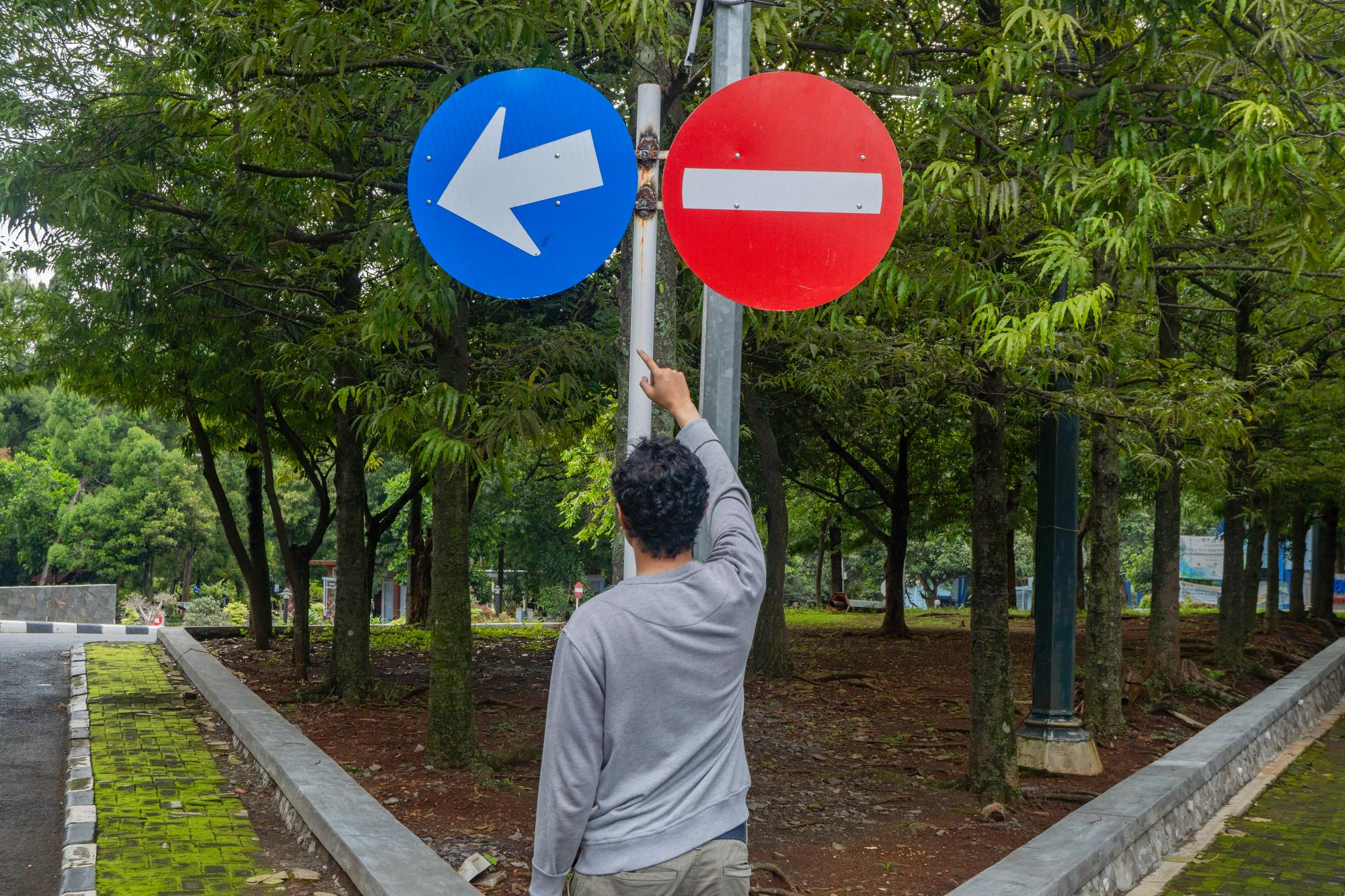
So many drivers develop the bad habit of rolling through stop signs or slowing just enough to look “legal.” But this kind of half-measure increases your risk every single time.
Smart Braking Habits Include:
Coming to a complete stop for three full seconds
Checking left, right, and ahead before moving again
Slowing early, not suddenly
“California rolls” may sound cute, but they’re one of the most common traffic violations—especially in residential areas. The Nolo Legal Encyclopedia states that incomplete stops often result in traffic citations or worse—unexpected crashes.
Braking the Right Way:
Fully stop for at least 3 seconds
Double-check both sides of the intersection
Pause before the crosswalk, not in it
Not only do these habits keep you safe—they also reduce wear on your vehicle’s braking system. Need to brush up on other critical techniques? Our defensive driving course covers hazard anticipation, spacing, and emergency response.
Bad Habits Behind the Wheel: Are They Creeping In?
You’re Not Alone—But That Doesn’t Make It Safe
Bad habits develop over time. From tailgating and speeding to driving distracted, these behaviors often feel normal until they lead to a near miss—or worse.
Examples of Dangerous Habits:
Speeding “just a little” over the limit
Using your phone at red lights
Ignoring yellow lights and rushing through
According to the National Highway Traffic Safety Administration (NHTSA), distracted driving caused 3,522 fatalities in 2021 alone. What’s worse is that many of these drivers had never had a previous accident—just bad luck that finally ran out.
We’ve also written about tiny driving tweaks that make a big safety difference—a perfect starting point if you want to correct small but risky habits.
Defensive Driving vs. “I’ve Never Had an Accident”
Luck Doesn’t Equal Skill
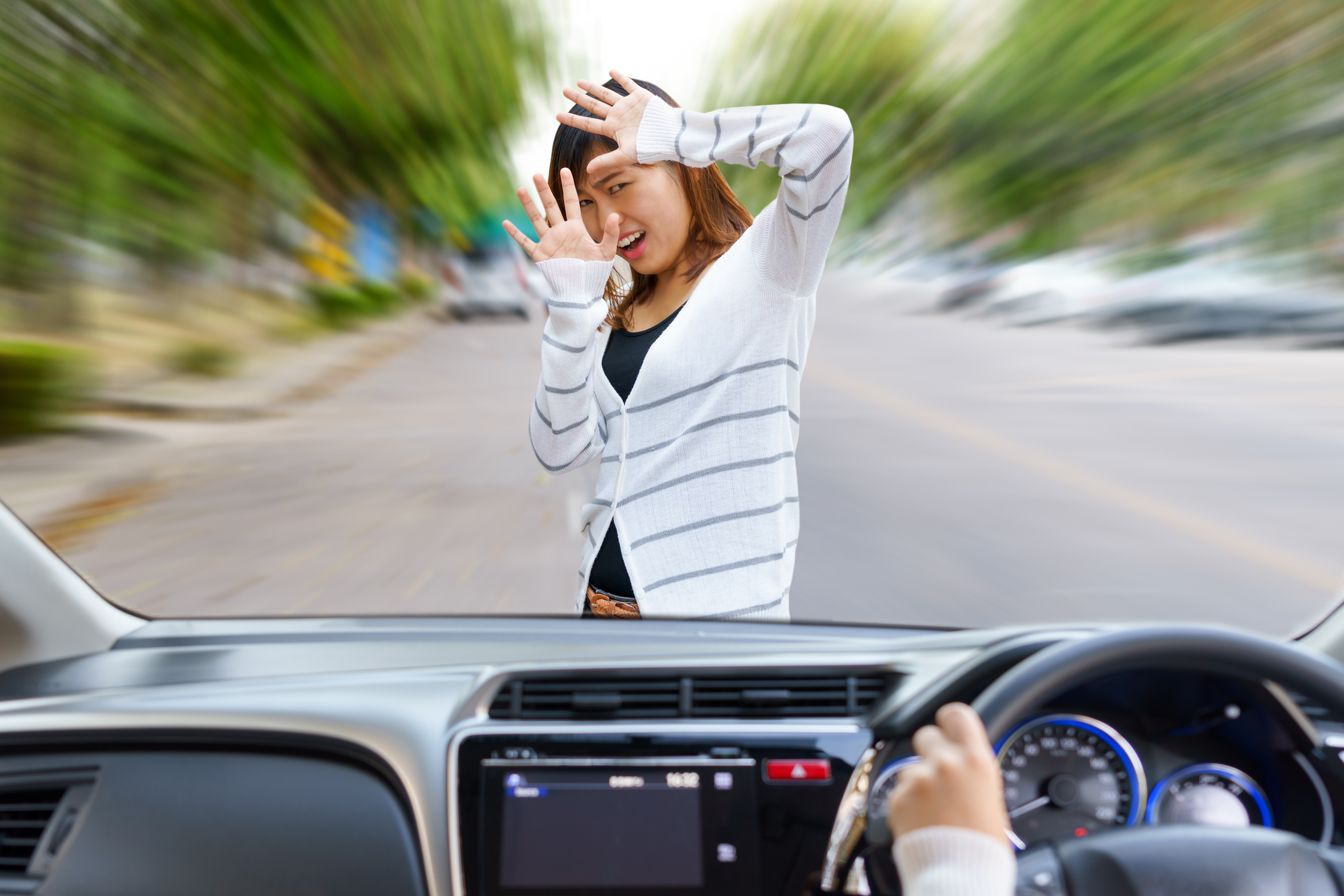
Just because you’ve avoided accidents doesn’t mean you’re driving safely. Many people use their lack of crashes as proof they don’t need improvement—but they may just be relying on chance.
Defensive Driving Is Proactive, Not Reactive
Learning how to anticipate other drivers’ moves, adjust to weather, and respond under pressure is what separates smart drivers from lucky ones.
That’s why Get Drivers Ed includes these techniques in our online drivers ed course. We want every student—teen or adult—to develop proactive strategies, not just reactive instincts.
If you often drive at night or in low-visibility situations, you’ll also benefit from our night driving safety blog, which outlines critical vision, headlight, and speed control tips.
Skill Over Serendipity
While luck may have kept you safe so far, defensive driving will keep you safe long-term. From anticipating driver behavior to adjusting for weather, proactive drivers avoid incidents altogether.
The Nationwide Insurance explains that defensive driving significantly reduces your chances of being involved in a crash—especially in high-risk zones like intersections or highways.
Are You Driving Smart or Just Avoiding Consequences?

Reflection Questions:
Do you consistently use your turn signals—even in low-traffic areas?
Are you coming to complete stops, or rolling through?
Are you mentally present, or multitasking behind the wheel?
When was the last time you took a drivers ed or refresher course?
If your answers reveal some gaps, don’t worry—awareness is the first step to improvement.
And here’s another smart step: review this AAA article on dangerous driving myths to bust common misunderstandings that could be affecting your habits.
At Get Drivers Ed, our mission is to help people recognize these patterns early and fix them before they lead to real consequences. Whether you’re just starting or have years of experience, our training empowers drivers to lead with awareness and intention.
Final Thoughts: Replace Luck with Skill
You don’t need to be perfect—you just need to be intentional. Using your blinker, braking fully, staying alert, and keeping up with training are small decisions that add up to a lifetime of safety.
So, are you driving smart—or just getting by?
Upgrade your skills today with Get Drivers Ed’s online drivers ed or defensive driving course. We’re here to help you replace risky reflexes with smart habits and make your road a safer one.
Comments
Share your thoughts by leaving a comment below.